


Chiefs coach speaks on Billiat
JOHANNESBURG – Kaizer Chiefs coach Ernst Middendorp says reports of Zimbabwean striker, Khama Billiat, making a possible return to Mamelodi Sundowns should be addressed to Amakhosi’s management. Reports have been…

admin
- businessweekly
- August 9, 2019
- 87 views
Zahra boosts GetBucks shareholding
GetBucks Zimbabwe’s majority shareholder, Zahra Investment Trust (ZIT), has further increased its shareholding in the listed micro-financier.

‘Sport unifies people’
Sikhumbuzo Moyo, Senior Sports Reporter VUNGU MP and former Zifa vice-president, Omega Sibanda, has called for an upward review of the Ministry of Youth, Sport, Arts and Recreation budget allocation to…
- businessweekly
- August 9, 2019
- 188 views
Stock Market Weekly Review
The Zimbabwe Stock Exchange (ZSE) extended its sell off during the week as demand continued to wane across the bourse.
- businessweekly
- August 9, 2019
- 86 views
‘Turn land into functional asset’
Turning the asset of land into a functional asset through title, through concession farming and other innovative instruments around agriculture land will help the country sustain a positive trade balance, industrialist and former Confederation of Zimbabwe Industry’s president Busisa Moyo has said.
- businessweekly
- August 9, 2019
- 75 views
SA: What an IMF bail-out will look like
A year ago, I wrote an article about what an IMF bail-out would look like. At the time I was a lone voice as the scenario seemed unlikely. In the…

- businessweekly
- August 9, 2019
- 77 views
Seoul to launch first blockchain-based administrative services
The Seoul Metropolitan Government will establish its first blockchain-based administrative services in November, according to a report in the Korean-language blockinpress. At a conference held last month and attended by…
- businessweekly
- August 9, 2019
- 56 views
‘ETFs pose no threat to financial stability’
LONDON. — The rapidly growing exchange-traded-funds sector does not pose a threat to financial stability as the market has coped well so far with liquidity crunches, research from Britain’s Financial Conduct Authority said last Thursday.
- businessweekly
- August 9, 2019
- 61 views
Tourism can help Africa tackle job crisis
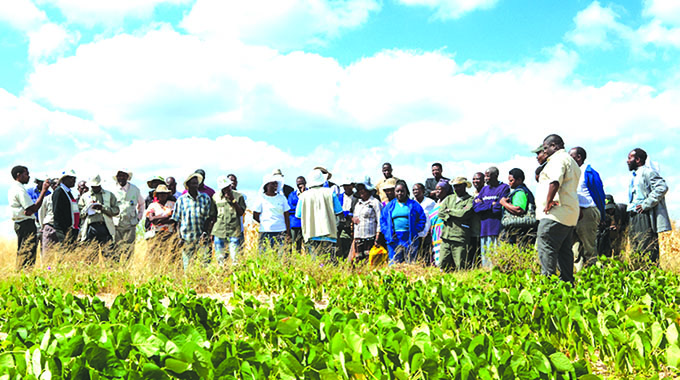
Africa, and the developing world in general, is seized with finding sustainable solutions to the current challenges facing young people and the labour market of the future. The possibility of a digital economy, while real, presents a host of uncertainties that must necessarily be grappled with.
- businessweekly
- August 9, 2019
- 82 views
Generating sustainable economic growth
Generating rapid sustained economic growth in Zimbabwe remains one of the most pressing challenges to development. Zimbabwe has averaged an annual nominal growth rate of 5,66 percent in the last 10 years to 2018. The variability of these annual growth rates over the intervening period (lowest 0,6 percent in 2016 and 11,9 percent in 2011) would indicate susceptibility to external shocks and the rather tenuous foundations upon which much of this growth has been achieved. Indeed 2019 growth projection by IMF is estimated to come in at a negative 5 percent reflecting the numerous headwinds the economy is under siege from.