admin
admin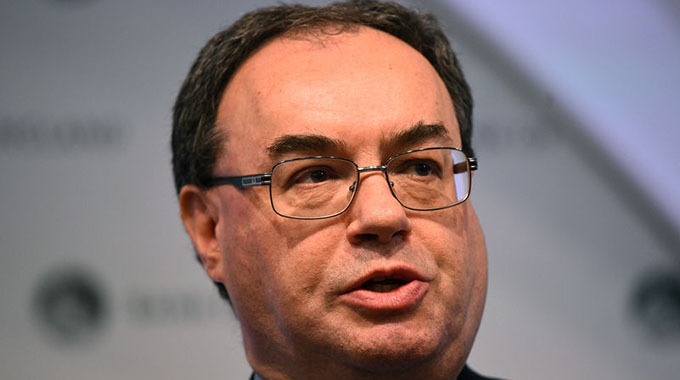
LONDON. — The rapidly growing exchange-traded-funds sector does not pose a threat to financial stability as the market has coped well so far with liquidity crunches, research from Britain’s Financial Conduct Authority said last Thursday.
The findings will come as a relief after the suspension of a Woodford open-ended fund in June threw the regulatory spotlight on liquidity in funds generally.
FCA said that when the ETF market, up from $400 million globally in 2005 to over $5 trillion this year, came under pressure, more market participants stepped in to help investors sell their positions.
An ETF is a basket of securities that is listed on an exchange like a stock, offering exposure to a sector or index without the investor having to buy the underlying assets.
Buying and selling of ETFs is largely undertaken through “authorised participants” or APs, mainly investment or wholesale banks (IWBs) and proprietary trading firms (PTFs).
The five largest APs account for 75 percent of primary market trading volumes, with concentration rising in fixed income ETFs, where the five largest APs account for 91 percent of trading.
Three instances of stressed markets, December 2018, February 2018, and the US presidential election in November 2016 saw APs who are normally less active enter the market to provide liquidity, the FCA said.
“Beyond these reassuring results, the analysis does not detect any initial signs of concern to financial stability,” the FCA research said. Future work will examine the secondary market for ETFs.
FCA chief executive Andrew Bailey told the Observer newspaper this week that in light of the Woodford suspension, he was interested in US style rules that tell investors how long it takes to sell shares in a fund to meet redemptions.
Since last December the US Securities and Exchange Commission has required open-ended funds to classify holdings into four buckets according to how long it takes to sell them.
Shares could only be deemed highly liquid if they can be sold within three business days or less, while shares are “illiquid” if they cannot be sold in less than a week without significantly changing market value.
The FCA is considering new rules on illiquid assets in open ended funds, saying it will draw lessons from Woodford, with the watchdog’s research signalling that for now, ETFs are in the clear. – Reuters.



 Online Reporter