Online Reporter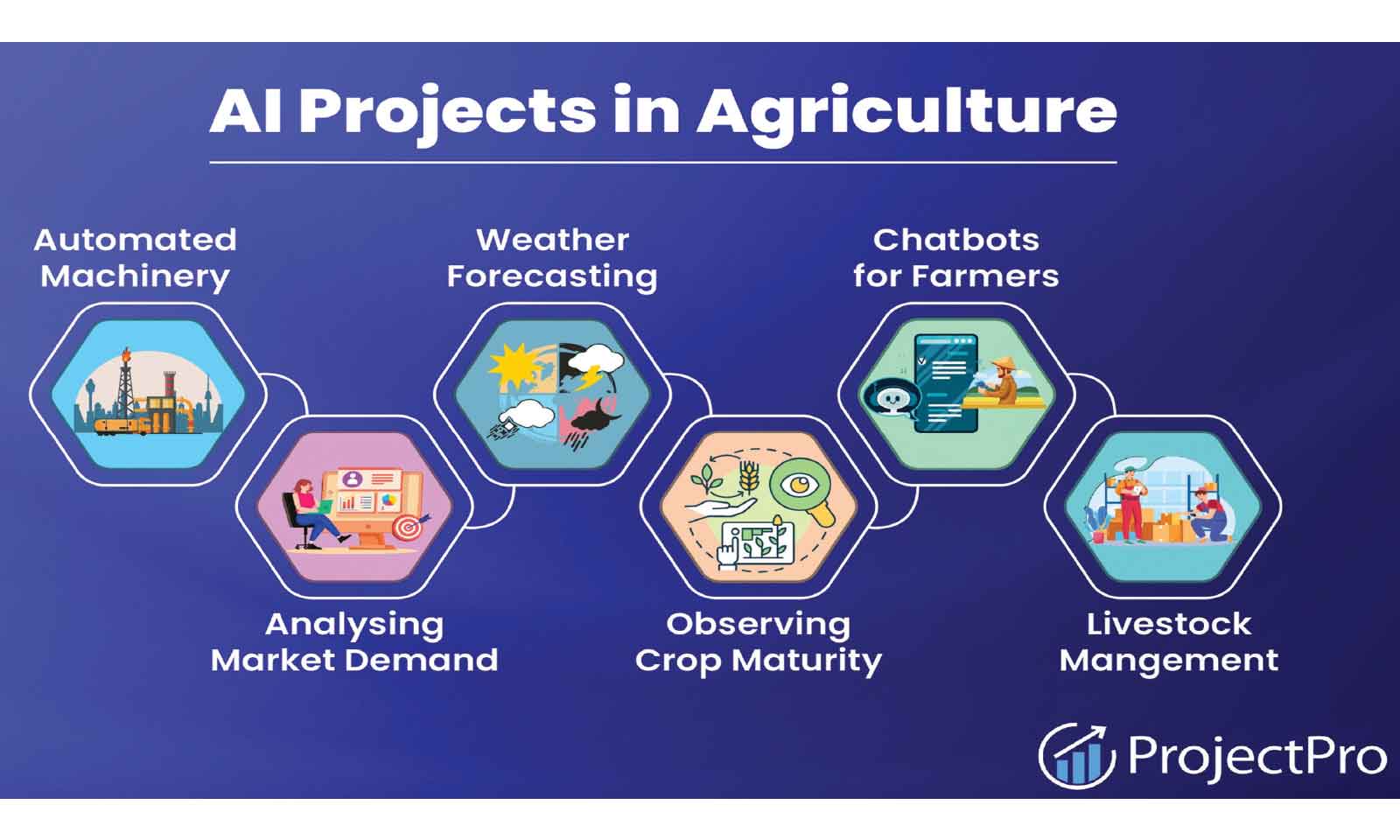
Innocent Mujeri
As Zimbabwe steps into 2026, the nation finds itself at a defining moment. The past years have tested our resilience through economic pressures, climate challenges, and social change.
Yet history reminds us that Zimbabweans have always found strength in adversity. The year ahead should not be approached with despair or blame, but with renewed purpose, discipline, and collective confidence. What Zimbabweans choose to do in 2026 – individually and collectively – will shape not only the year itself, but the future we pass on to the next generation.
At the heart of national progress lies a simple, but powerful principle: hard work. No country has developed through shortcuts, and Zimbabwe will be no exception.
In 2026, Zimbabweans must recommit to a culture of productivity, integrity, and excellence in all sectors of life. Whether one is a farmer, teacher, entrepreneur, civil servant, artisan, or student, honest work done with commitment remains the foundation of sustainable development.
Hard work must go beyond long hours; it must be smart, disciplined, and goal-oriented. Farmers should embrace modern farming methods, timely planting, and climate-smart practices to improve yields and reduce losses.
Workers in offices and factories should uphold professionalism, punctuality, and accountability. Young people, in particular, should see education, skills training, and entrepreneurship as pathways to dignity and self-reliance rather than waiting for formal employment alone. When work is respected and excellence rewarded, national productivity naturally rises.
Zimbabwe’s diversity – of languages, cultures, beliefs, and political opinions – should be a source of strength, not division.
In 2026, Zimbabweans must place unity above differences. Development thrives where people cooperate, not where they constantly fight each other. While disagreement is natural in any society, it must never degenerate into hostility that weakens national cohesion.
Unity begins at community level. Neighbours supporting one another, churches and civic groups working together, and local leaders encouraging dialogue can build social trust.
At national level, unity means focusing on shared goals such as economic stability, food security, education, and healthcare. When Zimbabweans speak with respect, listen to one another, and put the national interest first, the country becomes stronger and more attractive to investment and innovation.
The world is moving fast, and Zimbabwe must move with it. Innovation is no longer optional — it is essential.
In 2026, Zimbabweans should actively embrace technology, creativity, and new ideas across all sectors. From digital agriculture and mobile banking to e-learning and small-scale manufacturing, innovation offers practical solutions to everyday challenges.
Young innovators should be encouraged to develop apps, machines, and services that solve local problems. Small businesses can use digital platforms to access markets beyond their immediate communities.
Schools and colleges must prioritise science, technology, and practical skills that prepare learners for the modern economy. Innovation does not require massive capital; it requires curiosity, problem-solving, and the courage to try new approaches.
Zimbabweans have long survived through resilience and self-help. In 2026, this spirit of self-reliance must be strengthened. Communities should support local production and value addition instead of depending heavily on imports.
Buying local goods, promoting local tourism, and supporting homegrown businesses keeps money circulating within the economy and creates jobs.
Self-reliance also means reducing dependency mentality. While government and institutions have roles to play, national progress cannot be outsourced.
Each citizen has a responsibility to contribute positively – by paying attention to quality, conserving resources, and protecting public property. When Zimbabweans take ownership of their communities and economy, development becomes more sustainable.
The youth are Zimbabwe’s greatest asset. In 2026, deliberate efforts must be made to empower young people with skills, mentorship, and opportunities.
Youth should be encouraged to participate in agriculture, technology, sports, arts, and entrepreneurship. At the same time, young Zimbabweans must embrace discipline, patience, and continuous learning.
Parents, leaders, and institutions should guide the youth towards constructive activities and positive values. A nation that invests in its young people invests in stability, innovation, and long-term prosperity. The future of Zimbabwe will be written by how well today’s youth are prepared and supported.
Ultimately, 2026 should be a year of hope grounded in responsibility. Hope without action leads to disappointment, but hope combined with hard work, unity, and innovation leads to progress.
Zimbabweans must believe in their ability to build a better nation, not through miracles, but through consistent effort and cooperation.
If Zimbabweans choose productivity over complaint, unity over division, and innovation over fear, 2026 can mark a turning point. The road may not be easy, but it is achievable. The responsibility lies with every citizen – to work honestly, live responsibly, and contribute positively. Together, Zimbabweans can turn 2026 into a year of renewal, growth, and shared national pride.