Bunjiwe Mkwananzi
Sikhulekelani Moyo [email protected]
FINANCE, Economic Development and Investment Promotion Minister, Professor Mthuli Ncube, says the 2027 National Budget will prioritise building economic resilience against El Niño, oil price shocks and geopolitical tensions to sustain a minimum five percent growth rate.
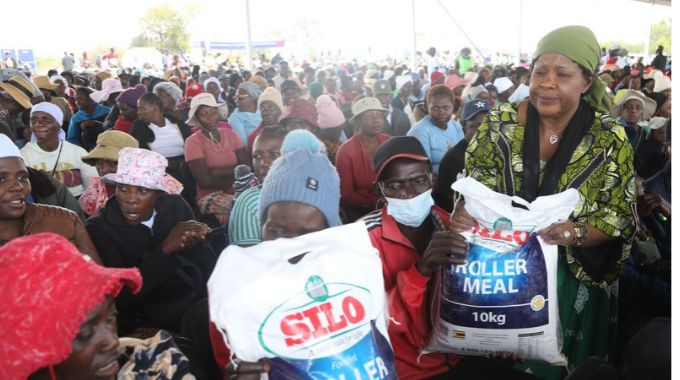
Prof Ncube said climate-proofing the economy would be central to the budget, with investment in irrigation, dams and grain reserves forming part of a broader strategy to shield the economy and vulnerable citizens from external shocks.
“Given these potential shocks of El Nino, global oil shocks, political tensions and so forth, the budget needs to buttress resilience in terms of macro-economic stability, in terms of absorbing the shocks to create a more resilient economy going forward so that we can maintain that golden minimum five percent rate of growth going forward,” he said.
“So, you see the budget will articulate ways to climate-proof the economy with a six or seven-pillar strategy for that to deal with the El Nino shocks, which involves investment in irrigation, again tapping down on investment in our dams, and also making sure that we open up the borders for those who need to import, and then also make sure that we have enough grain to support those who are vulnerable.”
Prof Ncube said the strategy would also include cloud seeding and sovereign insurance to strengthen the country’s capacity to absorb external shocks.
“Cloud seeding is yet another pillar for that strategy, as well as make sure that we can access sovereign insurance to support those who are vulnerable, at the same time be able to absorb shocks from the external front, the oil shocks in the main and the global supply chain shocks,” he said.
“But look, we have to support economic growth. So, there will be a strong growth element, not just a resilient element, in the budget.”
Prof Ncube said social sectors would remain protected, with about 42 percent of the budget going towards health, education and social protection.
“Those again will be well supported. That will be maintained,” he said.
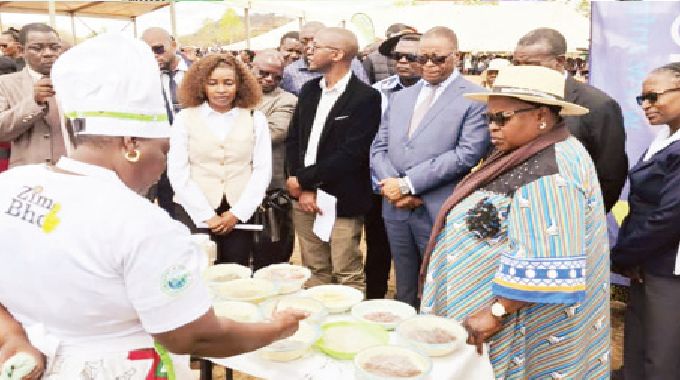
Prof Ncube’s remarks come as Parliament has begun nationwide public consultations on the 2027 National Budget, giving citizens and organisations an opportunity to make submissions ahead of the Budget formulation process.
For Bulawayo and the two Matabeleland provinces, Parliament’s Team C will conduct consultations from October 5 to 9.
According to the schedule, on 5 October the consultations will be at Victoria Falls, Mosi-oa-Tunya High School, starting at 10am, the following day they will be held in Hwange at Lwendulu Hall also starting at 10am.
On 7 October, the consultations will shift to Bulawayo where they will be held at Nketa Hall, starting 10am, and Magwegwe Hall at 2pm.
On 8 October the team will move to Matobo, where they will be held at Pagati Primary School and Antelope Mine, starting 10am, and at Falcon Hall, starting at 2pm.
The following day on 9 October the consultations will then be held at Filabusi Centre, at Mthwakazi Hall, starting at 10am.
The consultations are anchored on Parliament’s three roles of oversight, legislation and representation, holding the Executive and public institutions to account, making laws for good governance and giving citizens a voice in national affairs.
Under the new Budget calendar gazetted through Statutory Instrument 153 of 2026, the Budget Strategy Paper is due before Parliament by July 31, while the final 2027 National Budget must be tabled no later than the third Thursday of November.