Vusumuzi Dube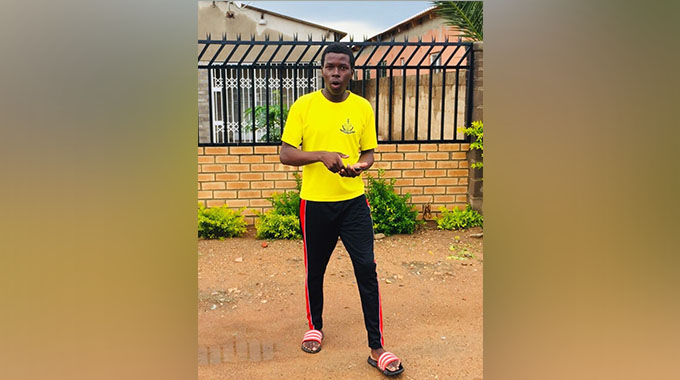
Mthokozisi Ncube, [email protected]
TALENT from Tsholotsho, Matabeleland North, known for its rhumba music stars, is now making waves in literature, as Fanuel “Marcus” Zimba has earned four nominations at the upcoming Red Carpet Poetry Awards.
In its fifth edition, the awards showcase, set for February 27, in Harare, will honour poetic excellence across 20 categories, bringing together writers from across Zimbabwe.
At just 22, Zimba, whose passion for poetry was ignited by the loss of his mother, has been nominated for Poet of the Year, Social Impact of the Year, Promising Artist of the Year, and Page Poet of the Year. These first-ever nominations mark a significant milestone, signalling both recognition and his growing influence.
Born on April 12, 2003 in Tsholotsho, Matabeleland North, Zimba was raised in Bulawayo. He attended Hope Primary School in Umguza District before completing secondary education at Regina Mundi Mission in Lupane. His rise from rural beginnings to national acclaim is reflected in the themes that shape his work.
Zimba’s poetry is noted for its raw portrayal of hardship. His writing gives voice to homeless children living on the streets, marginalised communities, unemployed youths and ageing war veterans. He firmly believes in the enduring power of the written word.
His growing body of work includes pieces inspired by personal experience and social observation, many of which have featured on platforms such as Intanga Poetry, local newspapers, magazines and Amazon.
Two of his poems, Sugar Daddies and Tribute, were voted best in the Albert Literature contest and later uploaded to Amazon. He is also the author of Beyond the Mountains, a poetry collection that has established him as a compelling young literary voice.
Speaking to Sunday Life, Zimba said the nominations had taken him by surprise.
“To be honest with you, it’s not something I thought would really happen. It came as a surprise and, for a moment, I couldn’t believe it. To feature in all those categories cements my name as a compelling voice in the literary world.
“I extend my utmost gratitude to all my fans, friends, family and classmates who have supported me to this day, and every individual whom I don’t know, who cast their vote in my name. I’m grateful for their belief in me, in my work, and in my dream. Above all, it could not have been me without God; I owe it all to Him. I didn’t believe I could go this far,” he said.
Asked what distinguishes his poetry, Zimba was direct.
“I don’t only write to create content, earn money and gain fame. I write from a wounded perspective for the people. I was raised with nothing. I know how it feels to grow up with nothing, and all you can do is dream. So, what sets my voice apart is that I know the next person, I know a hungry child, I know an orphan with no one next to him, I know a child who sleeps on hope and eats hope every day. I know losing more than winning. I know being able but being unable to push your potential.
“So, when I write, I make sure not to forget the forgotten boy sleeping under the bridge. I make sure to fight for the marginalised community because, when you have nothing, that’s when you are considered a no one. And I’m here to tell that person they are enough and I’m their voice. I don’t write for myself; rather, I speak for the voiceless. That’s what sets me apart.”
For Zimba, the nominations represent progression rather than destination.
“It reminds me of where I started and where I’m heading, and how my work has impacted people and drawn many to my world. It’s a motivation to wake up every day stronger and more determined than yesterday.
“It cements my name as a positive voice in the literary world. Even if I don’t win this award, it’s okay. The fact that I was nominated shows the impact of my work, the greatness of my talent and the power of God’s grace in my life.”
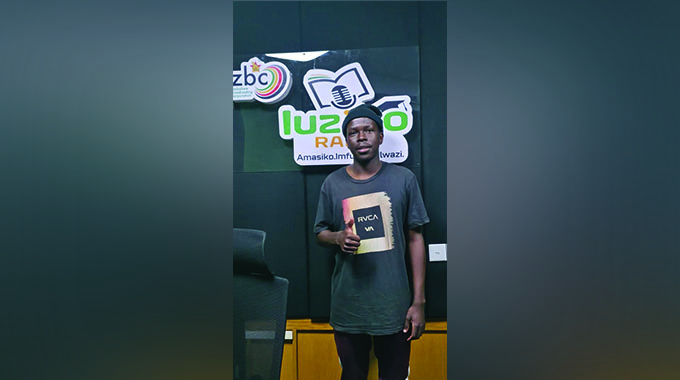
He said he uses his platform to uplift others through quotes, poems and motivational reflections aimed at helping people navigate life’s challenges.
“These help individuals cope with the unending blows of life and the traumas, addictions and demons that we fight every day. So, by sharing a poem about hope, I believe someone out there will read it and feel heard and supported, because I believe we are never alone in our struggles.
“Every poem is a message to someone out there, and before you know it, by the time they finish reading it, you might have stopped someone from hanging themselves from a tree, from jumping off a cliff, or from giving up on life. So, in everything I do and write, I remember that someone whom I have never met finds solace in my words.”
Asked which social issues require urgent attention in Zimbabwe, Zimba said: “The most pressing issues are teenage pregnancy, sexual violence, and drug and substance abuse. These challenges affect young people the most, and we must speak out and take a stand against them. In my upcoming book, Who Shall Speak, I explore these issues in greater depth.”
Writing, he said, is central to his identity.
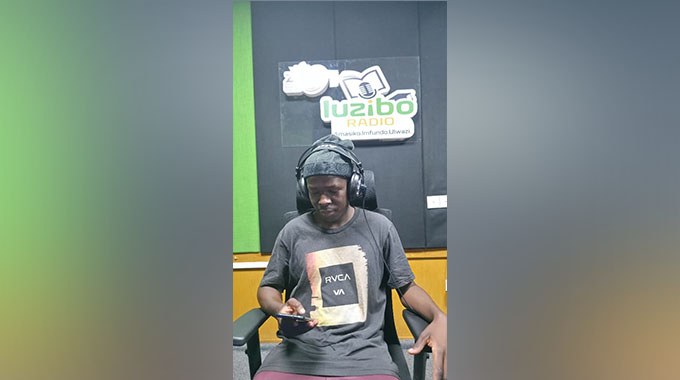
“To me, writing is a calling, a refuge, and a companion. It’s as essential as breathing; without it, life loses meaning. I write every single day, because when I stop, everything else feels empty.”
Reflecting on his early years, Zimba said: “I turned to poetry to heal the pain of losing my mother. I lost her at seven, in 2010, and writing helped bridge the void inside me. As I wrote more, I bled a little less, and many people resonated with my work. That’s when I began writing for the marginalised, the poor, and the forgotten. Poetry stopped being a hobby; it became a calling.
“Seeing the injustice and discrimination faced by those from marginalised backgrounds pushed me to write even more.”
He cited Kwanele Khumalo as one of his major influences.
“My first and biggest literary influencer is Kwanele Khumalo, the author of the Nama-nominated book
‘Who Killed Grandfather’. He was my history teacher in A-level and introduced me to poetry. I fell in love with it instantly, and I credit him with my journey as a poet today. I’ve come this far because of his guidance and support.
“Another local literary influence is NoViolet. Her dedication and journey into writing are truly inspiring. Internationally, I’m a big fan of the late Athol Fugard, famously known for The Train Driver and other plays, as well as Wole Soyinka and the late Ngugi wa Thiong’o, to name a few.”
In addition to his literary work, Zimba is also a trained technician.


 Online Reporter