malvernmugadzikwa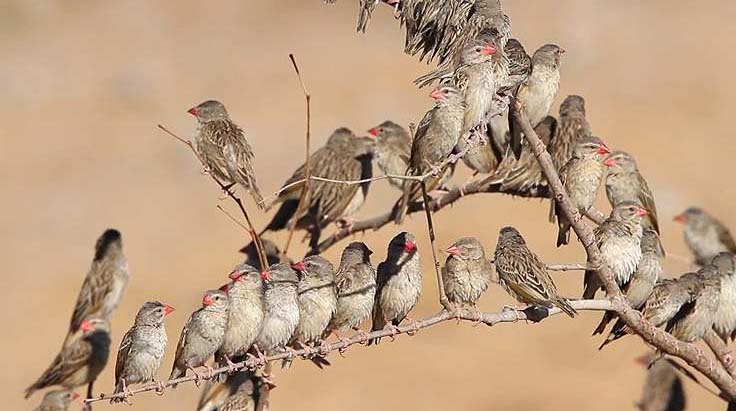
Sunday Mail Reporter
TWENTY-FIVE quelea bird roosting sites have been destroyed using the recently acquired hi-tech pest control drones, helping to protect this year’s winter wheat crop.
The Department of Migratory Pests and Biosecurity Control (DMPBC) recently took delivery of nine AGRAS T40 drones that are now being used for the ongoing exercise.
Government has since secured over 7 000 litres of fenthion, the avicide used to control the birds, while an additional 10 000 litres will be delivered shortly.
Flocks of quelea birds were reportedly ravaging wheat fields in Mashonaland West and Mashonaland Central provinces. In an interview with The Sunday Mail, DMPBC director Mr Shingirayi Nyamutukwa said: “We have attended to 25 roosting sites so far since the beginning of the winter wheat cropping season.
“The majority of the reports of bird sightings are coming from Mashonaland Central and Mashonaland West provinces.
“To date, no reports have been received from Midlands and Manicaland, while the rest of the provinces have less than five quelea outbreak reports.”
Surveillance, Mr Nyamutukwa said, was ongoing and reports of bird sightings are expected to increase as the crop reaches maturity.
“I can assure you that all of our 86 000 hectares of wheat are safe,” he continued.
“We have stepped up our operations because all the resources required are already in place.
“We are happy that the drones we received recently are equal to the task and will be in the field to do the work.”
Recently, wheat farmers from the Nyamavanga Farmers Association in Mazowe were battling flocks of quelea birds before calling in Government for assistance.
One of the farmers, Mr Lloyd Chitate, said he was happy with the authorities’ rapid response.
“Our crop was faced with a massive threat from quelea birds,” he said.
“There was a roosting site close to our farm, which was very big.
“In just three days, the flocks were threatening to destroy all our crops.
“If it was not for the call we made to the Department of Migratory Pests and Biosecurity Control, we would have no wheat to talk about.”
The farmers also received free avicides to spray the breeding and roosting sites.
Before Government acquired the drones, quelea bird control was done through spraying chemicals using tractor-mounted sprayers and motorised backpack sprayers.
Farmers also trapped the birds using nets, or blew vuvuzelas to scare them away.
The small red-billed weaver bird feeds on cereals like wheat, sorghum, millet, rice and barley.
Experts say a million birds can destroy 40 000 tonnes of cereals per day.
An AGRAS T40 drone can carry up to 40 litres of chemicals and uses three litres of fuel to spray over a hectare.
The drone can spray a 40ha roosting site within 30 minutes.
An online quelea command centre, which provides real-time data to the Agricultural Advisory and Rural Development Services head office on the frequency of quelea bird reports for immediate reaction, has since been established.
ENDS_



 Online Reporter