Sikhumbuzo Moyo, [email protected]
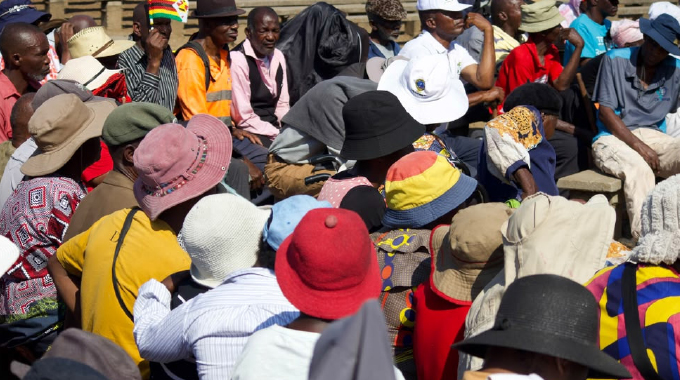
BULAWAYO has received nearly 3 000 Zimbabweans returning from South Africa through the United Congregational Church of Southern Africa (UCCSA) transit centre in Njube suburb, with local teams now conducting home visits to assess their living conditions and identify families requiring assistance.
Of the nearly 3 000 returnees received at the centre, 710 arrived directly in Bulawayo, with some facing shortages of necessities, chronic illnesses and family disputes over accommodation as they seek to rebuild their lives.
The home visits, conducted by churches in collaboration with the provincial Civil Protection Committee, are part of efforts to ensure that citizens fleeing xenophobic attacks in South Africa receive support beyond their initial reception.
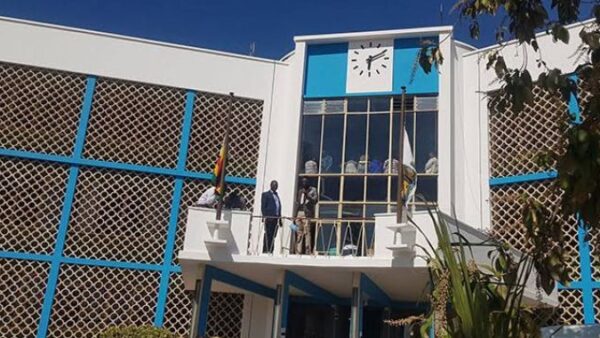
Speaking at the Bulawayo Provincial Civil Protection Committee disaster management review meeting at Mhlahlandlela Government Offices on Tuesday, Bishop Lazarus Khanye said teams had visited 36 households since beginning the exercise last Thursday.
“We want to understand how our returnees are settled and reintegrated into their communities. We also want to understand their living conditions and document the support extended to the household,” he said.
Bishop Khanye said the visits had exposed difficult circumstances, including inadequate accommodation and shortages of necessities.
“We sat down with the local Government officials and since last Thursday, we are on the ground checking on them, their needs, including medical and I can tell you that the situation is dire in most of those we have visited,” he said.
In some cases, returnees had arrived home to find that family members had rented out most of the available rooms, leaving little space for them and their children.
“We’ve seen situations where the returnee would arrive home and find all the rooms except one having been rented out, some of them will be having two or three kids. We have to date visited about 36 homes in different suburbs of the city,” said Bishop Khanye.
He said churches had continued providing material assistance, including food, toiletries and bedding, while some returnees required medical support because of chronic illnesses.
The initiative is being coordinated by the Zimbabwe Heads of Christian Denominations (ZHOCD), with Bishops Khanye and Senda Ngulube leading the church response in collaboration with the provincial Civil Protection Committee.
Government, churches, humanitarian organisations and other partners are working together to provide temporary shelter, food, healthcare, psychosocial support and onward transport, while follow-up visits help identify longer-term needs, including family reunification and assistance with children’s education.
The efforts follow President Mnangagwa’s call for Zimbabweans returning from South Africa to be welcomed with dignity and supported to rebuild their lives and contribute to the country’s development.
Government has also pledged to work with stakeholders on reintegration and empowerment programmes, recognising that some returnees have lost their livelihoods and require assistance to become economically self-reliant.
The Bulawayo transit centre has become a key coordination point for the response, with churches and well-wishers complementing Government assistance through donations of food, clothing, blankets, mattresses and other essentials.
As home visits continue, the focus is shifting beyond receiving returnees to ensuring that affected citizens and their families can access the support needed to settle safely and rebuild their lives.
Meanwhile, Zimbabwe has received 700 nationals deported from South Africa’s Lindela Repatriation Centre, with some required to complete their prison sentences in Zimbabwe.
The deportees had been received at the Beitbridge Reception and Support Centre as of September 24, as authorities continued coordinating the repatriation and reintegration of citizens returning from South Africa.
Presenting an update following this week’s Cabinet meeting, Acting Information, Publicity and Broadcasting Services Minister Professor Paul Mavima said the involvement of the Joint Operations Command (JOC) remained critical in screening and handling deportees.
Prof Mavima said Cabinet had considered and noted a situational update presented by the Minister of Local Government and Public Works, Mr Daniel Garwe.
He said the number of Zimbabweans returning from South Africa had declined significantly, covering both Government-supported repatriations and those returning independently.
“As at October 6, a total of 42 553 Zimbabweans had returned through Government-supported arrangements. The figure comprises 10 475 adult men, 13 631 adult women, 9 001 male minors and 9 446 female minors,” said Prof Mavima.
He said a further 154 741 Zimbabweans had returned through self-repatriation.
“Government facilitated the transit of 87 012 Malawian nationals returning to their home country,” he said.