Patrick Chitumba, [email protected]
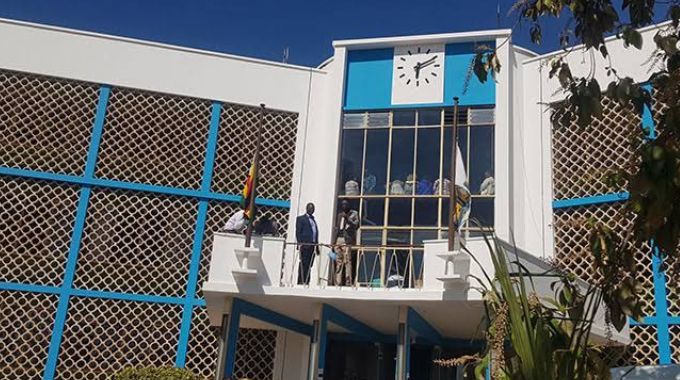
KWEKWE City Council has launched inspections of market stalls to identify vendors allegedly selling drugs and illicit alcohol, warning that offenders risk disciplinary action, including the possible withdrawal of their vending allocations.
The exercise is aimed at enforcing municipal by-laws, preventing the misuse of council-allocated trading spaces and ensuring that vendors comply with required hygiene standards.
Council officials will also assess whether existing vending facilities are adequate to meet traders’ needs.
Speaking at a recent stakeholders’ meeting in Kwekwe, the city’s director of health services, Dr Munyaradzi Murwira, said some vendors were allegedly using designated market stalls to sell drugs and alcohol in violation of the conditions governing their allocation.
“We have noticed that some of the people who were allocated market stalls are now operating outside council by-laws by selling drugs and alcohol in unauthorised places. This is a problem that must be addressed,” he said.
“The local authority is concerned about the misuse of vending facilities. These proposed inspections would help establish whether traders were operating within the terms of their allocations and meeting the required hygiene standards.”
Dr Murwira said the planned crackdown came as Kwekwe remained a major hotspot in the Midlands Province’s fight against drug and substance abuse, with authorities intensifying efforts to dismantle drug bases, disrupt supply networks and protect communities, particularly young people, from addiction.
Minister of State for Midlands Provincial Affairs and Devolution Owen Ncube recently said a province-wide crackdown had resulted in 290 arrests and the dismantling of 78 drug bases.
Kwekwe accounted for 54 of the dismantled bases, followed by Gweru Rural with 11, Gweru Urban with six, Zvishavane with four and Gokwe with three.
The operations also resulted in the seizure of 80 kilogrammes of cannabis, 59 grammes of crystal methamphetamine and 25 cases of illicit alcoholic beverages.
Mr Ncube said the figures highlighted the scale of the challenge facing law enforcement agencies and local authorities as they sought to disrupt the illegal drug trade and prevent communities from becoming breeding grounds for substance abuse.
Last Thursday, Kwekwe City Council joined other stakeholders in a drug awareness march through the city, urging residents to shun drugs and substance abuse.
The march sought to highlight the dangers of substance abuse and encourage communities to play an active role in preventing the spread of illicit substances.
Meanwhile, efforts to address drug and substance abuse are also focusing on rehabilitation and the social challenges affecting young people.
At the Angel of Hope Drug Rehabilitation Centre in Mbare, First Lady Dr Auxillia Mnangagwa has been engaging young people receiving support to overcome drug and substance abuse, listening to their experiences and seeking to understand their struggles.
The centre is also helping to bring to light other social challenges affecting children, including child marriage, harmful relationships and behavioural difficulties, which are being addressed through counselling and guidance.
The rehabilitation initiatives highlight the need to complement enforcement measures with support systems that help young people recover from addiction and address circumstances that may expose them to substance abuse.