Online Reporter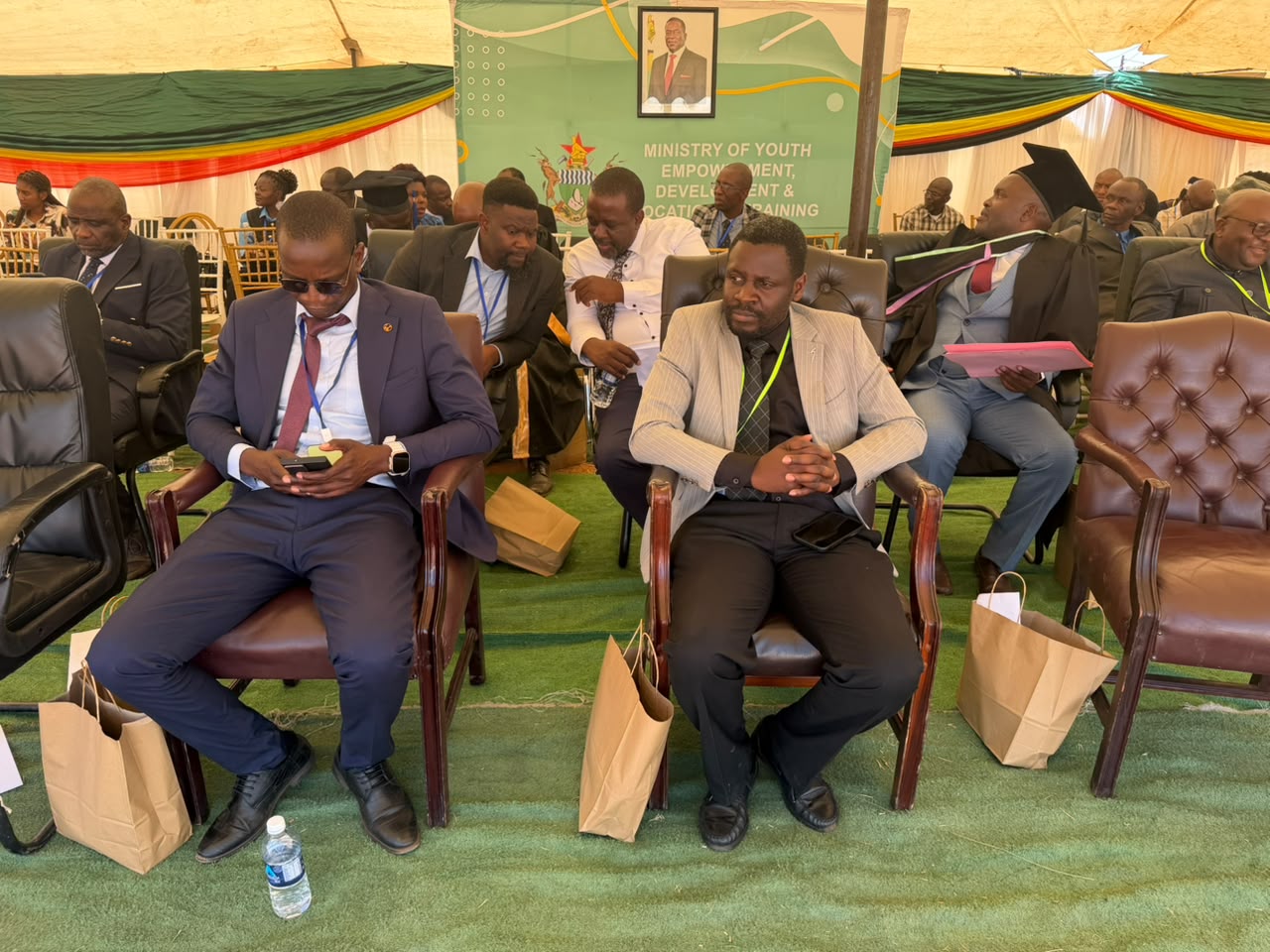
Victor Maphosa
Mashonaland East Bureau
About 311 students have graduated with certificates in various disciplines at the third graduation ceremony at Tabudirira Vocational Training Centre in Mutoko.
There was joy at the vocational training centre as graduands received their certificates after months and years of hard work and perseverance.
The graduation ceremony was held under the theme: “Skills, Enterprise, Digitalisation: Pathway to Vision 2030.”
The graduates completed courses in disciplines including Hotel and Catering, Accounting and Electrical Engineering.
Youth Empowerment, Development and Vocational Training Deputy Minister Kudakwashe Mupamhanga, who was represented by the Director of Vocational Training and Skills Development, Mr Innocent Kutyauripo, urged the graduates to use their acquired skills to contribute to the development of their communities.
“Graduation is an important milestone in the life of every learner. Today, we recognise not only the certificates that our Graduands have earned, but also the knowledge, practical competencies, discipline, resilience and determination that they have developed during their training,” he said.
“However, I wish to remind our Graduands that graduation is not the end of your learning journey. It is the beginning of a new chapter of responsibility and opportunity.
“The qualification you receive today should not simply become a certificate hanging on the wall. It must become a tool for employment, entrepreneurship, innovation, productivity and community development.
“The true value of your training will ultimately be demonstrated by what you can do with the skills you have acquired. In this regard, a certificate tells society what you have studied, but competence demonstrates what you can do.”
Dep Min Mupamhanga said the Government is aware that skills development is a key component critical for the attainment of Vision 2030.
“Technical and Vocational Education and Training plays a critical role in the socio-economic transformation of our country. Under the leadership of the President of the Republic of Zimbabwe, Dr Emmerson Dambudzo Mnangagwa, Government continues to prioritise human capital and skills development as important components of national development,” he said.

“Our national aspiration of transforming Zimbabwe into an Upper-Middle-Income Society by 2030 requires a skilled, productive, innovative and entrepreneurial population. This is why the theme of today’s ceremony, “Skills, Enterprise, Digitalisation: Pathway to Vision 2030,” is particularly relevant.
“We need young people who are not only prepared to participate in the labour market, but who can also identify opportunities, create enterprises, provide technical services, innovate and contribute to increased productivity.
“Our Vocational Training Centres and other technical and vocational institutions therefore have a critical responsibility. They must increasingly become centres of competence, innovation, production, entrepreneurship and community development.”
He added that the Government will continue to transform the Vocational Training and Skills Development System, Competence-Based Education and Training, (CBET), which remains a critical pillar of this transformation.
“Competence-Based Education and Training places emphasis on what a learner can demonstrate and perform, rather than merely what the learner can remember or reproduce in an examination,” he said.
“This is particularly important in the world of work. An electrical trainee must be able to install, maintain and troubleshoot electrical systems. A motor vehicle mechanic must be able to diagnose faults and carry out repairs.
“An agricultural trainee must be able to translate knowledge into productive agricultural activity. A hospitality trainee must be able to deliver quality services that meet customer and industry expectations. An ICT trainee must be able to apply digital technologies to solve real-world problems.

“That is the essence of competence. Government will continue strengthening the linkages between training institutions and industry to ensure that the skills being imparted remain relevant to technological developments and the changing requirements of our economy. ”
He urged them to continue upgrading themselves academically to remain relevant in a world of technology.
“The world of work is changing rapidly. Digital technologies, artificial intelligence, renewable energy, modern agriculture, advanced manufacturing, construction technologies, hospitality, automotive technologies and other emerging sectors are creating new opportunities while also changing the skills required in existing occupations.
“I therefore urge you to continue learning, continue upgrading yourw skills and remain open to new technologies and emerging opportunities.
“Do not allow your qualification to become the final stage of your education. The modern workplace demands people who are prepared to learn, adapt, innovate and acquire new competencies throughout their working lives.
“Your certificate opens a door; your competence, character and continuous learning will determine how effectively you use that opportunity. I also want to encourage our Graduands to think beyond conventional employment.”