Online Reporter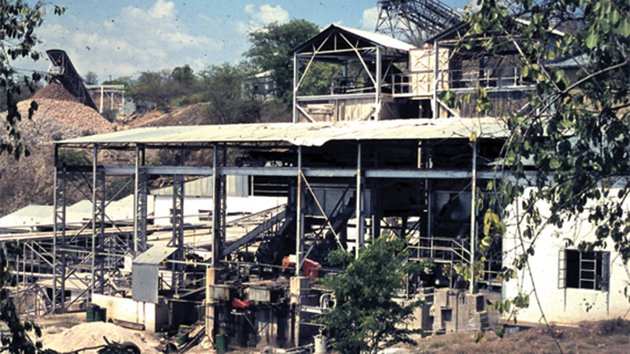
Nqobile Bhebhe, [email protected]
ZIMBABWE Energy Regulatory Authority (ZERA) has approved a 25-year electricity generation licence for New Dawn Solar Private Limited to construct, own, operate and maintain a 36MW solar photovoltaic plant integrated with a 48MWh battery energy storage system (BESS) at Kamativi Mine in Hwange District.
The licence, issued on 17 July 2026 marks a major step towards expanding private-sector participation in Zimbabwe’s renewable energy sector and strengthening the mining industry’s drive towards energy self-sufficiency.
The integration of battery energy storage technology is expected to be a transformative development, addressing one of the biggest challenges associated with solar power intermittency by ensuring a more reliable and stable electricity supply.
Kamativi Mining Company has indicated that it is investing US$25 million towards the construction of the 36MW solar power farm, which is expected to lower electricity costs, reduce carbon emissions and support sustainable mining operations in line with Government’s push for mines to develop their own power solutions.
The development comes as the Second Republic continues to attract significant investment into the mining sector under its “Zimbabwe is Open for Business” policy, with renewable energy emerging as a critical enabler for increased mineral production, particularly in lithium and other strategic minerals.
According to the licence notification, ZERA granted the approval in terms of Section 42 of the Electricity Act.
“Subject to the Electricity Act and the terms and conditions of this licence, the Licensee shall generate electricity for supply to its customers,” reads the licence.
Energy experts have noted that solar photovoltaic technology has become central to the global transition towards cleaner energy, but the intermittent nature of solar generation has created challenges around maintaining consistent power supply.
Battery energy storage systems have emerged as a key solution by storing excess electricity generated during periods of high solar output and releasing it when demand increases or sunlight is unavailable.
BESS technology, largely based on lithium-ion batteries, provides benefits including high energy density, long cycle life and rapid response capabilities.
The systems can operate independently or be integrated with solar photovoltaic plants to supply power during periods of insufficient sunlight.
The technology is increasingly being adopted across residential, commercial, industrial and utility-scale applications as countries seek to improve energy security and grid resilience.