Online Reporter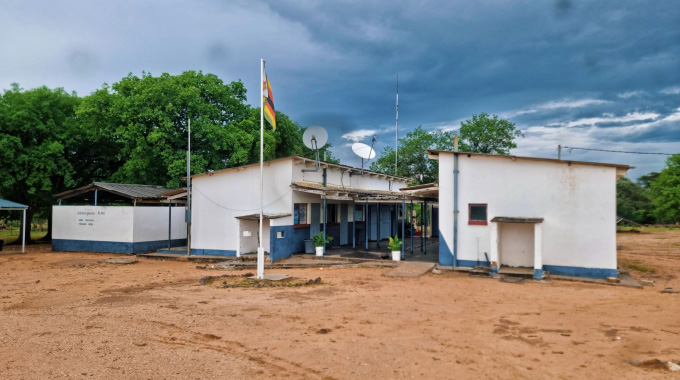
Rutendo Nyeve, Victoria Falls Reporter
A Government-led intervention has reshaped livelihoods in Mlibizi, Binga District where more than 40 000 people are now guaranteed adequate water supplies.
Through the rehabilitation and upgrading of a critical water supply system, the Climate Adaptation, Water and Energy Programme (CAWEP) has brought reliable, clean water to the Binga people, ending years of struggle for communities, schools, and health institutions.
The comprehensive project, implemented by the Government of Zimbabwe in partnership with the United Nations Development Programme (UNDP) and funded by the Foreign, Commonwealth and Development Office (FCDO), has revitalised the 65-kilometer Zimbabwe National Water Authority (Zinwa) pipeline.
The strategic infrastructure now stands as a pillar of community resilience, supplying potable water to 10 schools and two clinics, providing bulk water to a 20-hectare irrigation scheme, and sustaining four community gardens.
In total, an estimated 46 439 people benefit directly from this upgraded system. A further 159 982 individuals in surrounding areas are reached indirectly through enhanced early warning systems, underscoring the project’s broad impact on climate adaptation and community safety. One of the examples of this transformation is Siansundu Clinic.
For years, this vital health facility, serving more than 23 000 people from three wards, struggled with a non-functional water system.
Nurses and patients were forced to queue at community boreholes thereby compromising healthcare services. The clinic’s nurse-in-charge, Mr Gideon Muzamba said lack of a reliable water source was in the past compromising healthcare services.
“Our nurses and patients were burdened with fetching water from boreholes which are far away. This saw nurses spending more time on fetching water instead of taking care of patients. Basic hygiene, infection control and even administering certain medications became a daily challenge,” he said.
Mr Muzamba said the return of running water to the clinic was therefore a very welcome development.
He said service delivery has greatly improved and spread of infections was under control.
“We can maintain strict hygiene protocols, ensuring safety for both patients and staff,” said Mr Muzamba.
He said expectant mothers now have adequate water in the labour ward to guarantee safe delivery.
Mr Muzamba also highlighted restored dignity and efficiency.
“We can now properly wash and reuse linen, and our toilets renovated with support from Red Cross, are functional because water is available. This is essential, especially for patients suffering from diarrhoeal diseases,” he said.
Beyond the clinic, the upgraded system is engineered for climate resilience. It features floating pump rafts to adapt to changing water levels, solar-powered and grid-powered pumps for increased capacity, and extended storage and distribution networks.
The extension of the pipeline from 25km to 65km ensures wider coverage and separates raw water for agriculture from treated water for households. This model directly supports livelihoods.
The bulk water supply to irrigation schemes and community gardens benefits 188 households and has created jobs for 185 farmers operating under the ARDA V30 Accelerator model, fostering food security and economic activity. Mr Muzamba expressed his profound gratitude for the intervention.
“This project has been a tremendous relief. It has allowed us to focus entirely on our healthcare duties. Our hope is that this system endures for generations to come, ensuring the community continues to reap the benefits of this vital investment,” he said.
The CAWEP initiative in Mlibizi is a strategic partnership that is fulfilling the constitutional right to clean water. It demonstrates how targeted infrastructure development can simultaneously safeguard public health, bolster climate resilience, and unlock agricultural potential, setting a precedent for rural transformation across Zimbabwe.



 Colletta Dube