Online Reporter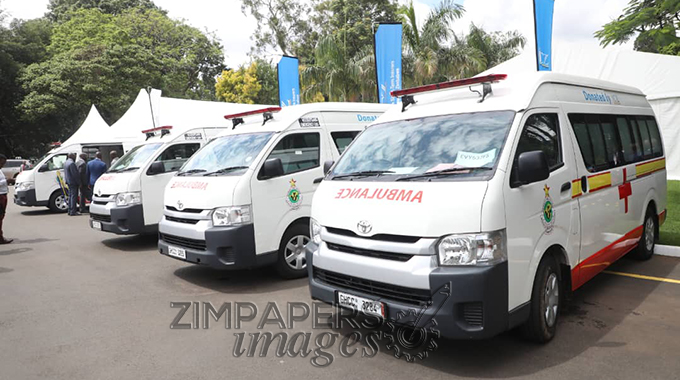
Freeman Razemba, Harare Bureau
THE Government has deployed more than 400 emergency ambulances across the country to respond to road traffic accidents during the festive season, while issuing a strict directive to police to arrest and prosecute all traffic violators.
Of the deployed ambulances, 24 are state-of-the-art units stationed at identified accident hotspots along major highways. The remainder are on standby across the country to attend to incidents, while a dedicated 24/7 toll-free emergency number — 591 — has been activated for public use.
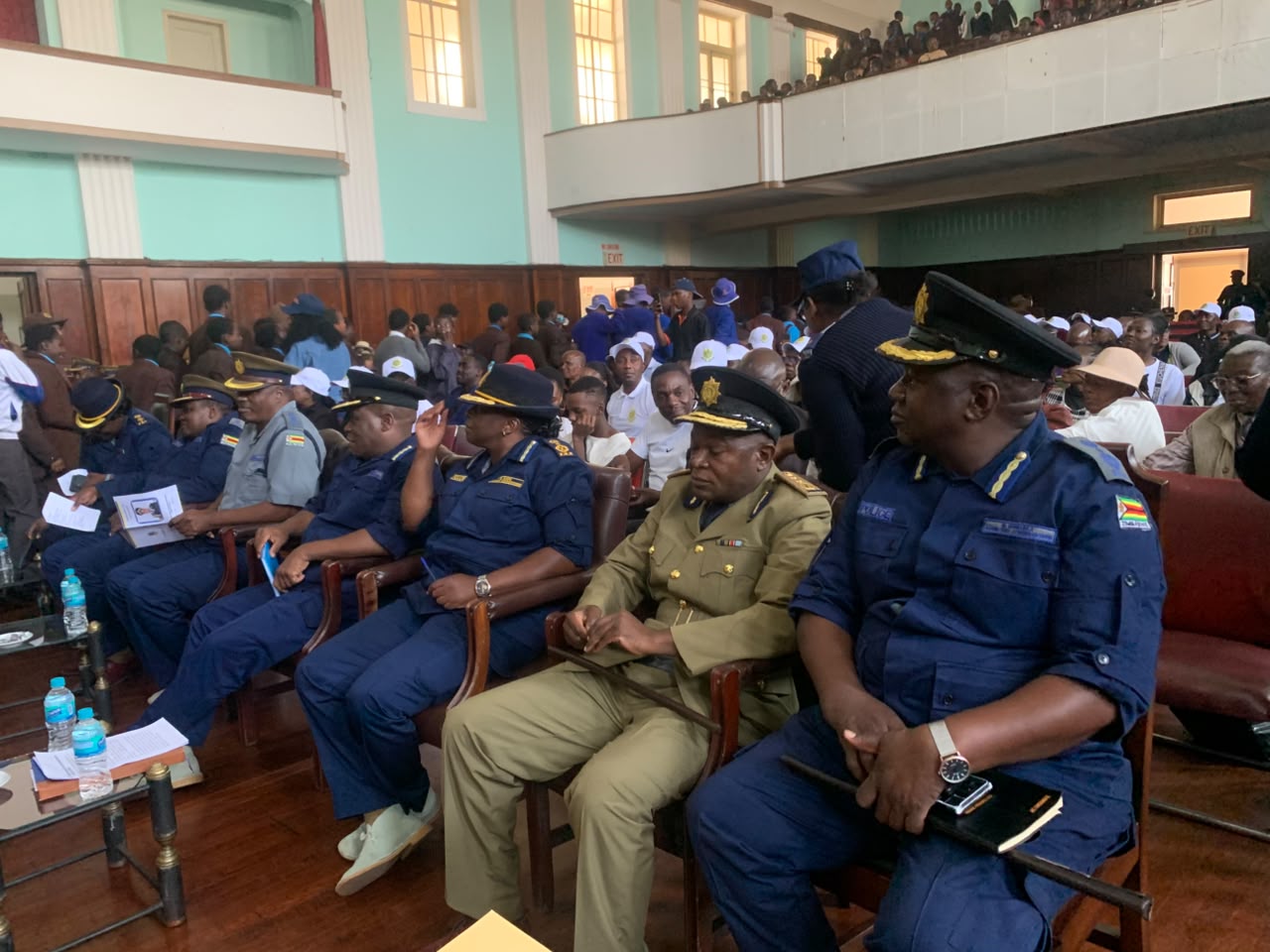
The initiative was unveiled yesterday during the launch of the Festive Season Road Safety Campaign at Gosha Primary School near Juru Business Centre. The event was attended by the Minister of Transport and Infrastructural Development, Felix Mhona and other senior Government officials.
During the launch, 10 of the 24 highway ambulances were handed over to the minister by the Insurance Council of Zimbabwe (ICZ), representing a partnership to bolster emergency response on arterial roads.
In his address, Minister Mhona said Government had approved a short-term framework to place ambulances equipped with medical supplies and personnel at all tollgates and accident-prone areas during this high-risk period.
“In that vein, the TSCZ has hired ambulances for that purpose,” he said, adding that the council would work closely with the Civil Protection Unit, the Ministry of Health and Child Care, and the Zimbabwe Republic Police (ZRP) to ensure the swift evacuation of casualties to medical facilities.
The minister announced a reinforced enforcement campaign, with multi-stakeholder teams from the ZRP, Vehicle Inspection Department, Road Motor Transportation, and the Traffic Safety Council of Zimbabwe (TSCZ) set to patrol roads.
“The police are under a strict instruction to arrest and refer for prosecution all motorists and road users who violate laid down regulations. We are going to have, as part of the teams, police officers on motorbikes patrolling the identified black stretches, as well as patrol cars carrying TSCZ officers. We have also deployed static teams at strategic points.
“May I remind all the transport operators, public service vehicle transporters and all those who continue to violate the Road Traffic Act that they risk withdrawal of their operator’s licences. The transportation industry and the provision of safe public transport require responsible corporate citizens. Public service vehicles should have speed-limiting and monitoring devices installed and should not over speed,” he said.
He further urged caution during the rainy season due to slippery roads and flooded rivers, emphasising that road safety is a shared responsibility.
He called upon passengers to avoid boarding overloaded buses, pedestrians to wear reflective clothing at night to enhance visibility, cyclists to wear helmets for protection, and urged all motorists to avoid speeding, overloading, using phones while driving, driving under the influence and using vehicles with defects.
TSCZ Managing Director, Mr Munesu Munodawafa, said the ambulances will be on the ready to attend to accidents.
“In this case, we have mapped about 24 such areas where we will have full deployment; in other words, there will be ambulances deployed within that region. In addition to that, we also have other ambulances that have been put on call-outs, in other words, they will respond as and when there is need.
And in that respect, for the full period we are looking at potentially over 400 callouts that we expect and we are saying the resources that have been deployed by the Government through the Traffic Safety Council and partners are already more than enough to cater for more than 400 callout in addition to the 24 ambulances that I was talking about,” he said.
Deputy Chairperson of the Insurance Council of Zimbabwe (ICZ), Mrs Alice Shumba, confirmed the 24/7 operation of the emergency number 591 and highlighted that the 10 deployed ambulances would focus on high-accident zones and areas with limited access to immediate medical aid.