Vusumuzi Dube
Getrude Chigerwe, Features Correspondent
AS Zimbabwe marks 46 years of Independence on April 18, the milestone serves not only as a celebration of sovereignty but also as an opportunity to assess progress in translating political freedom into inclusive and sustainable development.
Independence Day commemorations across the country honour the sacrifices of the liberation struggle that led to Independence in 1980. Today, the meaning of Independence is increasingly reflected in citizens’ daily experiences, particularly those of women and girls, whose empowerment is central to the nation’s development agenda.
Zimbabwe’s post-independence progress is anchored in Vision 2030, which seeks to transform the country into an upper-middle-income economy grounded in equity, inclusivity and shared prosperity. Within this framework, the inclusion of women and girls is recognised as both a constitutional obligation and an economic imperative.
Since the adoption of the 2013 Constitution, the Government has strengthened legal and institutional frameworks aimed at advancing gender equality. The Constitution guarantees non discrimination and equal opportunity, while institutions such as the Zimbabwe Gender Commission have enhanced accountability and oversight.
According to UN Women, approximately 66,7 percent of the legal frameworks required to promote and enforce gender equality are now in place, demonstrating steady alignment with international standards.
This progress has been reinforced through strong collaboration between Government and development partners. Working with line ministries, UN Women has supported implementation of the National Gender Policy, mainstreamed gender considerations in more than 100 institutions, and facilitated training for over 500 public officials in gender responsive planning and budgeting.
Economic empowerment remains a critical link between independence and development. Women play a vital role in Zimbabwe’s productive sectors, particularly agriculture, where they constitute about 42 percent of the labour force.
Beyond agriculture, women are prominent leaders in small and medium enterprises and the informal economy, driving cross border trade, retail and value addition activities that support households and contribute significantly to national economic growth.
To strengthen these contributions, the Government has introduced targeted measures to expand women’s access to finance and productive resources, with an emphasis on inclusivity and ensuring that no one is left behind.
The Zimbabwe Women’s Microfinance Bank, established in 2018, provides affordable financial services, particularly to women in rural and underserved communities.
For many beneficiaries, these initiatives have created not only financial support mechanisms but also pathways to economic independence and improved livelihoods.
These efforts are complemented by empowerment programmes such as the Women Development Fund, managed by the Ministry of Women Affairs, Community, Small and Medium Enterprises Development, and financing facilities offered by SMEDCO, which combine credit provision with training and business development support.
Zimbabwe has also made notable strides in girls’ education and health. The adolescent birth rate declined from 107,9 per 1 000 girls in 2017 to 86,8 per 1 000 in 2021, reflecting improved access to education and reproductive health services, both of which are essential for human capital development and long term economic growth.
The Government has intensified efforts to address gender based violence and eliminate harmful practices. A landmark Constitutional Court ruling in 2016 set 18 as the minimum age of marriage, effectively outlawing child marriage and strengthening legal protections for girls.
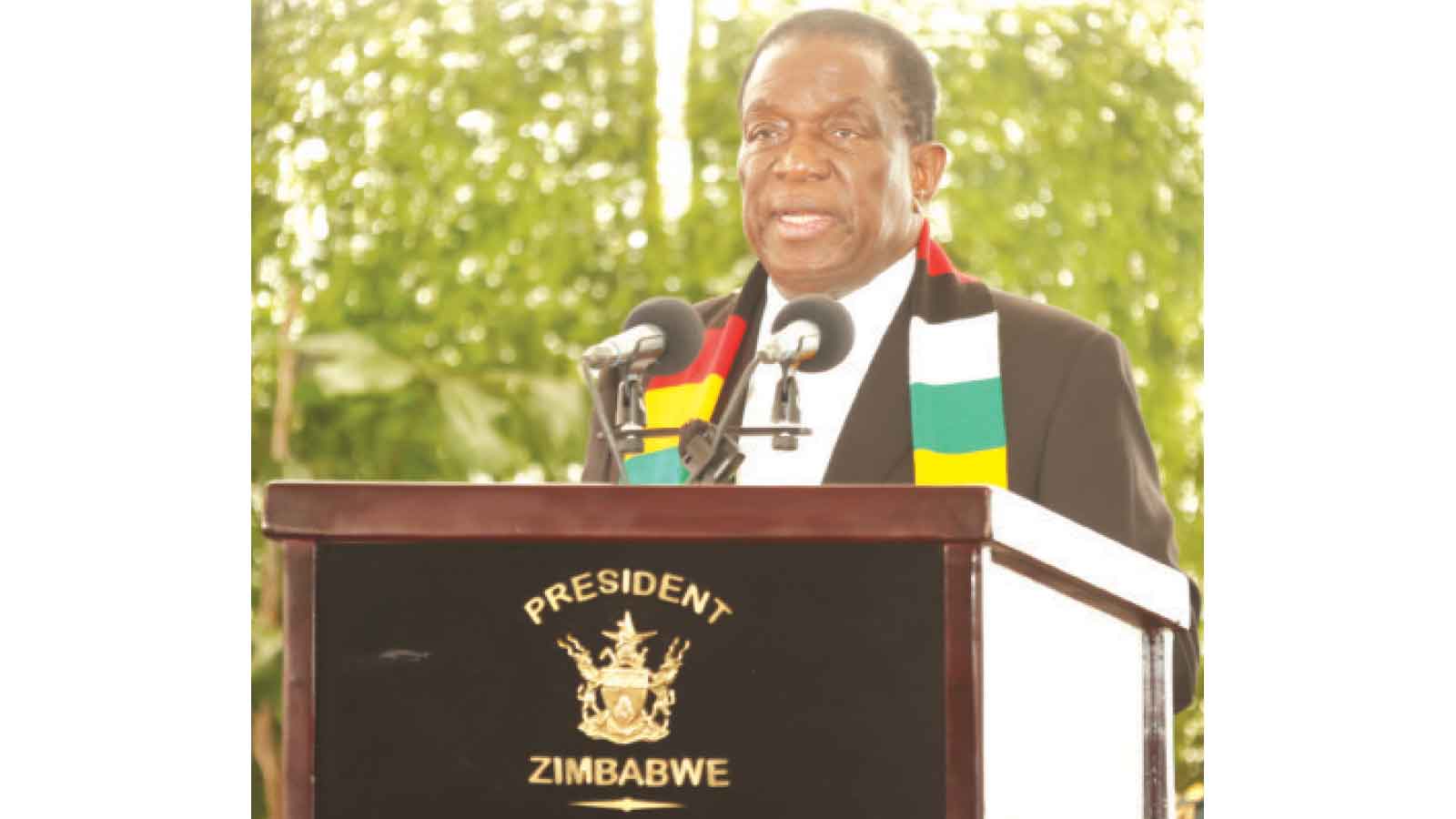
This commitment was reaffirmed in November 2021 when President Mnangagwa signed the High Level Political Compact on Ending Gender-Based Violence and Harmful Practices, supported by the United Nations and the European union under the Spotlight Initiative.
The Compact represents a whole of government approach aimed at accelerating prevention, strengthening accountability and mobilising resources, while aligning national interventions with regional and global frameworks.
Further progress was achieved through the Marriages Act [Chapter 5:17] (2022), which harmonised marriage laws and established 18 as the legal age of marriage and consent for both girls and boys, without exception.
Additional support is provided through the National Gender-Based Violence Strategy (2023–2030) and partnerships such as the Spotlight Initiative, now Sustaining the Gains, which work alongside United Nations agencies to strengthen institutions, expand survivor services, and promote positive behavioural change at community level.
As Zimbabwe celebrates 46 years of Independence under the theme “Unity and Development Towards Vision 2030”, empowering women and girls remains both a key measure of progress and a prerequisite for future success.
With strong legal and policy foundations largely in place, the next phase will require accelerated implementation, sustained investment and continued transformation of social norms that constrain women’s full participation and potential.
For Zimbabwe, empowering women and girls is not merely a social objective but a cornerstone of national development. As the country advances towards Vision 2030, the true measure of Independence will be reflected not only in policy commitments, but in the everyday realities of women and girls — whose opportunities, voices and potential must be fully realised.



 Online Reporter