


 Online Reporter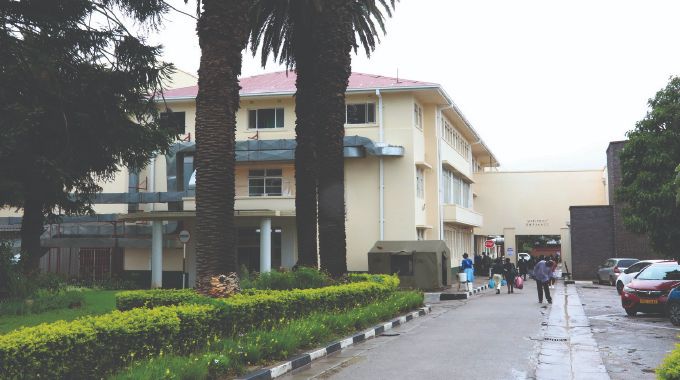
Robin Muchetu, Health and Gender Editor
MORE than 6 000 women attended the United Bulawayo Hospitals (UBH) Visual Inspection with Acetic Acid (VIAC) clinic in 2025 for cervical cancer screening with 5 500 agreeing to breast screening where three hundred women had breast problems requiring attention while 66 were diagnosed with breast cancer.
This has been made possible by the free combined cervical and breast cancer screening services offered at UBH where women are offered multiple services during a single visit to the hospital.
Dr Munyaradzi Magara, who runs the VIAC clinic at UBH, said the model was working well because women did not have to visit the hospital on different days for different services.
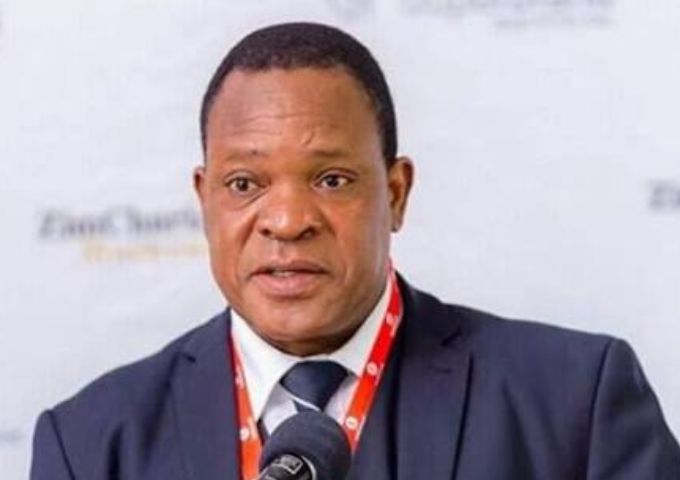
“Last year, 6 000 women came through the VIAC clinic. Of those, about 5 500 agreed to have a breast examination. About 300 were found to have some kind of problem and were referred to a clinic. Following further evaluations, 66 new breast cancers were diagnosed last year through this combined cervical and breast screening model. Patients are also still being diagnosed through the general outpatients department, that has not stopped,” said Dr Magara.
While some patients are diagnosed through the outpatients department, Dr Magara said they usually had advanced disease. The hospital wants women to seek help earlier, before the disease spreads.
“Some patients with breast cancer come through the outpatients department, but we have modified that model because most of those patients are at an advanced stage. More than 60 per cent come to us with advanced breast cancer, when we cannot do much to cure them.
“We manage their symptoms and can provide chemotherapy, but treatment is more palliative. In most cases, we are really just managing the symptoms of patients who come through the general outpatients department,” he said.
Women and men who notice any changes in their breasts have been encouraged to report to hospital as soon as possible.
Dr Magara said a recent masterclass at the institution, led by UK-based surgeons from the Association of Breast Surgery (ABS), provided an opportunity to train more breast specialists.
“It was about updating them and keeping them abreast of new techniques in breast surgery. This year, a new level of complexity has been added to the masterclass – reconstructive surgery.
“Importantly, we also received a donation of audio-visual equipment from the UK. It is now on site and we have been using it. This has enabled us to reach a larger audience of surgeons,” said Dr Magara.
The 20 surgeons taking part in the training were able to watch some procedures in real time from another location.
“While the operation was taking place in theatre, we were observing it here at the School of Nursing. The theatre is 400 to 500 metres away. We could hear the commentary and ask questions because we now have this equipment. That is important for expanding our training capabilities.
“Under normal circumstances, you cannot have 10 surgeons around the operating table. During this masterclass, only a few were in theatre, as is usual. You cannot enter the sterile field and so on.
However, 20 people were able to watch the operation, follow it in real time and ask questions, thanks to the donated equipment,” said Dr Magara.
Dr Dick Rainsbury, a specialist surgeon from the UK’s ABS, was training local specialists as part of the masterclass at UBH. He performed specialised breast surgery on a local woman with cancer, removing her breast.
“It just takes a while to do. The problem is that breast implants are not used in this country because they are too expensive for breast reconstruction. It is much quicker if you can insert an implant and create a breast straight away. Instead, you have to use tissue from another part of the body.
Common sites from which to take tissue are the abdominal wall and the back although tissue from the thighs can also be used.
“Although the operation may take three or four hours, the breast is removed and replaced with tissue from the back. Once it has healed, it lasts forever. It is your own tissue, it moves with you and ages with you,” said Dr Rainsbury.
“It also tolerates radiotherapy if that treatment is needed. It is a more complicated procedure, but it is an investment worth making. We are beginning a process of helping people such as Dr Magara and his colleagues learn these procedures and gain the confidence to perform them themselves.”
@NyembeziMu


 Temba Dube