

 admin
admin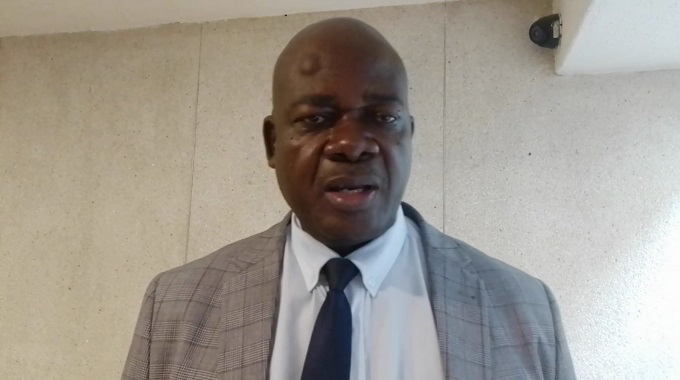
Herald Reporter
The budget for free primary education has now been set at $6,3 billion, allowing accelerated progress from the original pilot scheme, chairperson of the Parliamentary Portfolio committee on Primary and Secondary Education, legislator Torerayi Moyo has said.
Speaking on the sidelines of a review meeting on the Education Amendment Act, Mr Moyo said the Second Republic had prioritised education for all children.
“The Government, especially President Mnangagwa, promised Zimbabweans that in 2023 there will be free basic State-funded education and the Government has now availed $6,3 billion to provide free basic education, especially for primary learners,” he said.
The amendment Act came into effect in 2020 with the aim of protecting, respecting and fulfilling the right to education for all Zimbabwean children.
Mr Moyo said secondary and tertiary education funds will also be disbursed in due course depending on availability of resources.
He condemned schools turning away learners for non-payment of school fees, saying it was a violation of their right to education.
“When this term started, a number of students were turned away from school and we have a circular which has been put in place (Statutory Instrument of 2000) which gives penalties to heads and school development committees who are turning away students violating their fundamental right to education,” he said.
“As a committee we are recommending that the ministry of primary and secondary education should charge those who have a habit of turning away students.”
The meeting saw development partners such as Mashambanzou Care Trust, Catholic Agency for Overseas Development and other stakeholders in the education sector coming under one roof to give an in-depth analysis of the amendment Act since its inception.
Mashambanzou Care Trust executive director Constance Chigwamba called for the monitoring and implementation of the Act as it would provide concrete solutions in addressing the loopholes.
“Some of the issues we discussed include accommodating the girl child who falls pregnant wants to come back to school and including those children who are disadvantaged and have and have an added impact of costs for education through the CALA and extra lessons,” she said.
“These issues can only be addressed if implementation of the statutes which are already there is monitored and enforced.”



 Online Reporter