Mbulelo Mpofu in Johannesburg, South Africa
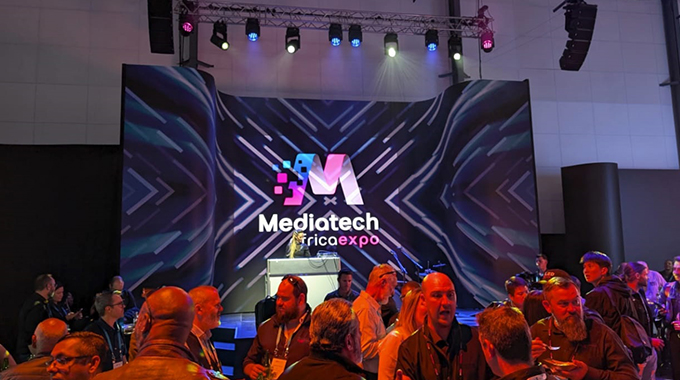
AFTER a seven-year absence, Mediatech Africa returned to Johannesburg this week, drawing thousands of visitors and exhibitors from across the continent and beyond.
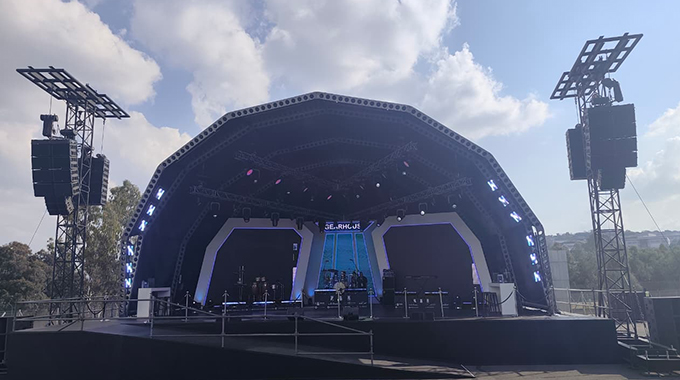
Held at the Kyalami Grand Prix Circuit and International Convention Centre from June 30 to July 2, the exhibition brought together professionals working in broadcasting, audio-visual technology, live events, content creation and digital communications, all eager to explore the latest innovations shaping their industries.
More than 500 international brands filled the exhibition floor, reflecting growing confidence in Africa’s technology and creative sectors. Widely regarded as one of the continent’s leading trade shows for professional audio-visual and broadcast technology, the event once again became a meeting point for manufacturers, distributors, broadcasters, creatives and technology specialists.
But beyond the impressive displays and cutting-edge equipment, the exhibition was also about people, ideas and opportunities.
One of the major talking points was a new digital signage programme hosted by industry publication invidis. During a panel discussion, South African industry experts Petrus Venter of Ethniks, Mohammad Bilal Sayed of Enra and Damon Crowhurst of Evexi shared insights into the realities of the digital signage market.
Rather than presenting a picture of explosive growth, the panellists described a sector growing steadily and pragmatically, shaped by infrastructure challenges, budget limitations and local market conditions.
A key message from the discussion was that technology solutions work best when they are designed around African realities rather than copied from other markets.
The exhibition also attracted delegates from several African countries, including Zimbabwe, where professionals from the media, marketing, visual communications, live events and sound engineering sectors attended to explore new technologies and build industry connections.
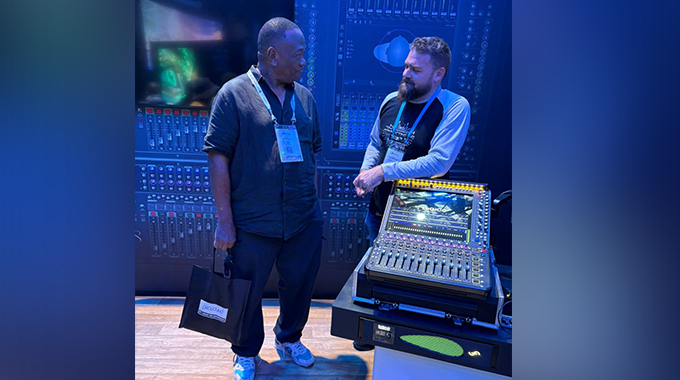
Among the Zimbabweans at the event were Winya Sounds founder Tendai Mudimu, Jomo Mhone and ILocate-Ent Group founder and chief executive Emmanuel Moyo.
For Moyo, the biggest takeaway was not the technology on display but the relationships built during the three-day exhibition.
Reflecting on the experience, he said the event highlighted the importance of collaboration among African professionals and businesses.
“The greatest value of the expo was the opportunity to build meaningful networks. These engagements opened conversations around knowledge exchange, investment, technology transfer and cross-border collaboration — elements that are essential for Africa’s sustainable development,” he said.
Moyo noted that the exhibition showcased a wide range of technologies, from advanced broadcast and audio-visual systems to emerging innovations such as artificial intelligence, virtual reality and augmented reality.
However, he said the real value lay in exposing African professionals to global standards and practical solutions that could be adapted to local markets.
For Zimbabwean delegates, the exhibition provided a glimpse into how rapidly technology is transforming industries ranging from broadcasting and education to live entertainment and corporate communications.
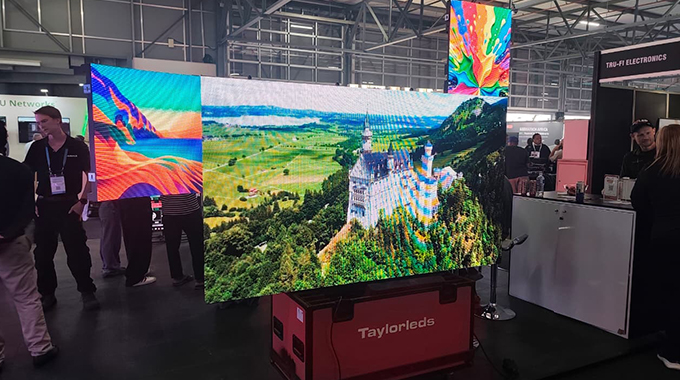
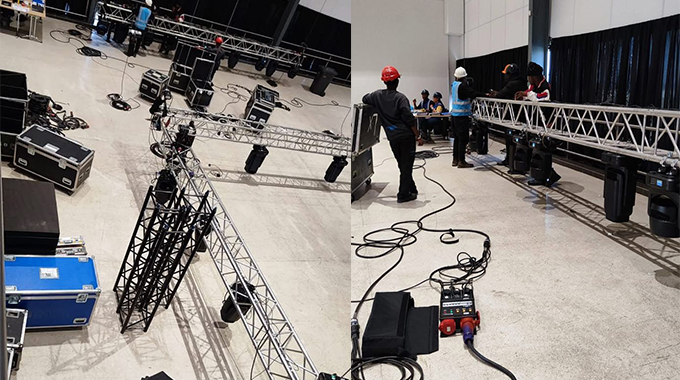
Across the exhibition floor, exhibitors demonstrated technologies designed for television studios, classrooms, boardrooms, stadiums, retail spaces and live event venues. What stood out was how these tools are increasingly becoming essential to modern business operations rather than optional extras.
The event also highlighted the growing need for technical skills as industries continue to embrace digital transformation.
For Zimbabwe’s expanding creative sector, keeping pace with these changes will be crucial. As demand grows for high-quality content production, digital communication and professional live events, access to modern technology and specialised skills could open new opportunities for local businesses and professionals.
Industry players believe regular participation in regional and international exhibitions can help Zimbabwean professionals stay informed about global trends while creating partnerships that support growth back home.
The event also reinforced the importance of local innovation. While much of the technology on display came from international companies, there was a strong sense that African businesses have an opportunity to develop solutions tailored to local challenges and operating environments.
As Mediatech Africa made its long-awaited return, it offered more than a showcase of the latest equipment and software.
It provided a window into the future of Africa’s broadcast, audio-visual and creative industries — sectors that continue to grow as technology becomes increasingly central to the way people communicate, create and do business.
For the Zimbabwean professionals who travelled to Johannesburg, the challenge now is turning the knowledge gained, technologies discovered and connections made into opportunities that can help strengthen industries back home.