Chronicle Editor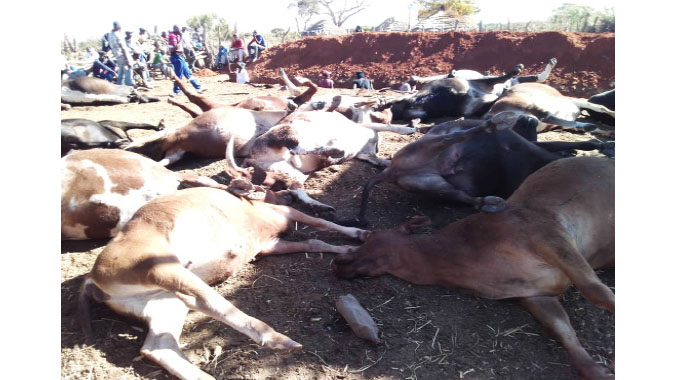
Peter Matika, [email protected]
THE Department of Veterinary Services has issued a warning regarding a sharp rise in cattle deaths in Matabeleland South due to the deadly January disease.
Daily mortality rates have reached as high as 89 cattle, prompting serious concerns.
Theileriosis, commonly known as January disease, has plagued Zimbabwe since 1936. Although it was successfully controlled in the mid-1950s, the disease resurged last year and has since caused significant losses for local farmers.
Theileriosis usually peaks in January, hence its name.
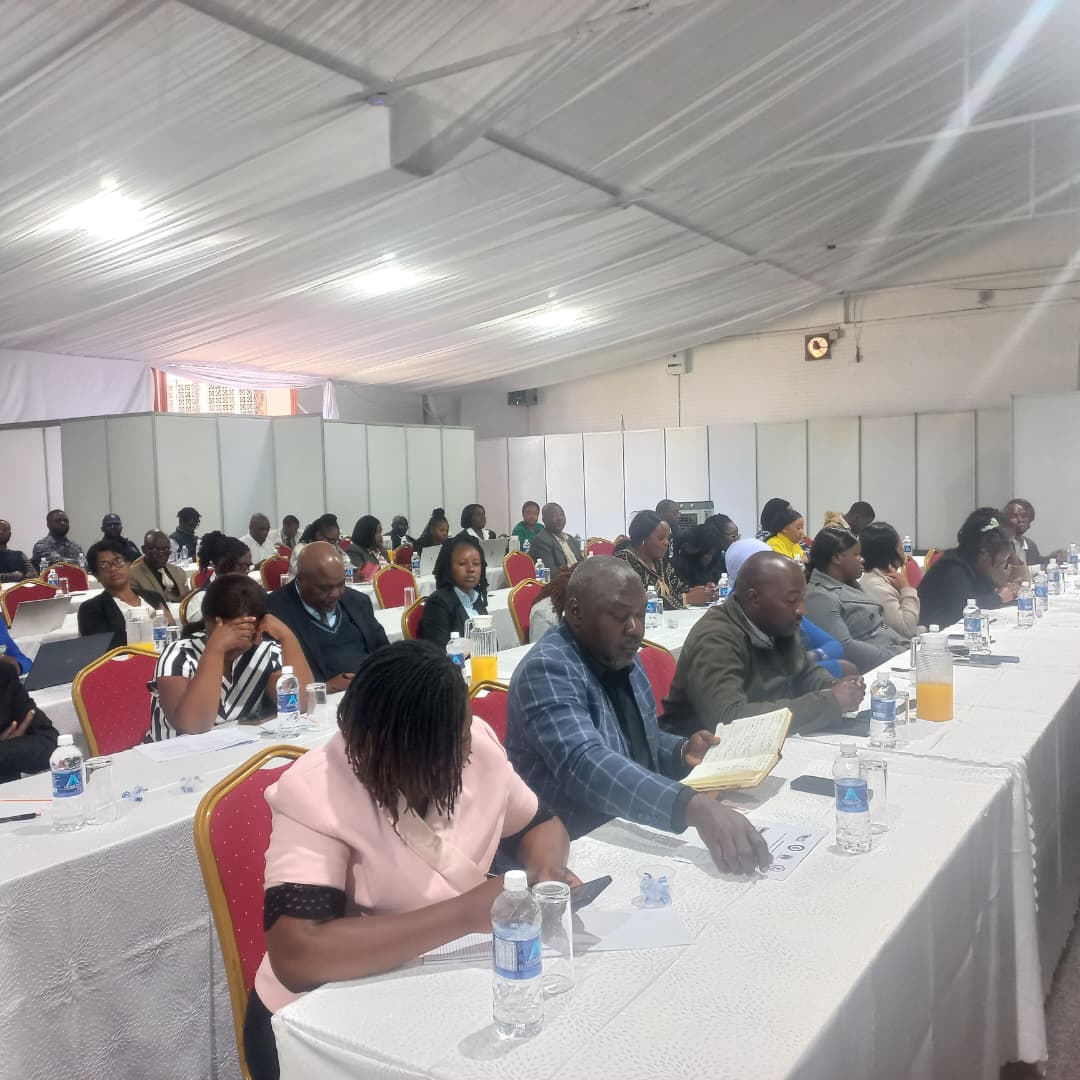
Matabeleland South provincial veterinary services director, Dr Enat Mdlongwa, revealed the shocking statistics during a livestock field day held at prominent cattle breeder and Esigodini farmer, Mr Obert Chinhamo’s Biano Farm in Umzingwane District on Monday.
“We have been recording startling statistics of cattle deaths in the province, particularly in Gwatemba and Nkankezi areas.
“We have recorded numbers of up to 89 cattle deaths a day. Believe it or not, that is the sad and strong reality. Farmers must adhere to Government calls to dip their cattle to avoid losses,” said Dr Mdlongwa
He also revealed that the Vet Department had received reports of the disease in Matabeleland North, especially in How Mine.
“This is a deadly disease and it’s worse than a thief or criminal. This will leave you extremely impoverished, and believe me, I have witnessed its devastating effects.
Farmers have been left impoverished and have nowhere to turn,” said Dr Mdlongwa.
Dr Mdlongwa stressed the importance of farmers regularly inspecting their cattle for tick manifestations to prevent the spread of January disease.
He explained that regular dipping of cattle is the only solution to avoiding losses, as well as monitoring the sale and movement of cattle.
“As farmers, we need to assume responsibility and be accountable for our livestock. Farmers need to be hands-on when it comes to controlling such diseases,” he said.

“You should be concerned when you see cattle coming from different areas or regions. Some of these are diseased and can affect the population of cattle in a certain area.
I am very passionate about this and I want all farmers in Matabeleland South to listen and understand that as the Department of Veterinary Services, we are available constantly to assist.
“Government has availed resources to mitigate the spread of this disease, but some farmers still do not respond on time until they have lost all their livestock,” said Dr Mdlongwa.
January disease is lethal and transmitted by brown ear ticks. The disease causes three different disease syndromes – East Coast Fever, Corridor disease and January disease.
Dr Mdlongwa said the disease has left a trail of destruction in its wake, with hundreds of livestock succumbing to its effects each week. He said the gravity of the situation has sparked concerns among agricultural experts and Government officials. Immediate action is imperative to prevent further devastation and safeguard the livelihoods of farmers in Matabeleland South. He said efforts are being intensified to combat January disease and alleviate the suffering of cattle in the province.
“The Department of Veterinary Services has been working tirelessly to contain the outbreak, but the scale of the devastation has proved overwhelming. We are facing an unprecedented crisis in our province as the January disease continues to claim the lives of our cattle. Each day, we witness the heart-breaking sight of our valuable livestock succumbing to this merciless illness, leaving us with immeasurable losses,” he said.
Dr Mdlongwa advised farmers to work closely with their veterinarians to get the best advice for their circumstances. The use of anti-parasitic drugs can be effective if treatment is done early while reducing stress on affected animals is very important to control the severity of the disease and the number of animals developing clinical signs. A united front of stakeholders is emerging to confront this unprecedented crisis.
“With determination and collective action, there is hope that the province will overcome this grave challenge and restore vitality to its agricultural landscape.
Dipping should be repeated when cattle are rained on within 24 hours of dipping. They should also be inspected for ticks two to three days after dipping, especially inside the ears, under the tail, on the udder and the tail brush,” said Dr Mdlongwa.
In the event of an outbreak, he said a quarantine order is instituted for 28 days with a 5-5-4 dipping interval, effected concurrently with the application of tick grease during that period.
Dr Mdlongwa said January disease can be controlled through regular dipping and tick grease application, vaccinating animals, and allowing minimal exposure to ticks during low-risk periods to encourage the building of immunity in calves.



 Online Reporter