

 admin
admin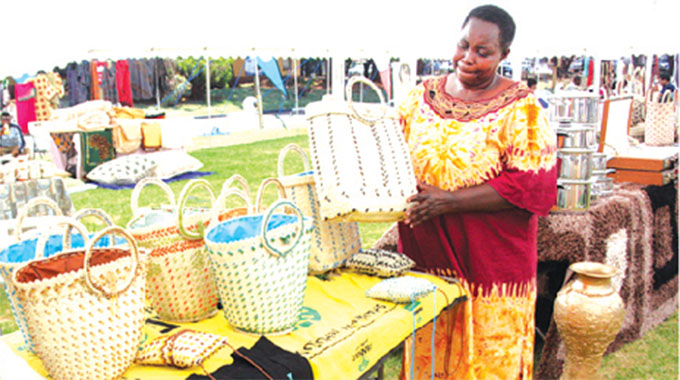
Business Writer
AT least 94,3 percent of Zimbabwe’s economically active population is employed or self-employed within the formal and informal sectors, giving an official unemployment rate of 5,7 percent, according to the World Bank.
The bank revealed this in its 2020 annual report released recently where it also indicated the unemployment rate in Southern African Development Community.
The multilateral financial institution indicated that the neighbouring South Africa had an unemployment rate of 28,7 percent, Lesotho (24,6 percent), Eswatini (23,4 percent), Namibia (20,4 percent), Botswana (17,7 percent), Zambia (12,2 percent), Angola (7,7 percent) and Mozambique (3,4 percent).
Economic commentator, Wendy Mpofu, said given that a majority of the population of Zimbabwe’s population is employed in the informal sector, this means that the country has adopted an economic empowerment policy to shrug-off unemployment engendered by the effects of illegal sanctions imposed on the country.
“While the Government has over the years been punished for embarking on the Land Reform programme through sanctions, it has deliberately promulgated empowerment policies aimed at creating employment in the informal sector.
“I think this is where the World Bank is basing the country’s rate of unemployment on,” she said.
Over the years, the Government has recognised the critical role played by the informal sector towards contributing to the Gross Domestic Product and the fiscus.
In this context, Government has started registration of the informal sector to enhance its contribution to economic development.
According to official figures from the Zimbabwe National Statistics Agency (Zimstat), in 2019 the informal sector dominated employing 2,2 million people or 76 percent of the 2,9 million earning a living within the sector.
In addition, the 2019 Labour Force and Child Labour Survey report revealed that at least 2,9 million of the 3,4 million economically active people were employed under the new internationally agreed definition of employment, which classifies employed persons as all those of working age from 15 years and above who produce goods and services for a profit.
The Government has opened the economy to all Zimbabweans and areas where the majority have secure employment include the agriculture sector, mining and general informal sector.


 Online Reporter