admin
admin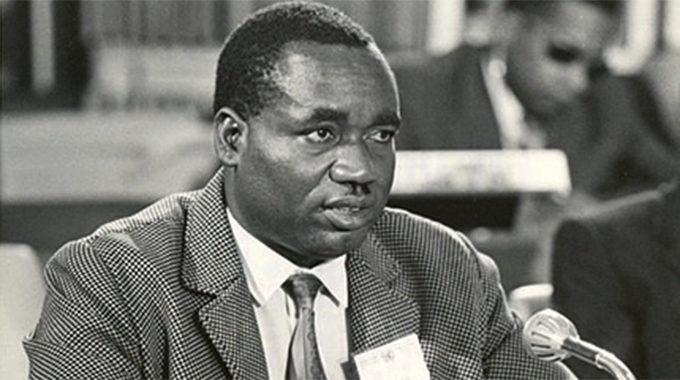
The Herald, September 5, 1980
ZIMBABWE’S new Government has already launched into an urgent programme to renew the country’s rural communication network damaged during the war, a Government Minister said yesterday.
Mr George Silundika, the Minister of Roads and Road Traffic, Posts and Telecommunications, said in a statement that telephone links were being restored in remote areas, and roads regraded to allow vehicles – particularly buses – to pass.
However, Mr Silundika stressed that money was a limiting factor on the reconstruction of Zimbabwe’s rural infrastructure, but the $2,5 million allocated to his Ministry for use during the current financial year would suffice to begin up-grading rural roads to high all-weather standards.
The Minister also said efforts were being made to reopen all the postal agencies closed down during the war because of damage or failing businesses.
Postal facilities were to be established wherever they were required, as soon as funds became available, he said. – Iana.
LESSONS FOR TODAY
- Upgrading of rural infrastructure is vital to ensure the country’s development because most of the raw materials such as agro produce and minerals are all found in the rural parts of the country.
- The provision of modern infrastructure in rural areas is key to lessening rural-urban migration, which has resulted in the overpopulation of towns and cities and a strain on infrastructure.
- The Second Republic is addressing this through devolution which has seen the decentralisation of critical services and infrastructure to different parts of the country.
- The provision of ICT and telecommunication infrastructure to rural areas is also important in the wake of the technology age which has altered the way of doing things.
- In this regard, the Government through the Postal and Telecommunications Regulatory Authority of Zimbabwe is rolling out information kiosks using ZimPost’s vast branch network, while the President is spearheading the establishment of ICT labs at rural schools to facilitate e-learning.
- In addition to the tradition telephones, mobile service providers – Econet, NetOne and Telecel – have been setting up base stations across the country to enable people to communicate via mobile phones.



 Online Reporter