Online Reporter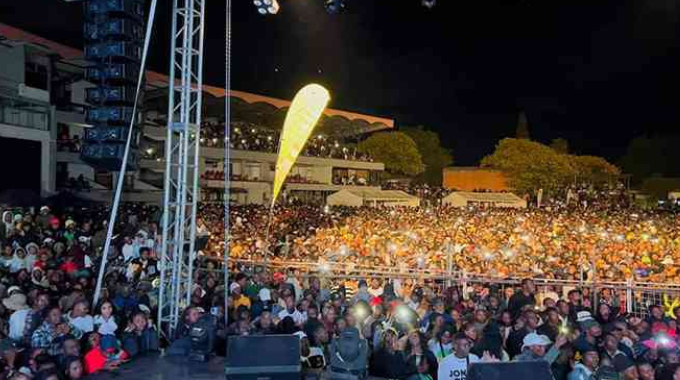
Bruce Ndlovu, Sunday Life Reporter
FOR many Zimbabweans earning a living abroad, the festive season offers a chance to return to familiar surroundings and recharge before another year away from home.
It is a time to make merry and reminisce, sharing stories of the past while celebrating the present. For most, this annual ritual unfolds each December, when spirits are high and good cheer spreads with ease.
It is an age-old tradition, born in a time when breadwinners worked in distant urban centres while families remained behind, counting down to their promised return during the holidays.
That tradition endures today, carried forward as Zimbabweans scatter across the globe in pursuit of the fabled greener pastures, yet still find their way home when the festive season arrives.
For reasons best known to them, some Zimbabweans in the diaspora do not necessarily follow this tradition in its strictest sense. Some skip a year or even more, as work or personal commitments prevent them from making the annual pilgrimage to the land of their mothers and fathers.
Of course, there are also the wayward who get swallowed by the bright lights of foreign lands and forget to touch base with their countrymen.
For prodigal sons and daughters returning home after a lengthy period away, this festive season is likely to come with a few surprises. In Bulawayo, expatriate imbibers and those seeking entertainment after spending a few years away will find that the landscape has undergone a complete transformation in their absence.
The nightclubs, pubs and shebeens they used to frequent before they left, or visited during their last time in the city, have been closed or repurposed. As the city continues to redraw and redesign its landscape, we look at the surprises that await expatriates who were last in the city a long time ago.
The kasi takeover
Five years ago, it would have been reasonable to assume that most of Bulawayo’s trend-chasing young people would spend the festive season in the eastern half of the city. From the end of the colonial regime, which had decreed that the country’s Black population could only drink and party in designated spots in western suburbs, places of leisure in Bulawayo’s Central Business District and beyond have always held a certain allure for both young and old.
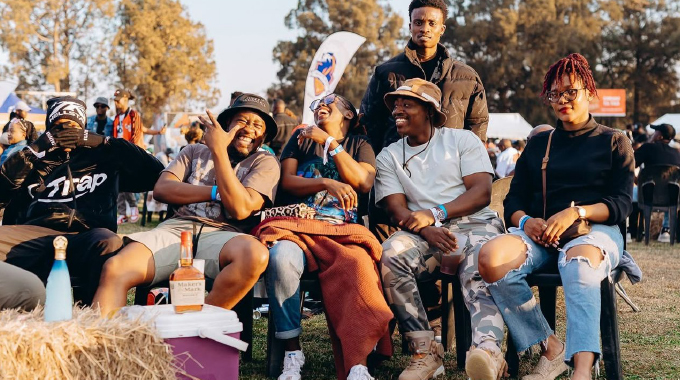
Over the years, the townships became associated with a poorer standard of entertainment, as it was widely assumed that one could only have the best fun in nightspots located in the eastern half of the City of Kings. Over the last few years, that has changed.
The Covid-19 pandemic drastically altered habits in the city, leading to the birth of a vibrant township showbiz economy as people sought entertainment nearer the comfort of home.
While the township has always held a certain level of attractiveness for those seeking a good time, recent years have taken this up a few notches, as some nightspots begin to lure clientele away from the posh clubs and pubs. Joints like KoSamuriwo in Luveve and Chicken Corner in Tshabalala have become go-to places, both during the day and at night.
What makes the rise of these spots even more remarkable is how they have reversed the long-standing flow of young people from the township to the eastern suburbs. As the reputation of these new joints continues to grow, it is only natural that any adventurous expatriate worth their salt would want to experience first-hand what all the excitement is about.
Munching and sipping
Those returning from the diaspora after a long absence may be surprised to find that Bulawayo, long proud of its reputation as the country’s party capital, has quietly changed character.
Not so long ago, the city was a true night creature: calm and unassuming during the day, only to spring to life as midnight approached.
This was the era when Bulawayo’s nightlife defined its social heartbeat. From Paparazzi and Hustlers to Kudu Bar and Eden, the city’s nightclubs catered to every taste, offering revelry that stretched deep into the early hours. Back then, if you were looking for a party, Bulawayo never failed to deliver, loud, lively and unapologetically nocturnal.
Over the last few years, however, the landscape has shifted. Joints that open and close early have become staples for fun-lovers and revellers in the City of Kings. Instead of a dance floor, they offer patrons a table and dedicated service from waiters and waitresses who always aim to please.
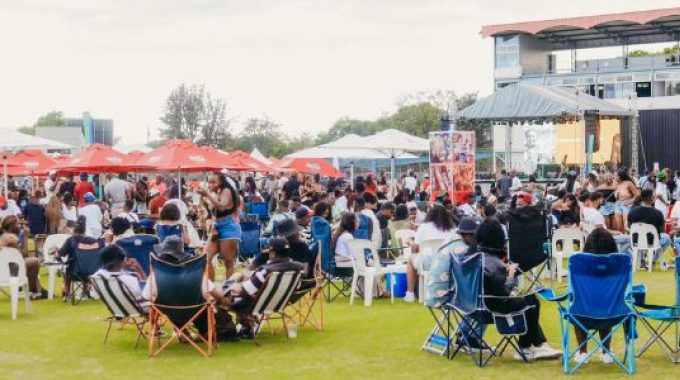
While Bulawayo still boasts its fair share of high-octane nightclubs, the spotlight has gradually shifted to venues that have broken with tradition and redefined how the city socialises.
These new joints have carved out a space where atmosphere, experience and connection matter as much as the music, signalling a quiet but unmistakable evolution in Bulawayo’s social life.
A homecoming with a difference
Those ignorant of developments in recent years will, of course, enquire about dates for Oskido’s Kalawa Homecoming. Once upon a time, this event was the highlight of the festive season in Bulawayo, bringing together some of the brightest stars from Mzansi who tagged along with Oskido on his annual pilgrimage to his birthplace.
Aptly named “The Homecoming,” the gig attracted Zimbabwean expatriates in droves, crowning their festive return home. Years after its last edition, the Homecoming is now a fading memory, much to the disappointment of many who adored it for its ability to attract the cream of the showbiz crop.
However, those seeking a good time during the festive season need not despair. Events like the Bulawayo Shutdown have since tried to fill the gap, walking in the shoes of a giant that once seemed irreplaceable.