Online Reporter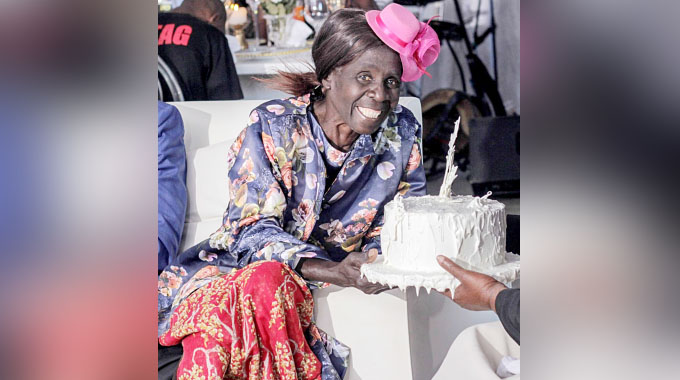
Stanford Chiwanga, [email protected]
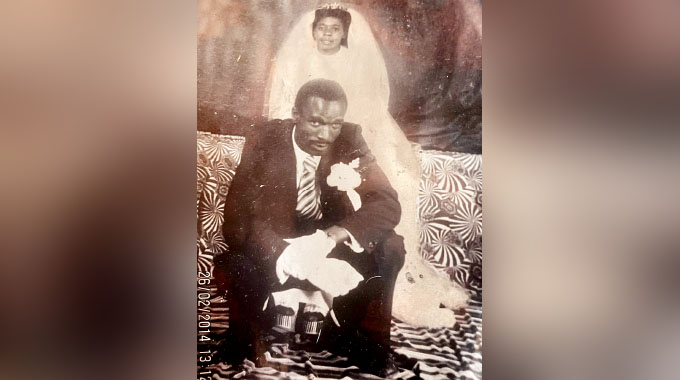
IF I were asked to describe my idea of a virtuous woman, I wouldn’t hesitate for a moment. I would introduce the world to my late mother, Beverly Esther Chiwanga. She was more than just a woman; she was a force of nature packed into a petite frame.
From the moment I was born, I knew the unwavering love of a mother. She poured everything into me, so much so that my brothers jokingly worried she was turning me into a spoiled brat. I never wanted for anything, yet thankfully, they never treated me like the biblical Joseph — my mother saw to that. She raised four boys who didn’t, and still don’t, know the meaning of jealousy or envy. I grew in wisdom and stature, and, I hope, in favour with both man and God.
How did she manage to raise such well-behaved boys? She certainly wasn’t afraid to use discipline. My mother never spared the rod, or rather, the chomolia kale stalk. If I strayed from the path of righteousness, I knew I would be in trouble. Her favourite weapon wasn’t a belt, but that sturdy vegetable.
Crucially, she never punished me in anger. She waited until her temper had cooled, and then, after I had finished my homework and eaten supper, she would call me into her bedroom and deliver her own brand of justice. Even today, the thought of that chomolia stalk is enough to deter me from any wrongdoing.
But don’t get the wrong impression. Beverly Esther Chiwanga wasn’t a tyrant. She was fair, and despite her boundless love for me, she never wanted me to hide behind her skirts. She encouraged me to explore the world, and explore it I did, with my friends Damson Phiri and Nguquko Mpala. From Grade Five onwards, I was free to leave the house at 8am on weekends and not return until 5pm, covered in dirt. This often earned me a telling-off and the occasional smack for being late, but she never discouraged my curiosity.
The National Railways of Zimbabwe (NRZ) station was a familiar haunt even before I learned to read and write. The Barham Green swimming pool was a regular destination during my primary school years. The Delta Beverages factory in Belmont was another favourite. If you were lucky, a kind worker might give you a drink, taking pity on us scruffy boys who had walked all the way from Sizinda, braving the dangerous railway line and the surrounding bush where, sadly, women were often raped and killed, and men were mugged and murdered. The area around the Cold Storage Company (CSC) was another popular spot for our adventures.
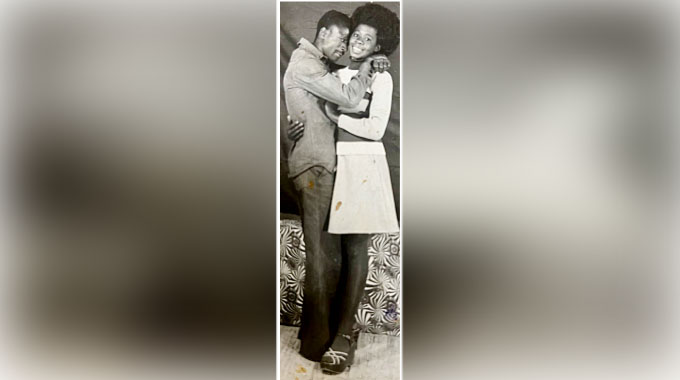
You might wonder why we were so relentlessly curious and nomadic. It wasn’t planned. We were on the hunt — for birds, grasshoppers, anything! These expeditions took us far and wide, and we rarely returned empty-handed. This, of course, exposed us to all sorts of perils — snakes, scorpions, bees, the occasional dodgy character, and the inevitable bully, whom we usually managed to outsmart. I’m convinced that if my mother had stifled my curiosity, I wouldn’t be the man I am today.
Some might ask where I get my writing skills and way with words. The answer might be surprising. It wasn’t from the newspapers my father bought daily, or the novels my brothers devoured. It was from the letters my mother and I exchanged. Her English was excellent, and I always tried to emulate her style. I could even venture to say she was a better writer than my father, though I am sure he will vehemently disagree.
Another invaluable lesson my mother taught me was the importance of hard work and industry. She didn’t just talk the talk; she lived it. Until her dying day, she was always busy. She was the first up in the morning and the last to bed. Even when she was ill, she kept going. She put the Proverbs 31 woman to shame. When my dad left his job at the NRZ and moved to Rukweza while I was still in primary school, my mum stayed behind for my sake. She sold bread to pay for my education, struggling tirelessly, but never giving up. Today, I have a diploma, a degree, and a master’s, all thanks to her sacrifices.
From all this, you might picture my mother as a stern, humourless woman. Far from it. She always had a smile on her face and a wonderful, infectious laugh. It was so distinctive that she became known for it in the church and the wider community. Everyone loved her for it. Aptly enough, we buried her next to one of Zimbabwe’s best comedians, Gringo. If I didn’t believe that the dead know nothing, I would be certain she is enjoying his endless jokes right now and laughing her head off.
I don’t remember my mother ever arguing with anyone. It’s because of her that I avoid confrontations, hold no grudges, and forgive easily. But don’t push me, I pack a mean punch. Sadly, one thing I have never managed to emulate is her smile. It just doesn’t come naturally to me.
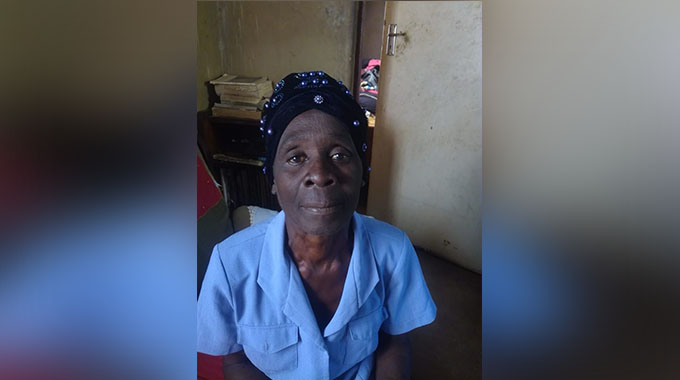
But don’t mistake her smile and laughter for weakness. She was fierce when necessary. I remember one occasion when my brother had given me a beating. She promptly created a makeshift boxing ring in the bedroom, hitched up her skirt, and challenged him to a fight, telling him to act like the man he thought he was. Another time, she confronted a man who had stolen my bike. I have never seen such a big man shrink before a woman like that. Her courage was contagious, and from that moment on, I never let anyone bully me. She taught me to fear no one, a lesson that served me well when I started at Ihlathi High School, which was notorious for its bullies back then. In our first week, my friends Damson, Nguquko and I quickly put them in their place. Word soon spread about the Sizinda boys who weren’t afraid of anyone.
It’s impossible to list everything my mother did for me, but I have always tried my best to repay her for her sacrifices. I even built a house for her in her rural home of Rukweza, though sadly, she didn’t live to see it furnished. My dream was for her to relax on a brand-new leather sofa, sleep in a king-sized bed, and enjoy Nigerian and Indian films on DSTV, all powered by a state-of-the-art solar system.
This February, the drab grey exterior was finally going to be transformed. Her favourite colours — white, cream, and black — were going to grace the walls. I wasn’t entirely sure how they could work together, but I was determined to make it look fantastic. I pictured us both laughing at the result, knowing she would tease me mercilessly about my lack of understanding when it came to feminine colours. But, as they say, “we make plans and the gods laugh at us.”
Rest in peace Beverly Esther Chiwanga, born May 29, 1963, dead February 7, 2025.