

 Vusumuzi Dube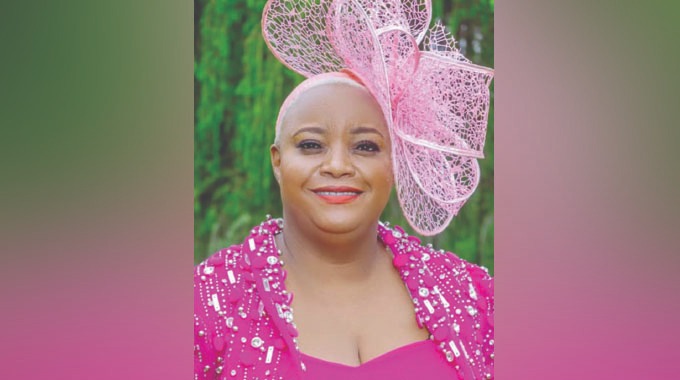
Robin Muchetu, [email protected]
IN Sipho Mazibuko’s words, “What happened for Ingutsheni on Friday was a miracle”.
President Mnangagwa, with a gesture as decisive as a sunrise, donated US$1 million towards the rehabilitation of the country’s largest psychiatric hospital, and went further still, pledging to repair every vehicle in its fleet so that care, dignity and safe transport are never in short supply when patients need them most.
Other business people, corporates, universities and well-wishers added their voices to the chorus of generosity, contributing a further US$1.1 million and turning an ordinary day into one that will be spoken of in grateful tones for years to come.
Mazibuko, a mental health advocate and founder of the Mental Voices Trust, could scarcely contain her joy; the President, she said, had reached into a tender place in her heart. A survivor who first entered Ingutsheni’s care in 1998, she felt — at last — that the institution had been seen, heard and remembered.
“Ingutsheni has been forgotten for years. I even used to question why the National Budget has lower allocations for it, and I do not know why mental health has been on the back burner for years. But it seems they have now realised they had to do something. This is out of the ordinary, raising more than
US$2 million in one day for Ingutsheni, that was a miracle and I would like to thank the President for this fundraising luncheon,” said Mazibuko.
Mazibuko, who speaks candidly about her journey and her several admissions, sees the hospital’s broad acres as a canvas waiting for colour. With the farming implements donated by President Mnangagwa, those fields can pulse with life and purpose, and patients can find recovery in the rhythm of the soil.
“There is a lot of land that we can turn into a nutritional garden. I say ‘we’ because I am part of the patients at Ingutsheni. Once you have a mental disorder, you can relapse and go back; you are a patient for life. I am out here, it is called leave of absence because I’m feeling okay and I am taking my chronic disease medications, I have bipolar disease for life. The other male patients that are there will benefit from occupational therapy, there is therapy that comes with being occupied than just sitting idle, taking medication in the wards, doing nothing,” she said.
She knows, from lived experience, that food is medicine’s faithful companion; a nourishing plate steadies the body against potent drugs and restores a sense of normalcy that illness can so easily steal.
“During my days at Ingutsheni, we used to eat beef, chicken, beans, lots of vegetables. There was variety, but over time it changed. I visit there always; it has become my home. Once a year, I hold a Christmas party for the patients through support from donors.
“However, some people are forgotten, relatives come with fake addresses when they admit their relatives there and never return. When that person recovers, they have nowhere to go,” she lamented.
Mazibuko believes the President’s intervention shows a promise honoured, not merely spoken, and a policy brought to life in deeds rather than pamphlets.
“The President coined the mantra ‘leaving no one and no place behind’ and he lived up to it,” she added.
Her own story echoes that of many women who pass through Ingutsheni’s gates; for them, the funds pledged are not numbers but new possibilities — of safety, stability and healing that lasts.
“I went through sexual and emotional abuse, and it left me at Ingutsheni, so there is a lot that takes women there, so when we have proper food and adequate resources, we recover well. Some well-wishers donated food at the luncheon and it will go a long way in terms of medication intake, as you must have a full stomach when you take the drugs,” she added.
The need, she reminds us, stretches well beyond Bulawayo. Across Matabeleland and the southern region, lives depend on swift, dignified transport to care; the promised repair of ambulances will mean fewer journeys delayed, fewer crises endured, and more people safely guided to treatment.
Furthermore, she said it is prudent that President Mnangagwa visited the institution, stripping away the stigma it is always associated with.
“No President has visited this place until now. I heard of a few Ministers, which is not enough. People shove mental health to the sidelines. Ministers seldom come here; it is in the closet, it is like a curse, and we are stigmatised.
“When I was admitted again in 2011, the media had a field day, I was on the front pages ‘Sipho Mazibuko is mad’, they even said I have schizophrenia, the worst form of mental disorder. What I went through wasn’t easy,” she said.
She added that she was happy to see President Mnangagwa taking time to visit the hospital and lead in fundraising for the patients.
“Leaving everything on his diary, he has many things to do, coming all the way to Bulawayo to give Ingutsheni US$1 milllion, who has ever done that? What he did was unexpected, I never thought he would one day come, I was shocked when I saw the advert for the luncheon, President, eIngutsheni, njani? I am happy he really appreciates a place like Ingutsheni, a place of healing. I can safely say the doors have been opened,” she said.
To add her voice and weight to the momentum, Mazibuko promised something practical and intimate: dignity for women, month after month, in the form of essentials too often overlooked.
“The panties will assist with a donation worth US$1 000 of period panties and soap to help the women when they are menstruating. They are reusable even when they are discharged, they take them home, and it is cost-effective too,” she said. —@NyembeziMu


 Online Reporter