Bruce Ndlovu [email protected]
WHILE thousands of his fans are clamouring for his return, hoping to see him perform one last time, Sibonokuhle Sibanda has a different reason for wanting music legend Lovemore Majaivana back in Zimbabwe.
She hopes to finally meet a man she believes is her long-lost grandfather.
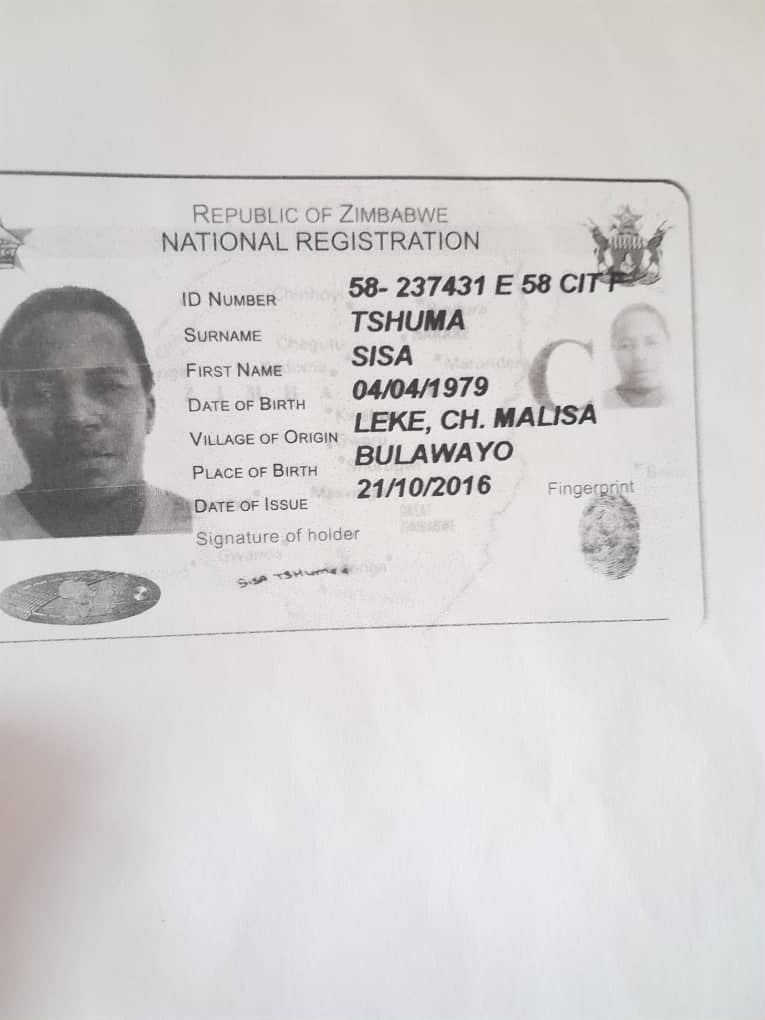
According to Sibonokuhle (23), her mother, Sisa Tshuma, died in 2024 without ever getting the chance to meet the man she believed was her father. Majaivana, whose real name is Lovemore Tshuma, left
Zimbabwe at the turn of the century and has not returned since.
Widely regarded as one of Zimbabwe’s greatest musicians, Majaivana has repeatedly turned down attempts to lure him back for even a single performance in his home country. It is believed that he is now a man of
God in the United States, where he settled after walking away from music, reportedly dissatisfied with the industry.
More than two decades after his departure, Sibonokuhle is now desperately trying to reach the music legend in the hope of resolving a family mystery that troubled her mother until her death.
Sibonokuhle, who lives in Crossroads, Silobela, a farming and mining community in Kwekwe District, Midlands Province, said her mother’s story began in the 1970s, when her grandmother, Cecilia Moyo, worked in Bulawayo’s affluent eastern suburbs.
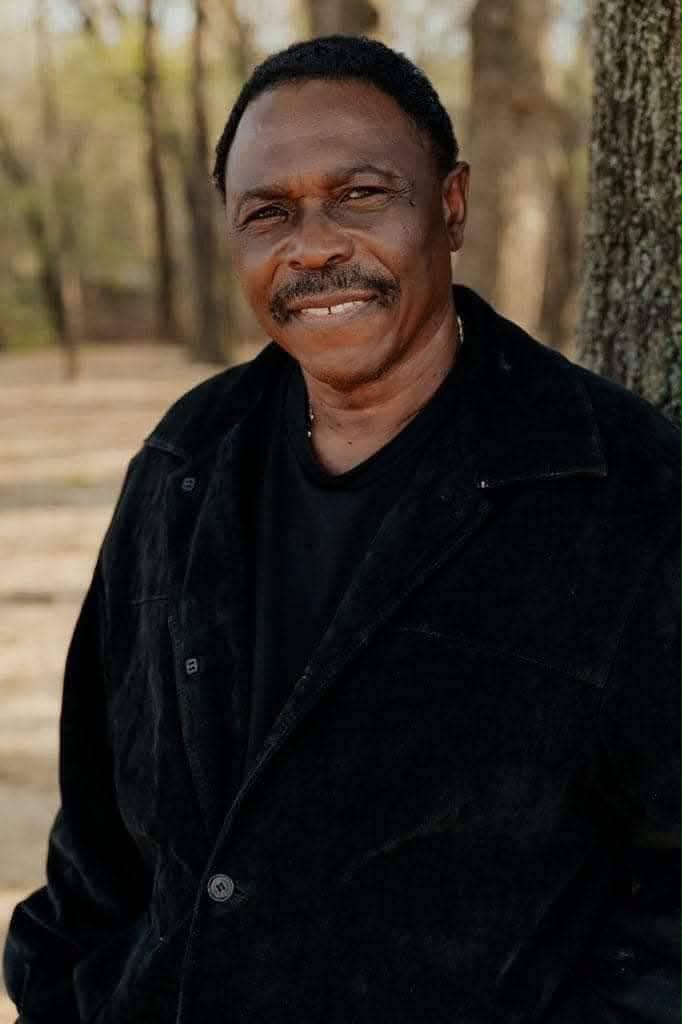
“My mother was born to Cecilia Moyo in 1979. My grandmother (Cecilia) used to work emayadini (western suburbs) koBulawayo, and that is where she met Lovemore Majaivana,” she told Saturday Chronicle in an interview.
“During their relationship, they had a child, Sisa Tshuma. He left after she was born, and she never saw him again. She did not see him until she passed away. My wish is to speak to him and tell him how and where his child was lost.”
Sibonokuhle said her Sisa’s search for her identity had been complicated by the death of her own mother, Cecilia, when she was just three years old. As a result, Sisa grew up knowing next to nothing about her paternal family and spent much of her life trying to establish her roots.
Although she carried the Tshuma surname, she did not know who her father was or where to find him.
“She never knew who her father was because her mother died when she was only three years old. Her aunt kept the information from her and only revealed what she knew when my mother started experiencing problems that were being linked to her roots.
“She had no clue at all until she started having these problems. All she knew was that her father was a man with the Tshuma surname because that was the name on her birth certificate,” she said.
Sibonokuhle said it was during this difficult period that her mother’s maternal aunt, who lived in Bulawayo, came forward with information about Sisa’s father.
“My mother had a lot of problems and they seemed to be related to ancestral spirits. We are black people and sometimes you find yourself having a lot of spiritual problems and you are told they are related to the fact that you don’t know where you come from or who your people are.
“Her mother’s elder sister, who resided in Bulawayo and was called NaNqo, came and said she knew where we could find Sisa’s kin. She is the one who started the process of helping my mother find her people because she said she knew what had happened in the past, having been there when everything was happening,” she said.
However, Sibonokuhle said her mother’s attempts, together with those of her great-aunt, to establish contact with Majaivana’s family were unsuccessful.
She said the pair had approached the musician’s mother, Gogo MaNyathi, but were met with a rejection that left Sisa deeply hurt.
“She went to her father’s home in Bulawayo and that is where she met Gogo MaNyathi. She said she did not know her and questioned why she was now looking for her father so late in life. She said she should have come home sooner, when she was younger.”
An attempt by Saturday Chronicle to get a comment from the musician’s family in Makokoba was unsuccessful, as a family member said they were not permitted to speak to the media about such matters. Efforts to get a comment from Majaivana himself also hit a brick wall. Since his departure from Zimbabwe, the musician has famously rejected any approaches by media houses for interviews on any subject.
For Sibonokuhle, her mother’s rejection by what she believed was her paternal family was a painful chapter in a search that remains unfinished. She fears that the continued absence of her mother’s paternal family could also affect future generations.
She said there was also a traditional obligation that her family hoped to fulfil, with her father wishing to pay lobola for her late mother to her paternal family. However, the absence of a relationship with that side of the family had made the process difficult.
“We wish to have a chance to speak to him. Our wish is for my father to pay lobola for her to her family because this is something that had never been done.
“Like I said, my mother was a very spiritual person who had a calling, and we fear that if this is not done while my father is still here and alive, it could cause problems in the future. This was always her cry right up until her death. She said she wanted to be found and accepted by her people so that the lobola could be paid,” she said.
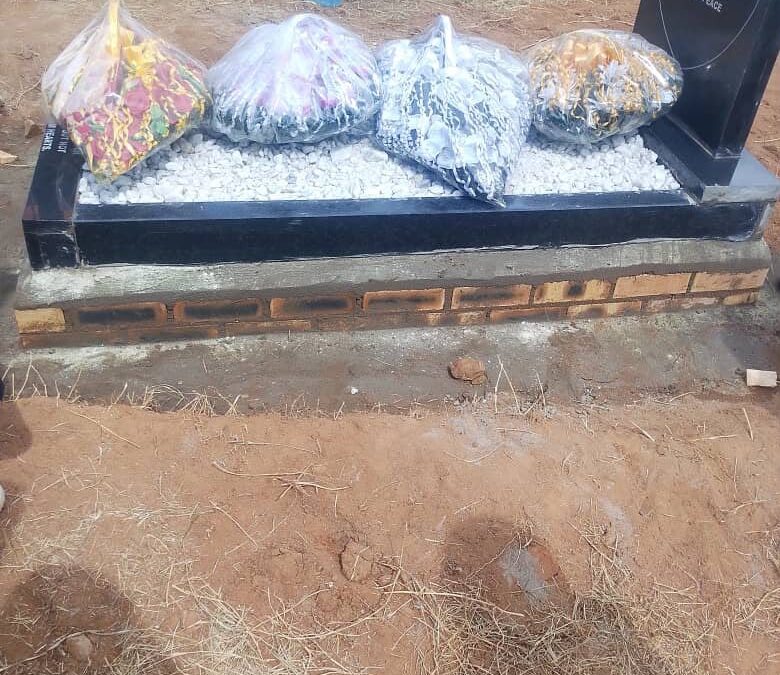
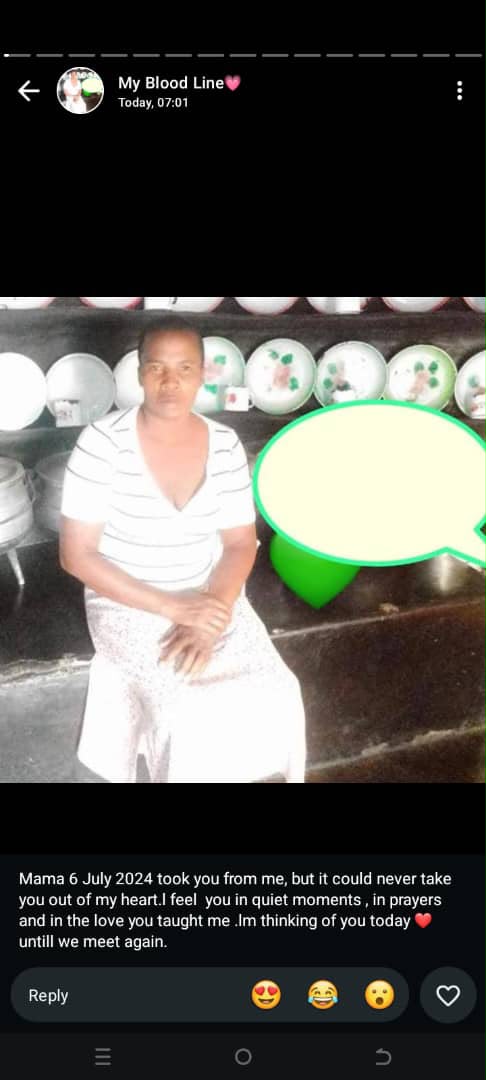
Two years after her death, Sibonokuhle said the pain of her mother’s unfulfilled search did not end when she took her last breath in 2024. Instead, it became a burden inherited by a daughter now trying to complete a journey that began long before she was born.
She said the absence of a relationship with Majaivana had been particularly painful for her mother, who watched from a distance as the man she believed was her father was celebrated for his music while remaining a stranger in her personal life.
In the past, photographs of the celebrated musician had proved to be more than glimpses of a public figure, as they were reminders of a relationship that she thought had never had the chance to blossom and of a father whose face she could recognise but whose embrace she had never known.
“It used to bring her a lot of pain when she was alive. She used to talk about how she had grown up without knowing who her father was. She looked at all the years she had lived without knowing him and all the struggles she had faced, wondering whether having a father in her life might have made a difference.
“Whenever she saw his picture on Facebook or other social media platforms, it brought her a lot of pain because she could see the facial similarities they shared,” she said.