Peter Matika [email protected]
FOR many women, understanding their bodies, recognising changes in their health and making informed decisions about their sexual and reproductive well-being are essential aspects of everyday life.
But for women living with visual impairments, accessing information that enables them to make those decisions can be an uphill task, particularly when health campaigns, educational materials and services are not designed with their needs in mind.
In Bulawayo, 20 visually impaired women are being equipped to change that reality after undergoing training to become peer educators, empowering them to understand their sexual and reproductive health rights
and share that knowledge with other blind women and girls.
The programme, conducted by the Zimbabwe National League of the Blind (ZNLB) in partnership with the African union of the Blind (AFUB), the Norwegian Association of the Blind and Partially Sighted and the
Rotary Club of Bulawayo Sunrise, seeks to ensure that visual impairment does not become a barrier to accessing essential health information and services.
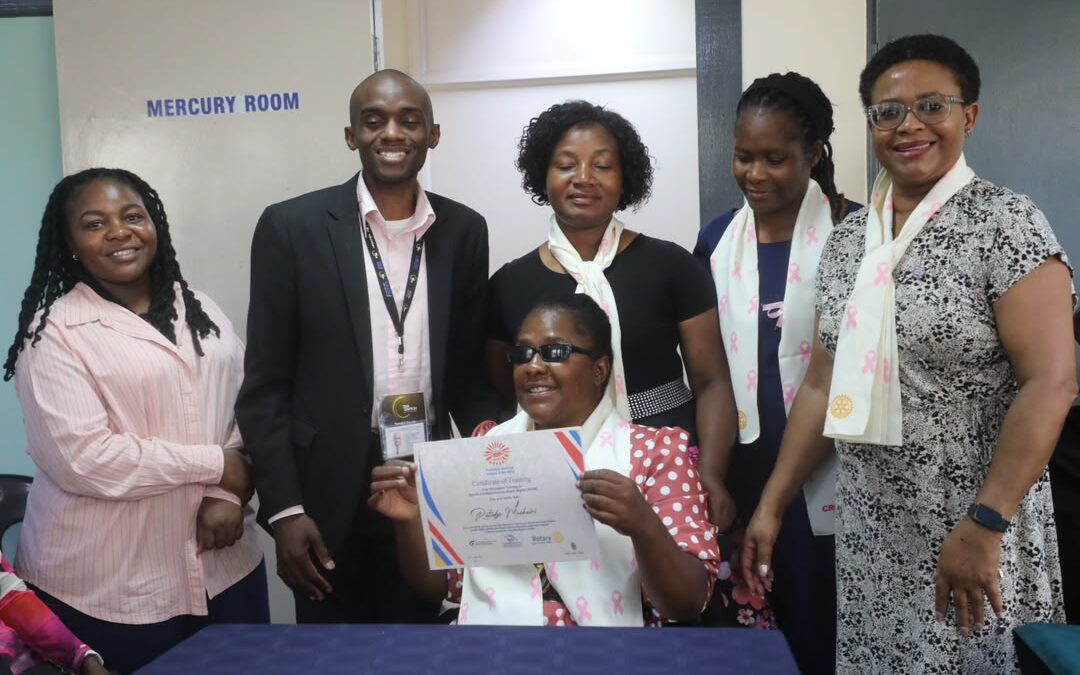
The participants received certificates after completing the training yesterday under the theme, “Collective Action for Disability Rights: Sexual and Reproductive Health Rights”.
But beyond the certificates, the initiative seeks to address a deeper problem: the exclusion of women with disabilities from conversations about their bodies, health, dignity and rights.
For the participants, the discussions provided an opportunity to understand issues that are often overlooked in mainstream sexual and reproductive health programmes, while equipping them with the confidence to advocate for themselves and others.
ZNLB executive director Tendai Murangwana said visually impaired women had the same sexual and reproductive health rights as other women and should not be disadvantaged because of their disability.
“Sexual and reproductive health is an important aspect of women’s lives and blind women need to be equipped with information that enables them to understand their rights and make independent decisions.
“There is a need to improve access to healthcare information and services, particularly for women who may struggle to access information presented in formats that are not disability-friendly,” he said.
Murangwana said women with visual impairments should also be represented in discussions and decisions concerning their health and welfare.
He challenged the tendency to exclude women with disabilities from important health conversations, saying they should be recognised as active participants capable of expressing their needs and contributing to decisions affecting their lives.
The programme also placed emphasis on breast cancer awareness, coinciding with Breast Cancer Awareness Month.
Murangwana said women with visual impairments should not be left out of campaigns aimed at promoting early detection and encouraging women to seek medical attention.
He said health information needed to be presented in accessible formats to ensure that blind women could understand the importance of recognising possible warning signs and accessing appropriate medical services.
Sister Lornard Matope also addressed the participants on the rights of women with visual impairments, encouraging them to understand their entitlements and speak out against discrimination.
She said blindness did not diminish their dignity or their right to equal treatment and opportunities.
“Women with visual impairments should not be discriminated against or denied access to essential services because of their condition.
“They should be confident in speaking out, demanding respect and seeking assistance whenever their rights were violated,” she said.
For the organisers, the training was designed to create a multiplier effect, with the 20 women expected to take the knowledge into their communities and reach others who may not have access to similar programmes.
ZNLB programme support assistant and recreation leader Thandekile Nyathi said the participants had been deliberately selected to serve as peer educators.
She said the training covered sexual and reproductive health rights and disability-inclusive breast cancer awareness, equipping the women with information they could share with fellow blind women and girls.
“The intention is to create women who can confidently share information with fellow blind women and girls, helping them understand their rights and make informed decisions about their health,” said Nyathi.
One of the participants, Otilia Panganai, said the programme had opened an important opportunity for visually impaired women to learn about issues directly affecting their lives.
She said the knowledge gained would help participants understand their rights better and empower them to educate other blind women who might otherwise struggle to access such information.
Panganai said the breast cancer discussions were particularly important, as visual impairment should not prevent women from understanding the disease, seeking screening and taking responsibility for their health.
The training marks an important step towards ensuring that women with visual impairments are not merely recipients of healthcare services, but informed participants who can make decisions about their bodies and help others do the same.