admin
admin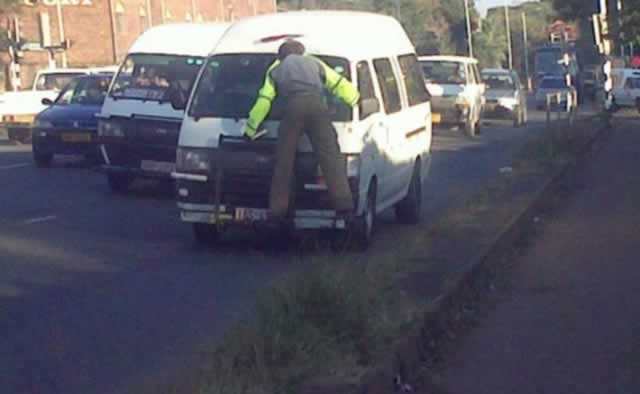
Ignatius Mabasa Shelling The Nuts
For that reason, the thieves, robbers and pickpockets also contend for the title of “professions” with the most names or nicknames. Perhaps prostitutes come third. Yet, the interesting thing is that most of the names that the police are called by come from offenders.
Harare is rapidly changing. And I am not just referring to the buildings, but to a lot of other structural transformations. What is particularly noticeable apart from the rubbish which the hardworking City of Harare sweepers fight to contain, are the number of stampeding people on pavements, trying to avoid stepping on the various wares spread out and being sold by vendors.
It is easy to get lost in a crowd in Harare, especially downtown.
The other noticeable thing in Harare is the swarming traffic and the many vendors by the traffic lights — selling water, snacks, airtime, sweeping brooms, newspapers and mobile phone accessories.
Then, there are cars on Harare’s roads that shuttle people from Fourth Street to Market Square and back. They pack people like Harare’s overflowing garbage bins and drive their ex-Japanese cars like flags in the wind.
The police officers are another colourful feature of Harare. It is important to have police at almost every corner especially when the city is becoming overcrowded as it is now.
Like vendors and the stampeding crowds, the police are a permanent and visible feature of Harare. Sometimes you wonder what business they will be doing in the city centre because you can see them gathered in a group of about six to 10 police officers, talking and lost in their own world. Ndivoka vana mambo. I think the police have the most names than any other profession in Harare.
These many names capture their behaviour or what people think of them. Security guards are referred to as mapurisa, gadhi, mahobho or hudhu. Soldiers are referred to as musoja, musomeki, gunman or ganaz. While we give names to different objects, people and professions, most names are inspired by different events and each name will have a story or an incident behind it. Some people may call themselves this or that, but it is what others call you that can provide a window into how you are perceived.
The police in Zimbabwe are called by all sorts of names, and interestingly, some of the names come from the constabularies themselves. So, what are the names that the police are called? Officer is a very common term of respect, but the police are called a lot of other names that are obscure such as: ngonjo, boma, poti, marasha, mangwazi, bhurakwacha, babylon or bhabhilani, neighbour rukaz, rispo, mudengumunei, jiti, dhikaz, kambha (from police camp). Then there are the comical ones such as hona mwana wako, ndini ndhamubata, marikiti, makudo, vancho, mazai, vaMayaya, batai munhu, ngwazi, matombo and tsikamutanda. The etymology of some of these names is very obvious, for example poti comes or is derived from police. Also, bhurakwacha is from Black Watch, which was the Royal Highland Regiment. The term is believed to have originated in the early 18th century. The term Watch was given to certain companies of irregular troops in the Highlands; Black Watch referred to some of these companies distinguished by their dark-coloured tartan. And Risipo is mostly used by kombi crews and is an anagram, which means it is a word or name formed by rearranging the letters of another, such as cinema, formed from iceman. Risipo is police that is pronounced starting with li (ri) ce (si) po.
A peep into the names of police officers, criminals and prostitutesThe idea is to demystify, cheapen and weaken their authority. And it is interesting to note that the source of most of the nicknames given to the police come from criminals or people who generally don’t have a good relationship with the police. Just like the police themselves have so many names for criminals, offenders are fond of nicknames, which are usually informed by fame and notoriety.
For that reason, the thieves, robbers and pickpockets also contend for the title of “professions” with the most names or nicknames. Perhaps prostitutes come third. Yet, the interesting thing is that most of the names that the police are called by come from offenders.
Kombi drivers, touts and vendors have joined the team of police adversaries and have added more nicknames that are given to the police.
I still need to understand the meanings of some of these names, but there are a few that are self-explanatory because they are either derived from something associated with the way the police conduct their duties.
The names that I got an explanation for are: marasha — meaning they are usually hot with anger like ambers and they will scorch you. Ngwazi — was a title given to the late Malawian president Dr Hastings Kamuzu Banda.
Ngwazi means “chief of chiefs” and more literally it means “great lion.” This means Ngwazi has to do with fear and dominance. Mudengumunei is derived from the helmet-like type of hat that the police used to wear in colonial times.
Jiti, I am told, has to do with how the police disembark from their cars, vanoita zvekujitika. Dhikaz comes from detective. Yet, it is the explanation for the name Matombo that made me laugh. I actually got this one from a police officer and he told me that is what they are called by the kombi crews. Why matombo? Because when they board a kombi when they are in uniform they do not want to pay for the trip. Saka vakaomera sedombo!
Most names that the police get from those that are opposed to justice and those who think that they are overzealous and overstep the mark in the discharge of their duties are negative. They are derogatory and in most cases meant to be like a secret language or code to make the police unaware that they are the ones being referred to.
In some cases, they use the names in a derogatory manner as a way of venting or expressing their anger. But whatever the case, every society needs policemen and policewomen and whether we call them names or worse things, they have a duty to protect and maintain peace.
Whether they execute their duties by other means deemed unorthodox, that is a matter for us to bring to the attention of their public relations unit so that their code of conduct is applied.
The nicknames that are given to robbers, thieves and pickpockets are also a window into how they are perceived by society.
When I was growing up, matsotsi were known as ana skuz’apo.
It generally described how they were unfriendly and if you didn’t want trouble you just had to get out of their way. When I was growing up, matsotsi were known to carry okapi knives and they were ruthless. I suppose the knives were like what guns are to the armed robbers today. And by the way, the name or word tsotsi is not Shona. It has its origins from South Africa. The Shona names for tsotsi are mbavha or gororo. So, here are some names of tsotsi that are mostly used by ordinary people; tsola, tsarantsintsa, boshman, gevha, gombiro, chivharo, guruvha, two finger, gold finger, magwendere, dzvinyangwe, guys dzehuruwek, kuruku, shumani, mbivha. Most of these names are self-explanatory — they describe behaviour.
Magwendere seems to explain how they may accidentally drop things when they are stealing especially household goods.
Dzvinyangwe has to do with how they will grip your throat and rob you even if you try to give an excuse or explanation. They are not selective in their business, especially those that specialise in waylaying people at night.
Prostitutes form my last group of people with a lot of trade names. The names that are given to prostitutes mainly describe their modus operandi. To many who hire prostitutes, they are women who don’t deserve respect (as if the men who hire them are better off).
They are called zvikiti because they mainly appear at night and cannot be domesticated.
Another name is masister, because they cannot be married. They are also called meter, in reference to how they charge for sex. The other names are; hure, hoto, nyenye, sinhi, joki, njapiece, magan’a, mabhichani and Code 63 — which is a criminal law codification for prostitution.


 Online Reporter