Online Reporter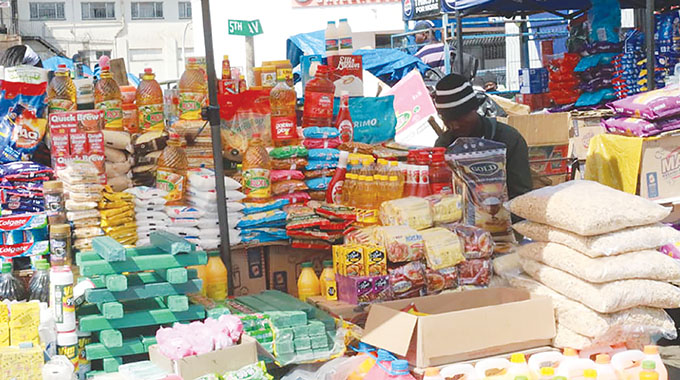
Stanford Chiwanga and Sikhulekelani Moyo
A WAVE of discontent is sweeping through Zimbabwe’s wholesale sector as legitimate businesses face a dual threat — direct-to-market competition and the rise of a powerful informal economy fuelled by counterfeit goods.
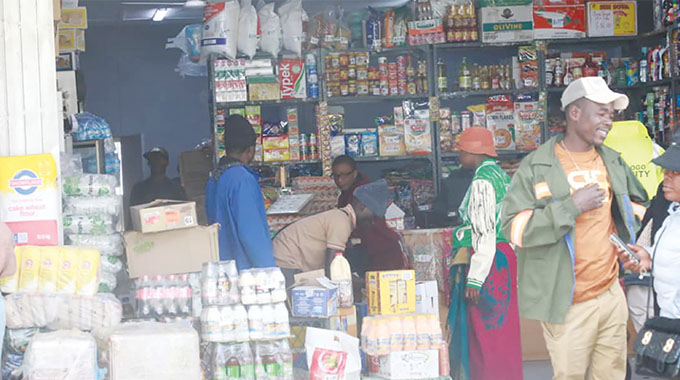
Wholesalers are increasingly being elbowed out of business by manufacturers who sell directly to informal traders, a practice that, along with the sale of fake products, is creating a profound crisis for the nation’s formal economy.
The situation is exacerbated by a stark pricing reality. A comparison of prices in US dollars shows that informal retailers can often sell goods at lower prices than wholesalers.
For instance, a 10x2kg pack of sugar is sold for US$24 by informal traders, which is below the wholesaler’s price of around US$24,30 for the same item.
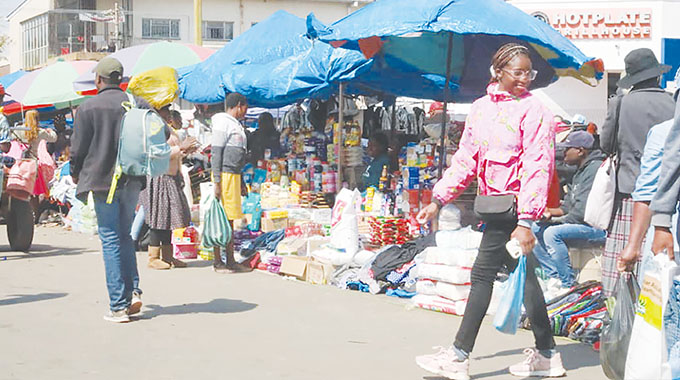
This trend is consistent across various commodities, including cooking oil and rice, where prices offered by informal traders are either negligible or even lower than the bulk rates offered by wholesalers.
A 2-litre box of cooking oil, for example, is listed at US$21,85 by informal traders, significantly undercutting the wholesaler’s bulk price of US$22,66.
This price disparity is largely enabled by the informal sector’s ability to operate entirely outside of the formal economic framework.
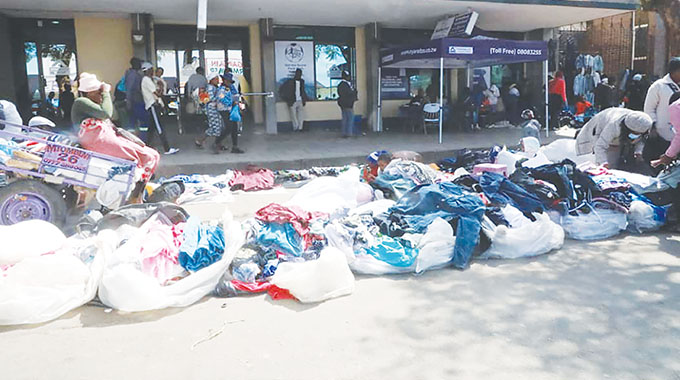
Unregistered shops that are now widespread throughout Zimbabwe do not have trading licences, bypass tax obligations, and lack formal payment systems.
This non-compliance creates an unfair competitive advantage, allowing them to sell goods at rock-bottom prices that tax-compliant businesses cannot match.
Confederation of Zimbabwe Retailers (CZR) president Dr Denford Mutashu noted that this has created a cash economy.
“The trend has perpetuated a cash economy and further financial services sector informalisation as cash changes hands behind the eyes of authorities,” said Mutashu.
Furthermore, Zimbabwean manufacturers, struggling with credit terms from the formal sector, are increasingly choosing to supply these informal traders who pay in cash, undermining the traditional wholesale distribution network and making it easier for companies to avoid taxes.

The problem is further complicated by the prevalence of counterfeit and fake goods. A recent investigation revealed that these informal outlets have become a hub for a wide array of illicit products, from counterfeit detergents and food items to cosmetics and fake automotive parts.
The availability of these goods is attributed to porous borders and lax enforcement, though officials from the Consumer Protection Commission (CPC) and the Zimbabwe Republic Police (ZRP) have intensified efforts to combat the trade.
Recently, a Harare company, Natbase Investments (Private) Limited, was fined US$300 for selling counterfeit maize meal falsely branded as a leading local product.
This illicit trade poses significant health and safety risks to consumers. Counterfeit food items are often produced in unsanitary conditions with unlisted ingredients, potentially leading to food poisoning.
Similarly, fake cosmetics can contain dangerous chemicals and mercury, causing severe skin damage, while counterfeit automotive parts pose a direct safety threat by failing under pressure.
In a statement, CZR commended the Government for the swift and collaborative action taken through a joint operation involving National Foods Limited, the Trade Measures Inspectorate, CPC, and ZRP, which led to the conviction of a Harare-based business found selling counterfeit locally branded maize meal.
Mutashu said this decisive action is a strong and commendable step in protecting consumers from fraudulent, substandard, and potentially harmful products.
“The CZR acknowledges the professional conduct and vigilance of all stakeholders involved in the investigation and prosecution process, which serves as a powerful example of what can be achieved through co-ordinated enforcement and consumer protection efforts.
“As the national voice of the retail and wholesale sector, CZR reaffirms its unwavering commitment to responsible retailing and wholesaling practices that promote consumer confidence, product integrity, and ethical business conduct,” he said.
Mutashu said the trust of the Zimbabwean consumer is sacred and must never be compromised for short-term gain.
“We take this opportunity to warn other would-be offenders that the CZR will not shield or condone any form of illicit trading, counterfeiting, or misrepresentation of goods within our sector. Such acts not only undermine reputable brands and fair market competition but also erode public trust in retail channels and threaten public health and safety.
“To address these concerns, CZR will implement a structured remedial programme focused on business and consumer education, awareness, and knowledge sharing. This initiative will be rolled out in partnership with key stakeholders, including, among others, CPC, manufacturers, retailers, wholesalers, distributors, the Consumer Council of Zimbabwe (CCZ), and the Confederation of Zimbabwe Industries (CZI),” he said.
Economists and business leaders point to the challenging economic environment as a primary driver of this informalisation. The preference for US dollar cash transactions pushes consumers to seek out the cheapest prices, strengthening the informal sector.
“We have seen major wholesalers struggling over the past few years as a direct result of this distortion in the supply chain. Ultimately this leads to the demise of wholesalers who would normally contribute to the fiscus through tax payments, thereby adversely affecting the economy. At some point the wholesalers will be completely obliterated leading to loss of employment and loss of income expected from tax payments,” Zimbabwe National Chamber of Commerce vice-president Josephine Takundwa said.
Dr Mthokozisi Nkosi, president of the Chartered Institute of Consumer Relationship Management (CICRM), said that the elimination of wholesalers from the supply chain allows consumers to get products quicker and at a cheaper price. He noted that this trend, driven by the digital revolution, forces wholesalers to “redefine value creation” to remain viable.

“It means the wholesalers need to find a reason for their existence, they need to redefine value creation, what is it that they can do to remain viable. In certain areas, they will be totally eliminated; it’s part of the dynamics in the business world,” said Nkosi.
He acknowledged that while some players may be eliminated, there are benefits for consumers, though the inconvenience of not being able to buy in smaller quantities might be a challenge.
While the Zimbabwe Revenue Authority (Zimra) has attempted to enforce tax compliance, critics remain sceptical.
They argue that until a more enabling environment is created for formal businesses, the dominance of the informal sector will likely persist. This poses a significant threat to both consumer safety and the long-term health of the Zimbabwean economy.