

 Online Reporter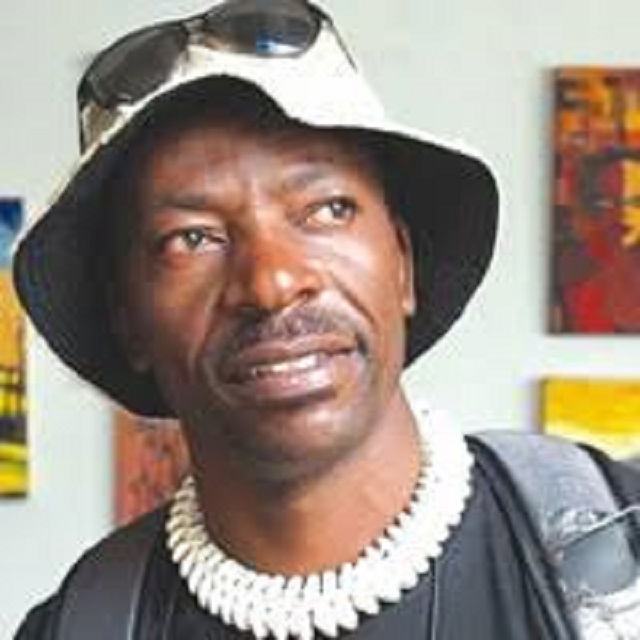
Trust Khosa
Zimpapers Arts, Entertainment Hub
NATIONAL Gallery of Zimbabwe executive director, Raphael Chikukwa, has described his visit to Abu Dhabi as an eye-opener towards the promotion of African museums.
Chikukwa, who was among panellists at the Culture Summit Abu Dhabi, exchanged notes with other internationally-acclaimed curators.
In an interview with Zimpapers Arts and Entertainment Hub, Chikukwa believes he made Zimbabwe proud as he had the opportunity to meet other top curators.
“The purpose of my visit to Abu Dhabi was to take part in the Culture Summit Abu Dhabi and to represent our great country, Zimbabwe.
“I was in two panels; the first one looked into the African museum landscape, reflecting on the Kings and Queens exhibition that opened at the Louvre Abu Dhabi in January. We also discussed the role and functions of museums in Africa, taking inspiration from Abu Dhabi and this region, which is building significant cultural institutions,” he stressed. Chikukwa noted that it was high time Africans understood the role of these cultural institutions.
“We also need to ask ourselves why there are substantial investments in building museums in this part of the world, as well as in Asia and Europe. On April 29, the topic we interrogated was ‘In the beginning was the word’. In this panel, I reflected on the epic poem by our hero Cde Herbert Chitepo, a nationalist and one of our first-generation academics who wrote in Shona.
“We discussed the power of our own language and culture, emphasising the need to protect it from those who wish to impose their narratives on us. I also highlighted other speakers from Africa who continue to separate themselves from their roots, despite being Africans,” he said.
Chikukwa’s reflections on the past serve as a reminder of the importance of cultural identity in shaping the future.
He asserted that understanding our heritage is crucial for the development of African societies.
“Looking into the past can inform the present and the future for our own good. The need to love our culture is more urgent than ever,” he emphasised.
Quizzed on how local visual artists can benefit from the trip, Chikukwa was confident, stating, “The visual artists benefit from the summit in many ways because it gave me the opportunity to interact with museum professionals from Guggenheim, MoMA, French Museums, Louvre, Spanish Museums, Russian Museums, Indian Museums, Australian Museums, British Museums, and many other artists who came for the Culture Summit Abu Dhabi. Representing Zimbabwe at the Culture Summit Abu Dhabi is a privilege because it is a global platform that provides opportunities for cultural experts to share and dialogue.
“As Zimbabwe marks May as Culture Month, it gives me an opportunity as the head of the National Gallery of Zimbabwe to rethink our contribution to this national event.
“Soft power is key to achieving image building and promoting our own culture; otherwise, we will remain passengers in our own ship.”
Chikukwa believes he will return home with valuable lessons that will go a long way in changing the fortunes of visual artists who need more galleries to market their work.
“Lessons from the UAE regarding how they preserve their culture through the Culture Summit Abu Dhabi are immense. It’s not just about that; it’s also about understanding their roots from their founding ancestors.
“Their dressing, despite their interaction with the global world, speaks volumes. If only we could understand that there are no people without culture, we could go far.”
He also challenged African artists to tell their stories through art. “Our African identity can be seen through art, crafts, dressing, food, and language, to mention but a few.
“Our language policy is another step to deter the vanishing of our languages. If your language is taken, your culture will vanish. It’s sad that there are parents who feel proud to have their children not speaking local languages, thinking it’s cool and a sign of progress.”



