Chronicle Editor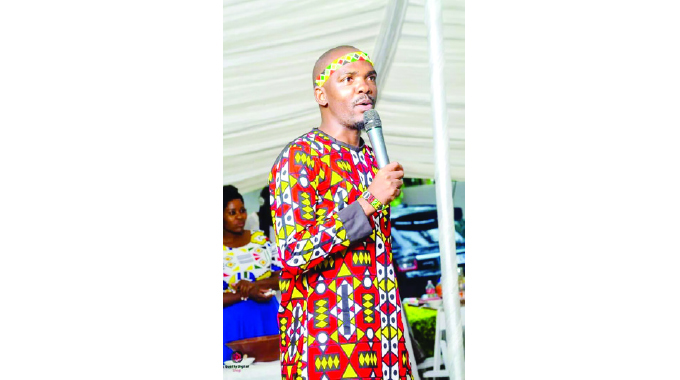
Angela Sibanda, Chronicle Reporter
WHILE many have adopted a culture of teaching their children English as they start learning to speak, for most multi-linguists, the mother language remains an important aspect of African culture.
Zimbabwe has a total of 16 official languages but Ndebele and Shona are the most dominant indigenous languages countrywide.
For those who value the African culture, there is no substitute for one’s native language.
In an interview, South Africa-based Zimbabwean lecturer Dr Madhlozi Moyo said language is a part of culture and there are indigenous aspects that can never be understood by the coming generations when interpreted in English.
“It is important to preserve indigenous languages because language carries culture with it. And our indigenous stories and history are best told and explained in our native languages. A folk tale being told in English will never sound the same as the one told using the mother language,” he said.
Dr Moyo is a Plumtree-born Classics lecture at the University of the Free State in Bloemfontein, and a former University of Zimbabwe lecturer who speaks over 10 languages that include Zulu, Xhosa, Ndebele, Kalanga, Shona, Latin, Ndebele, Afrikaans and English.
He learnt some of the languages at school and others while socialising with people but Tonga and Kalanga were part of his childhood.
“I learned Afrikaans, Greek, and Latin at university and Shona at the University of Zimbabwe. As for Kalanga and Tonga, I suckled those with milk, they are my parents’ languages.
“And even after all the time that I have spent in South Africa, there is always a certain feeling that comes when I meet someone who speaks my mother language. I may know all these languages but the mother language always carries some sense of belonging, identity and pride,” he said.
Dr Moyo said this ahead of the International Mother Language Day on Monday, February 21, a day that was set aside by UNESCO in 1999 to commemorate the importance of cultural and linguistic diversity for sustainable societies.
This year’s commemorations will run under the theme “Using technology for multilingual learning: Challenges and opportunities”, which discusses the potential role of technology to advance multilingual education and support the development of quality teaching and learning for all.
Lupane-born multilingual poet and author Obert Dube believes that a person can speak as many languages as they can but their mother tongue should remain dominant in their conversations.
Mr Dube speaks a total of 12 languages including Tonga, Dombe, Kalanga, Nyanja, Shona, Xhosa, Swati, Zulu, Swahili and English as well as Ndebele which dominates most of his artistic productions such poems and comedy shows.
Mr Dube said indigenous languages should be conserved as they are part of the few cultural aspects that Africans have been left with.
“We have developed a tendency of wanting to be Europeans, from the dressing, the food and way of life. Even when we meet in our own African gatherings, you will be surprised that someone will be speaking English throughout and you just wonder where they are coming from,” he said.
“These languages are what identifies us as a people. If you realise, most of my work is in Ndebele. I am a Ndebele and I am proud of it and I am passing the same pride to my children.”
He also said it is of paramount importance that as much as people may be educated, they must normalize using their native languages especially when they are on their own.
“We live amongst white people who have learnt to speak our native languages, but when they are in their own spaces, they communicate in their own language, that is the same spirit that we should have as Africans, as Zimbabweans,” said Mr Dube.



 Online Reporter