admin
admin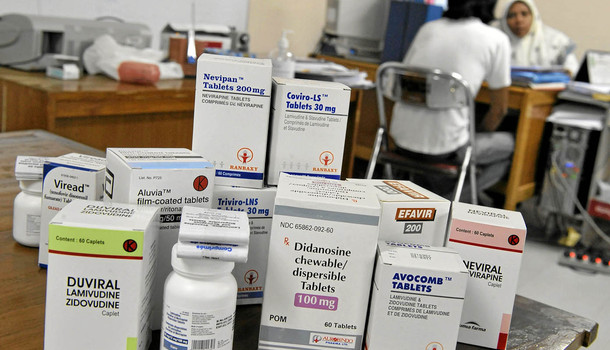
 Fairness Moyana
For Nancy Nyoni (not her real name), had the Painted Dog Conservation (PDC) not come in time she would have been another statistic like her husband, Gerald. Coming from a poor community in the dry region of Chezhou in Hwange District, Nancy got the shock of her life when she went to Makwandara clinic to deliver her baby.
An HIV test was done while she waited in the mothers waiting room and when the results came she could not believe it. A nurse broke the news to her that she was HIV positive and as if it was not enough her CD4 count was way above normal which could result in her baby contracting the virus. As she would later recall, the words of the counsellor who attended to her, were that she was one of the ‘lucky’ ones whose lives had been saved, thanks to the CD4 count machine donated by Painted Dog Conservation two days before Nancy visited the clinic.
Thanks to this machine, possibilities are high that she will give birth to a healthy HIV negative baby as medication to prevent the mother-to-child transmission of the virus will be administered to her before and after she delivers. Like Nancy, many villagers in rural Hwange fail to access medication in the form of ARVs due to lack of equipment such as a CD 4 count machine to ascertain when one is supposed to start treatment.
According to statistics from the Ministry of Health and Child Care only a handful of rural health institutions have facilities that cater for HIV patients. Before the conservancy came to their rescue, HIV patients would travel to St Patrick’s in Hwange or St Luke’s in Lupane to access ART and the organisation would from time to time bring outreach teams.
According to the conservancy’s assistant community and HIV/Aids coordinator, Dominic Nyathi, the organisation has also embarked on rehabilitating rural facilities by building state-of-the-art drug store rooms in an effort to provide easy access to medication.
“As Painted Dog we saw the need for development in these communities which we work with in promoting the conservation of the painted dog which faces extinction especially access to health facilities where villagers would be forced to travel long distances to seek treatment. Part of our programmes involve building and rehabilitating clinics where we have built air-conditioned storerooms to keep the drugs including the vital ARVs,” said Nyathi.
“We used to bring an outreach team comprising a doctor and nurses to provide HIV/AIDS counseling and testing services to villagers in an effort to reduce new infections. It soon became difficult and costly as the number of people who responded to the programme kept plummeting due to discrimination which is rife in the rural areas,” he said.
The CD4 count machine donated by PDC rotates between Makwandara, Lupote, Mabale and Songwa clinics to cater for villagers in these areas. The conservancy has also facilitated the training of nurses at the four health centres on how to use the machine and administer Anti-retroviral Treatment (ART).
The recent donation of an ambulance by the PDC came as a much need boost that afforded villagers transportation to hospitals in emergency cases reducing the number pregnant women who die while waiting for transport and from complications arising from delivery.
However, the issue of travelling long distances has also affected the effective administration of ART. Unlike Nancy, Margret Ndlovu was placed on anti-retroviral drugs (ARVs) treatment but she has been failing to access the life prolonging drugs because the nearest clinic is several kilometres away. She is one of the thousands of HIV-infected women living in rural areas who are finding it increasingly difficult to access ARVs.
Before PDC came to the rescue of villagers high transport costs to travel to referral hospitals such as St Luke’s in Lupane to collect the drugs were forcing patients to default on their treatment plans. This resulted in most of them dying of treatable infectious diseases commonly referred to as Opportunistic Infections (OIs).
The increase in the price of basic food stuffs has also reduced the ability of rural women to benefit from ARV treatment as they spend more time looking for ways to fend for their families while neglecting themselves in the process. Zimbabwe is already experiencing a gap between the number people who need ARVs and those accessing them.


 Online Reporter