Disability Issues
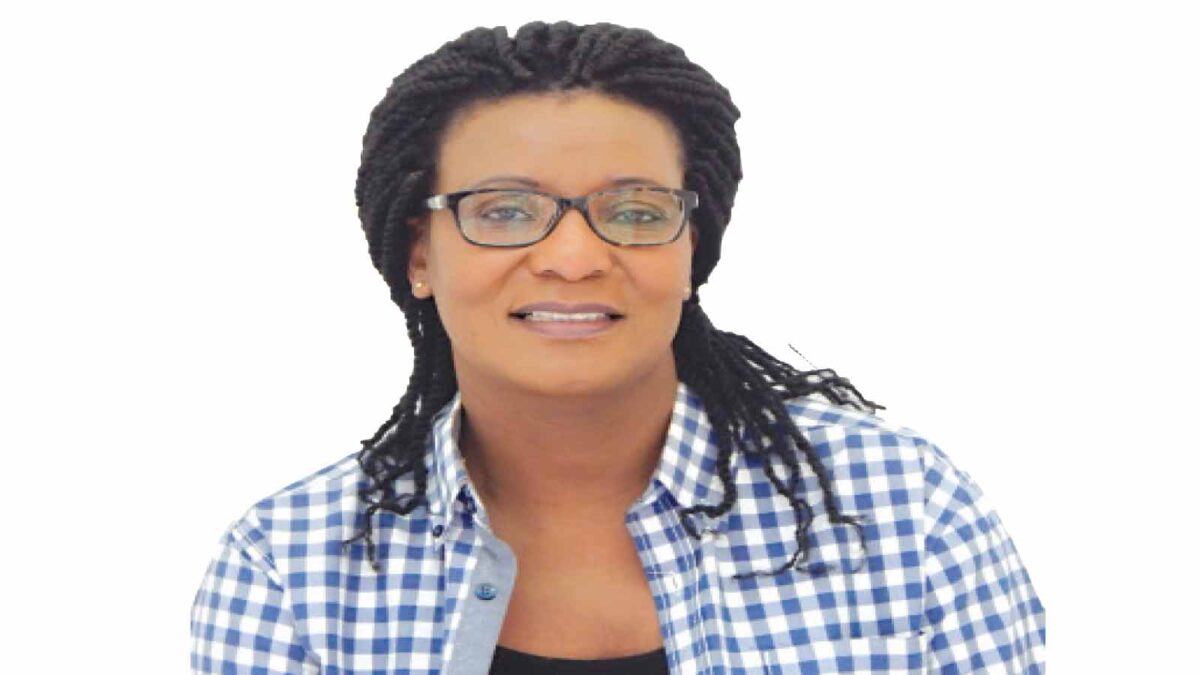
Dr Christine Peta
EVERY year on November 19, the world commemorates World Toilet Day, an official United Nations international observance created to inspire action to tackle the global sanitation crisis.
Toilets are not just about health; they are about safety, dignity, equality and opportunity.
If we are serious about equality, we must put persons with disabilities at the centre of the conversation.
The problem is not simply a shortage of toilets, but that most existing facilities are unusable, unsafe or undignified for persons with disabilities.
Imagine a wheelchair user faced with a narrow Blair toilet door and a step at the entrance, or a person using crutches trying to balance over a squat hole on a slippery floor without grab rails.
Consider a blind person navigating a dark, unfamiliar latrine with no tactile guidance or lighting, or a person with intellectual disabilities confronted with a complex tap system they were never taught to use.
For many persons with disabilities, using a public toilet is not a routine act; it is a daily risk.
To cope, many persons with disabilities deliberately drink less water and eat less food to avoid needing a toilet during the day.
Others wait until nightfall for privacy, exposing themselves to falls, animal bites and gender-based violence.
Similarly, children with disabilities miss school because facilities are inaccessible or because they fear bullying and embarrassment.
Women and girls with disabilities face the dual burden of disability exclusion and menstrual health challenges, as managing menstruation with dignity becomes impossible without accessible toilets, private washing spaces, water and disposal facilities.
It is painfully ironic that a person with disabilities can travel to a clinic for treatment, only to find they cannot use the clinic’s toilet.
Markets, bus terminuses, churches, offices and workplaces tell the same story. When toilets exclude persons with disabilities, society excludes them from education, healthcare, employment, worship, trade and community participation.
Building an accessible toilet does not have to be expensive or require imported materials; it simply requires thoughtfulness and consultation.
Essential features include a wider door, a ramp instead of steps, a raised seat, sturdy grab rails, a non-slip floor, enough interior space for a wheelchair to turn, a rope or bell to call for help, good lighting and a lock that can be operated with one hand.
In rural areas, a standard Blair toilet can be adapted using locally available bricks, cement and metal rails to add a seat, handrails and a ramped entrance.
Even a simple plastic chair with a hole cut into it can restore independence to an elderly person with disabilities, just as a well-placed tap and bucket can restore dignity.
Unfortunately, stigma still surrounds disability and sanitation.
Some families hide relatives with disabilities rather than demand accessible school toilets, while many budgets treat accessibility as a luxury to be added later rather than a current necessity.
World Toilet Day challenges us to confront these attitudes.
Moving forward requires clear action.
Inclusive sanitation standards must be upheld across all public buildings, schools, healthcare facilities and resettlement areas, with mandatory rather than voluntary accessibility audits.
Organisations of persons with disabilities must also be placed at the decision-making table — not merely as beneficiaries, but as designers, monitors and experts.
Furthermore, schools and healthcare facilities must prioritise accessible, gender-sensitive toilets to keep children with disabilities in school, recognising that a girl who drops out at puberty because she cannot manage menstruation at school has been failed twice.
Finally, communities and families must embrace low-cost home adaptations, because dignity begins at home. Inclusive sanitation is not charity; it is an investment in health, education and equality.
There can be no equal future if 16 percent of the world’s population is locked out of the toilet.
A toilet that cannot be used by a person with disabilities is not a safe toilet and a sanitation system that ignores disability is not equal. Dignity does not discriminate and neither should our toilets.
Let us build facilities where everyone — regardless of mobility, vision, hearing or intellectual ability — can enter safely, use them privately and leave with their dignity intact.
Dr Christine Peta is a disability, public health, policy, international development and research expert. She can be contacted on: [email protected]