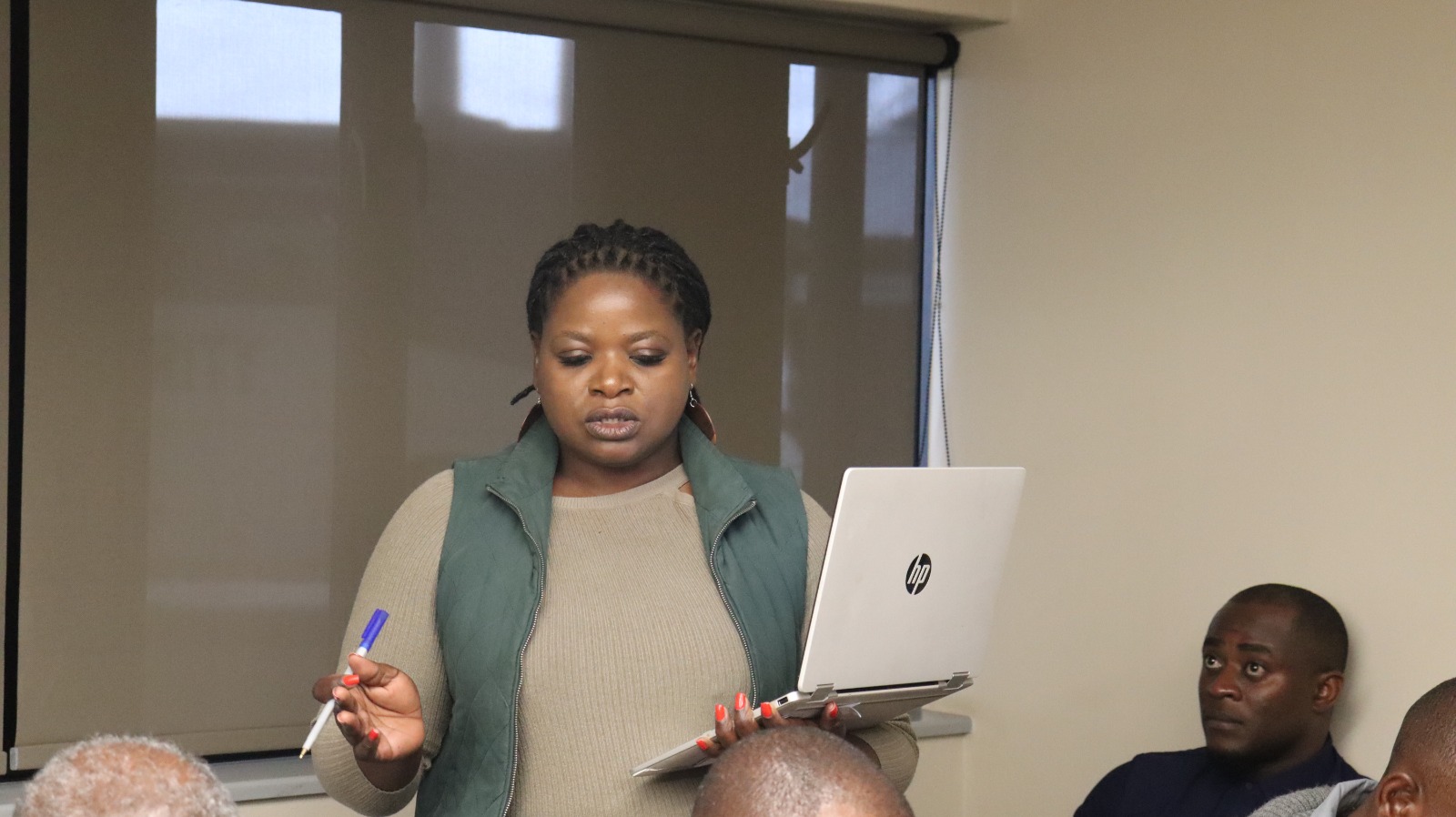
Vusumuzi Dube
REMEMBER the following points as you enjoy the holidays. In the examinations it is easy to forget to use paragraphs, but you have to use them if you are after a good grade. Your first paragraph should be an introduction. Paragraphs make your writing clearer.
Remember a paragraph is a group of sentences. These sentences are about the same thing, or follow from each other. All of the sentences in a paragraph are related to each other. You need to start a new paragraph every time something new is introduced. When something new happens, you start a new paragraph.
Paragraphs do more than you think. Paragraphs give structure to your answer and break it into separate points so that it is easier to read.
You can also use them creatively to make your work that bit more interesting for the reader. There are lots of different reasons for starting a new paragraph – here are a few of them:
Start a new paragraph every time something changes. Each time a new person speaks. When somebody new speaks so you need to change paragraph.

You change paragraph when you start writing about a different time. By three o’clock the team had arrived. The umpire was late again. The first paragraph is about three o’clock.
Start a new paragraph when you start writing about a new place. The sports field was deserted except a lone boy who was doing some exercise. This paragraph is about the sports field.
Some 500 metres away in the classrooms it was business as usual learning taking place. Here is a new paragraph because this is happening somewhere else. When you talk about a new person.
Matthew sat at the edge of the seat as the hall was full to capacity. This paragraph is about Matthew. It is time for a new paragraph because a new person comes in.
John his friend could not assist him as he found the place already full. Start a new paragraph when you start writing about a new topic. Sadly, knowing when to start a new paragraph is not enough – you need to make them flow. Paragraphs need to be linked. You have to link up every paragraph with the one before and the one after.
Use words and phrases like these to make the link blear: therefore, however, again, for the same reason, on the other hand and others. These relate the paragraph’s meaning to the previous paragraph’s meaning. Sometimes it is a good idea to refer back to the previous paragraph too.

You will get more marks if your paragraphs flow smoothly from one to the next.
Paragraphs should follow a clear order. Order your paragraphs so that there is a clear progression. It is up to you how you do it just make sure it makes sense. Put your paragraphs in order of importance. Give paragraphs for an argument then paragraphs against. Order your paragraphs chronologically (in time order).
Try to vary the style of your paragraphs. You do not want to make all your paragraphs the same That would be boring. Here are some suggested tips for spicing things up a bit: At school Princess felt like she didn’t belong. At home, all she ever seemed to do was to get into the way. Or start with a rhetorical question.
Is a world where gender based violence and fear are commonplace really the one we want our children to grow up in? Above all paragraphs make your work easier to read and understand.
Next time you read a novel or a magazine have a look at how the writer uses paragraphs. Take note that in dialogue every new speaker begins a new line. The more you pay attention to this kind of thing, the netter you will get using them yourself.
More notes on narrative writing: Narrative writing is your chance to let your imagination run wild, but you still need to plan ahead. Use what you know to get ideas. Your starting point for a piece of narrative could be a title or the first or last sentence of the story.
Write about something you are interested in. If you already know stiff about it, your story will be more convincing and it will be easier to give lots of detail. Write about something that has happened to you. It will be easier for you, and your story will seem more life-like and genuine to the reader.
Get your story straight before you start writing. Start my introducing your main characters. What do they want to achieve, and what obstacles stand in their way? What is going to happen – how will you build up to the climax of your story?
Bring the main action to a head. The main event or turning point should happen now. Be sure that you conclude at some kind of point. Do not just tail off – tie the loose ends.
You could give the story a moral, or end it with an unexpected twist.
For views link with [email protected] or sms to 0772113207



 Online Reporter