daniel chigunwe
Enacy Mapakame
Business Reporter
Lands, Agriculture, Fisheries, Water and Rural Development Deputy Minister Vangelis Haritatos has called for the adoption of smart farming practices to enhance productivity and food security, which is under threat from climate change.
Deputy Minister Haritatos said some of the traditional farming practices were no longer sufficient and farmers should integrate technology into their operations to tackle climate-related challenges.
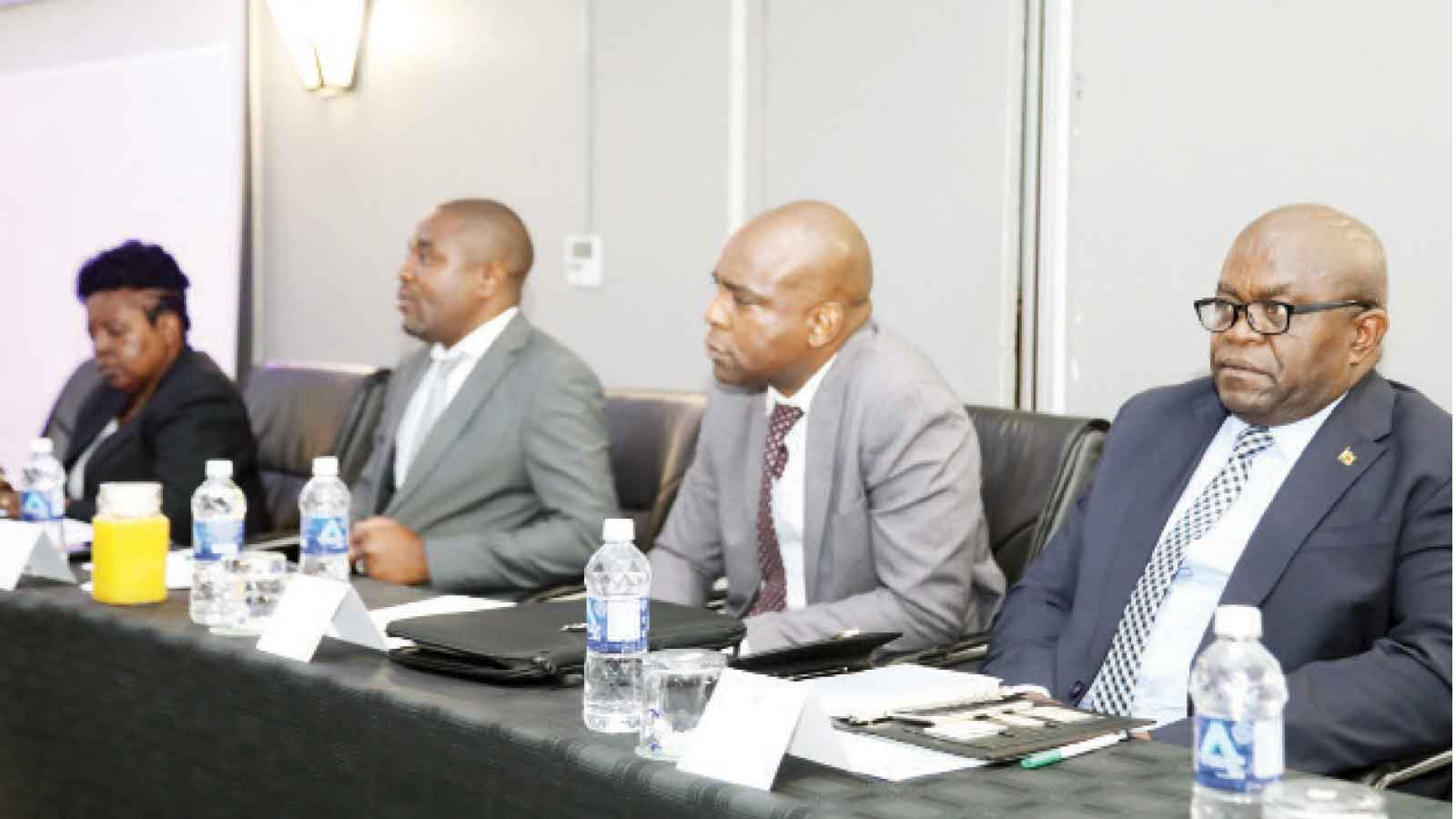
Speaking at the Annual Smart Farming Indaba hosted by Global Renaissance Investments in Harare on Wednesday, Deputy Minister Haritatos said the agriculture sector was at the forefront of these challenges and it needed to embrace innovative solutions to ensure the resilience and sustainability of food production systems.
With smart farming practices, he said, the sector can overcome some of these challenges. The remarks also come at a time when the country is confronted with an El Nino weather phenomenon characterised by long dry spells and hot weather patterns, affecting agricultural activities.
“As we are finding the realities of climate change, it becomes clear that some of our current farming practices are no longer sufficient. We now need to consider smart farming practices
“Smart farming encompasses a wide range of strategies, technologies and initiatives that leverage on cutting-edge innovation to optimize resource utilisation, reduce negative environmental impact and maximise yields.
“By integrating technology into agriculture, we can monitor and manage our farms in real time, make data-driven decisions and implement precision farming techniques that maximise waste and enhance efficiency,” he said.
He added that transformative practices will not only mitigate the impact of drought but also lead to increased productivity and food security.
The key strategy in smart farming, he said, is the adoption of precision systems. These systems allow farmers to deliver the right amount of water to crops at the right time, significantly reducing water wastage and optimising usage, as an example.
“Another crucial aspect is the integration of climate-smart agricultural practices. These practices involve the use of resilient crop varieties, soil conservation techniques and the implementations of agroforestry systems,” he said.
The use of advanced technologies like drones and satellite imagery can provide valuable insights into crop health, soil moisture levels, and pest infestations.
Deputy Minister Haritatos also called for multi-stakeholder collaboration encompassing the Government and the private sector.
The Government, he said, had a role to ensure there is an enabling environment for farmers as well as being committed to providing them with the necessary training and support to embrace these innovations confidently.


 Online Reporter