Chronicle Editor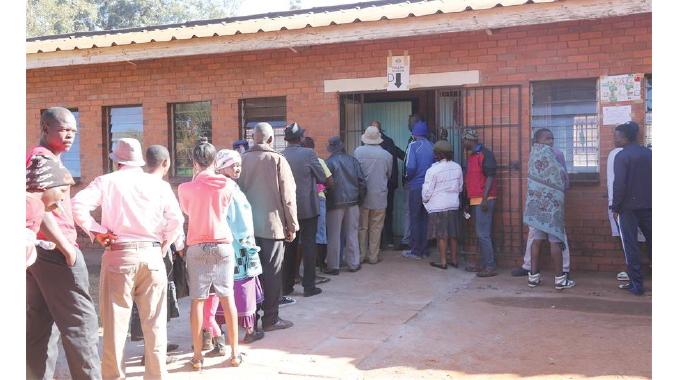
Stanford Chiwanga, [email protected]
ZIMBABWE’S harmonised elections on 23 August offer a crucial opportunity to reflect on the significance of a uniform and standardised election system within the SADC region.
By embracing a consistent approach to conducting elections, SADC countries can promote regional integration, foster democracy, enhance transparency, and ensure that elections are conducted in a free and fair manner.
A uniform election system within the SADC region would serve as a powerful symbol of the member states’ commitment to democratic values and regional cooperation. By adhering to common electoral standards, SADC countries can build trust among their citizens and demonstrate their dedication to upholding the principles of inclusivity, equal representation, and the right to vote. Such a unified approach would promote a shared sense of purpose and solidarity among member states, strengthening the regional integration process.
Standardised election systems promote transparency and accountability, which are fundamental pillars of a healthy democracy. By establishing uniform rules and procedures, SADC countries can minimise inconsistencies and ambiguities that often lead to doubts about the fairness of elections. This, in turn, fosters public trust, as citizens have greater confidence that their votes will be counted accurately and their voices heard. Transparent and credible elections not only strengthen democracy within each country but also contribute to the overall reputation and image of the SADC region on the global stage.
Furthermore, a consistent approach to voter registration is crucial for ensuring an accurate and inclusive voter list. A uniform election system could establish guidelines for the registration process, including the use of biometric technology to prevent duplication and promote transparency. This would help mitigate concerns of voter fraud and manipulation, contributing to the credibility and legitimacy of the electoral outcomes. Harmonising voter registration processes across the region would also facilitate cross-border engagement and promote the rights of citizens residing in different SADC countries.
For decades, there have been complaints from some losing parties and candidates that elections in Africa are generally undemocratic due to various factors. A uniform election system can address such concerns and help level the playing field, creating a conducive environment for fair and competitive elections. Common guidelines for campaign financing, media coverage, and voter education can reduce the influence of money and power imbalances, ensuring that elections are decided based on the will of the people rather than external factors. This creates a stronger democratic foundation and enhances the legitimacy of elected governments, fostering political stability within the SADC region.
Implementing a uniform election system in the SADC region would also emphasise the importance of strengthening election administration bodies. It would encourage the establishment of independent and impartial electoral commissions that can effectively oversee the entire electoral process, from voter registration to the announcement of results. Through capacity building, training, and knowledge sharing, SADC countries can enhance the professionalism and efficiency of their election management bodies, contributing to the overall effectiveness and credibility of the election system.
Moreover, using the same framework for elections would encourage SADC countries to share best practices and technical expertise. This collaborative approach would allow member states to learn from each other’s successes and challenges, ultimately improving the overall quality of their election processes. By leveraging the collective knowledge and experiences of member states, SADC countries can continuously enhance their electoral systems, ensuring they remain at the forefront of democratic excellence.
With improved election processes, SADC countries would be better equipped to host and conduct international election observation missions. This would involve inviting observers from fellow member states, as well as external organisations, to observe the electoral process and provide impartial assessments. Such observation missions enhance transparency, build confidence, and provide valuable feedback for improving future elections. A standardised election system would facilitate the smooth functioning of these observation missions, reinforcing the region’s commitment to upholding democratic principles and international standards.
In addition to the democratic benefits, implementing a uniform election system in the SADC region has the potential to yield significant economic advantages. Transparent and fair elections contribute to political stability, which is a key factor in attracting foreign investment and promoting economic growth. Stable democracies with reliable election systems are more likely to foster an environment conducive for trade, business partnerships, and regional economic integration. A standardised election system would enhance the region’s international reputation as a reliable and attractive investment destination, leading to increased economic cooperation and prosperity among member states.
Furthermore, a uniform election system would facilitate the seamless coordination of electoral processes across SADC countries, simplifying cross-border activities and collaboration. Harmonising electoral laws, regulations, and procedures would reduce barriers and bureaucratic hurdles, making it easier for citizens, political parties, and organisations to engage in regional political activities. This streamlined approach to elections would foster a sense of unity and shared purpose among member states, promoting a stronger regional identity and facilitating greater cooperation in various sectors beyond politics.
The implementation of a uniform election system in the SADC region would also strengthen the regional framework for conflict prevention and resolution. By ensuring that elections are conducted in a transparent and inclusive manner, the risk of electoral disputes and post-election conflicts can be mitigated. A standardised system would provide clear mechanisms for handling complaints and appeals, facilitating peaceful dispute resolution and preserving political stability within member states. This contributes to a more secure and peaceful region, supporting the overall objectives of SADC in promoting peace, security, and good governance.
A standardised election system within the SADC region would also facilitate the participation of marginalised and underrepresented groups in the political process.


 Online Reporter