Online Reporter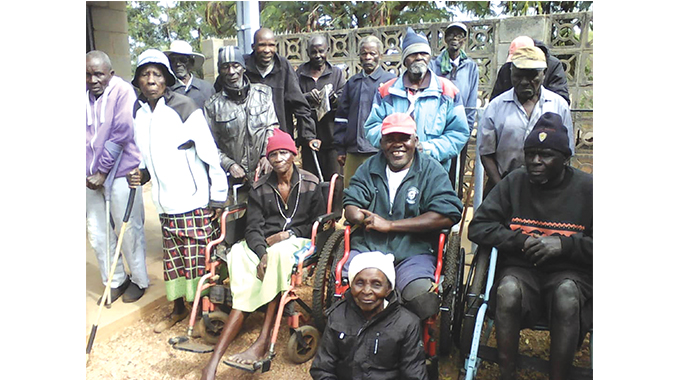
Wycliff Jakachira and Nathania Chitupa
Zimbabwe’s Constitution recognises the rights of older persons. It is unfortunate that despite this constitutional buffer, some elderly citizens in marginalised communities continue to face poverty, isolation and limited access to healthcare and social protection.
There is a serious gap between constitutional provisions and lived reality.
This situation calls for age-friendly services as practical solutions.
Examples from Manicaland Province illustrate challenges and existing initiatives but with policy reform, community engagement and improved service delivery elderly rights can be met and fulfilled.
When people hear “constitutional justice”, they often think of courtrooms, judges and legal arguments.
Yet true constitutional justice is experienced in everyday life.
It is seen when an elderly woman in Nyanga collects her medication without walking several kilometres (Mutasa District Health Report, 2025), or when a retired farm worker in Chipinge receives a social grant without undue delays (Zimbabwe Social Welfare Survey, 2024).
Justice is meaningful when it protects the dignity of vulnerable citizens.
The Constitution of Zimbabwe Amendment (No. 20) Act, 2013 provides a legal framework for protecting older persons. Section 82 guarantees reasonable care and assistance from families and the State and protection from abuse and neglect (Constitution of Zimbabwe, 2013). While the law sets a foundation, the challenge lies in translating these rights into tangible services (Gutu & Nyamandi, 2020)
Challenges in marginalised communities
Across Manicaland Province, elderly citizens face serious challenges.
With youth migrating to urban centres or abroad, many older persons are left as heads of households. Grandparents often care for orphaned or vulnerable grandchildren while relying on subsistence farming (Manicaland Socioeconomic Report, 2023).
Access to pensions and social assistance remains inconsistent, particularly for those employed in the informal sector (Zimbabwe National Social Security Authority, 2022).
Rural clinics often lack specialised geriatric services, leaving older patients without appropriate care (World Health Organisation, 2015). These realities highlight a persistent gap between constitutional rights and practical support.
Age-Friendly Services: From Policy to Practice
Age-friendly services provide practical solutions for addressing the physical, social and economic needs of elderly citizens.
Mobile clinics visiting remote wards can reduce travel burdens (Mutasa Health Outreach, 2024).
Priority service points at hospitals and Government offices can shorten waiting times. Infrastructure improvements — ramps, handrails and seating — enhance mobility. Predictable social protection schemes provide financial security, allowing older persons to live with dignity.
These measures are consistent with United Nations principles, which emphasise dignity, independence, participation and care for older persons (United Nations Principles for Older Persons, 1991). Local examples in Manicaland demonstrate that change is possible: some clinics prioritise elderly patients, and churches and community organisations provide home visits and food hampers (Chitupa, 2025).
Why elderly rights matter
Protecting elderly rights is not charity — it is justice and sustainability.
Zimbabwe’s older generation contributed to nation-building through agriculture, mining, education, public service and participation in the liberation struggle (Moyo, 2018). Safeguarding their rights honours their contributions and reinforces constitutional values.
Economically, preventive healthcare and community-based support reduce emergency treatment and hospitalisation costs (WHO, 2015).
Supporting elderly caregivers strengthens families and stabilises communities. Age-friendly services therefore benefit both individuals and society.
Way Forward
There is need to ensure constitutional justice for elderly citizens through multi-level strategies that include policy and budget alignment. The Parliament of Zimbabwe needs to prioritise budgets for social protection and geriatric healthcare.
Another intervention would be engagement with local authorities in integrating elderly focused planning into infrastructure and urban development.
Families, churches, civil society and youth organisations should engage in awareness campaigns and volunteer support programmes.
There is also need for regular audits and accountability mechanisms to ensure funds and services reach intended beneficiaries.
In summary, advancing elderly rights in marginalised communities is both a constitutional and a reflection of Zimbabwe’s humanity.
While the Constitution provides legal protection, effective implementation requires coordination among government, communities and family.
Protecting the dignity, independence and well-being of elderly citizens ensures that constitutional justice is not only a promise on paper but a reality in everyday life.