Online Reporter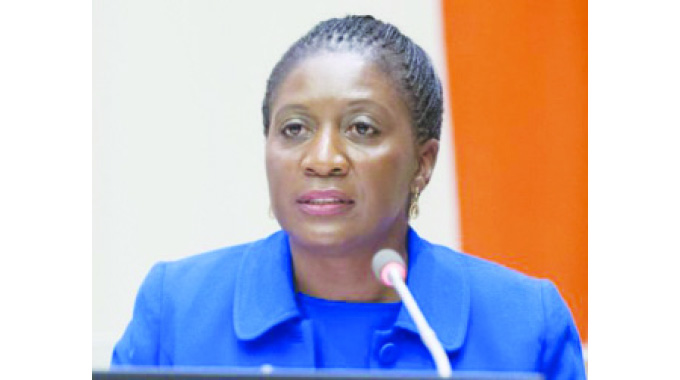
Michael Tome
Business Reporter
THE African Development Bank (AfDB) has raised this year’s projected economic growth rate for Zimbabwe to six percent from its earlier forecast of 5,3 percent.
The bank cited the expected strong agricultural performance and declining inflation for its revised economic growth projection for the country in 2025.
Agriculture is forecast to grow by 12 percent this year, after contracting by an estimated 15 to 21,2 percent, weighed down by the impact of the El Niño-induced drought.
Zimbabwe’s monthly inflation rate for the local currency, Zimbabwe Gold (ZiG), shed 0,6 percentage points in May to 0,3 percent in June.
The US dollar monthly inflation rate was little changed at minus 0,2 percent in June from minus 0,3 percent in May.
The pan-African bank’s deputy director general for Southern Africa, Ms Moono Mupotola, revealed the new projection at the launch of the Zimbabwe Country Focus Report 2025 in Harare yesterday.
AfDB’s latest projection tallies with Finance, Economic Development and Investment Promotion Minister Professor Mthuli Ncube’s national budget forecast of six percent, driven by increased agricultural production, stable exchange rate and low inflation.
This comes as authorities have implemented several policy reforms to improve the economic environment and the ease of doing business, including tight fiscal and monetary policies to keep a lid on inflation.
In recognition of these efforts, the AfDB commended the Government’s ongoing policy reforms, including initiatives around the new currency, which have stabilised the country’s macroeconomic environment.
Ms Mutopola said the reforms had brought about an appreciable degree of economic stability, as reflected by several key indicators, including rising domestic revenues and a manageable fiscal deficit.
According to the AfDB, these developments are crucial in laying the groundwork for sustainable economic growth.
The AfDB’s recognition of these milestones highlights the potential for long-term economic growth and development in Zimbabwe, driven by the Government’s commitment to reform and stabilisation.
Launched under the theme, “Making Zimbabwe’s Capital Work for Africa’s Development”, the country focus report underscores the need for Zimbabwe and Africa to reconsider how they manage and utilise their extensive capital assets: natural, economic, financial and institutional resources.
Further, the report recommends strengthening economic governance and the rule of law to boost investor confidence, curtail capital outflows and reform State institutions, especially State-owned enterprises and public financial management systems. These efforts would, expectedly, enhance domestic resource mobilisation and improve service delivery.
The Zimbabwe Country Focus Report also calls for increased private sector participation through availing innovative financing, diaspora engagement and public-private partnerships to bridge the development financing gap.
Ms Mupotola said these priorities were based on Zimbabwe’s ongoing challenges and were intended to address persistent issues that hinder productive use of capital and deter investment.
“A recovery is expected in 2025, with real GDP growth projected at six percent, supported by a 12,8 percent rebound in agriculture and inflation moderating to around 20 percent.
“I am encouraged that the Government of Zimbabwe is taking steps to implement key reforms that are already delivering results. For example, Zimbabwe has made commendable strides in stabilising the macroeconomic environment.
“The introduction of the Zimbabwe Gold currency has brought a considerable degree of stability, domestic revenues are rising and the fiscal deficit has remained within manageable bounds since 2021.
“These are significant steps that lay a foundation for sustainable growth. I am aware that public debt and arrears remain obstacles to accessing international finance. It is in this context that the African Development Bank is leading its debt resolution efforts,” said Ms Mupotola.
Permanent Secretary for Finance, Economic Development and Investment Promotion, Mr George Guvamatanga, represented at the event by Mr Elson Chuzu, said the Government was committed to collaborating with regional organisations to shape the country’s economic path.
“The Government is dedicated to working with regional institutions and implementing the recommendations contained in the report, adapting them where necessary.
“There is still room for improvement in our economy, especially regarding expanding the tax base and formalising the informal sector,” said Mr Guvamatanga.
Zimbabwe National Chamber of Commerce (ZNCC) chief executive officer Mr Christopher Mugaga expressed confidence that the local economy would grow if the government avoided streamlining the tax spectrum and maintained focus on an inclusive approach in formulating and implementing economic policies.
“We strongly believe that deepening domestic debt markets can be achieved by broadening the tax base to include a wider range of individuals and businesses. This would create a more sustainable and equitable tax system that encourages economic growth and reduces the financial strain on a few,” said Mr Mugaga.
According to AfDB, although Zimbabwe has made progress in stabilising its economy, it continues to face challenges such as regulatory complexity and limited access to monetary and affordable finance.
The report also calls for further reforms, such as investing in institutional capacity, aligning tax and investment policies with national development goals, and fostering stronger collaboration between the Government, the private sector, and development partners.
It further urges Zimbabwe to look outward and capitalise on opportunities within the African Continental Free Trade Area, adopt regional best practices in land and environmental governance, and align its ambitions with the African Continental Development Goals.