Chronicle Editor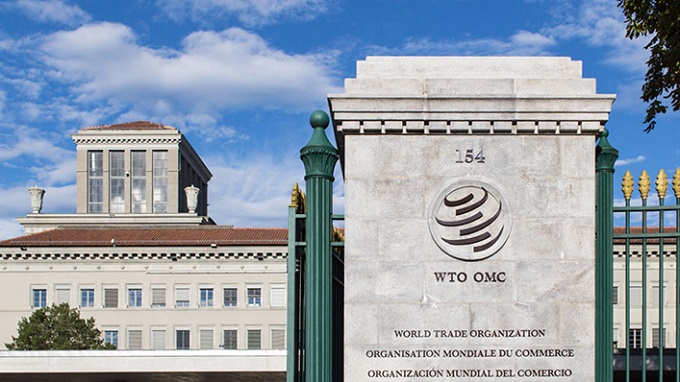
Business Reporter
THE African Development Bank Group has joined the World Trade Organisation and other multilateral development banks to reduce trade finance gaps that emerge as a result of the Covid-19 pandemic.
Since the beginning of the Covid-19 pandemic outbreak in December last year, multilateral development banks have stepped up their trade finance programmes to support essential imports and key exports as international corresponding banks have cut lending in many countries.
According to AfDB, the institutions said in a joint statement they would prioritise their support to areas in the world where such support is needed most, particularly the poorest countries.
“We share the concerns being expressed in markets and will work within our respective remits to make trade finance available through this difficult period, just as we did during the global financial crisis in 2008-10,” reads the joint statement.
In addition to the ongoing shocks to supply and demand, international trade has been affected by a reduction in the supply of trade finance.
AfDB said risk perceptions about non-payment in international trade are at the highest levels in a decade and banks are increasingly reluctant to take on payment risks in many countries where economic conditions are deteriorating.
Facilitating trade in medical supplies has been a significant part of these support packages.
With the approval of its $10 billion Covid-19 Rapid Response Facility in April 2020, the bank is providing up to US$1 billion in trade finance liquidity and risk mitigation support to local banks in all 54 eligible African member countries.
More support is necessary in the weeks and months ahead as the steep decline in the real economy starts to impact the financial system through loan defaults and corporate bankruptcies.
The regional financier also noted that many developing countries were experiencing significant trade finance shortages even before the Covid-19 crisis and as such they now face even tighter access to trade credit.
A further decline in trade finance supply would, in the short term, make it harder for imports of food and medical equipment to reach economies where they are urgently needed.
In the medium-term, it would impede the ability of trade to help drive economic recovery.
Insufficient trade finance threatens to compromise otherwise viable trade transactions, disproportionately affecting micro, small and medium-sized enterprises (MSMEs), which account for the bulk of employment in Africa.



 Online Reporter