Sifelani Tsiko-Fact Check Editor
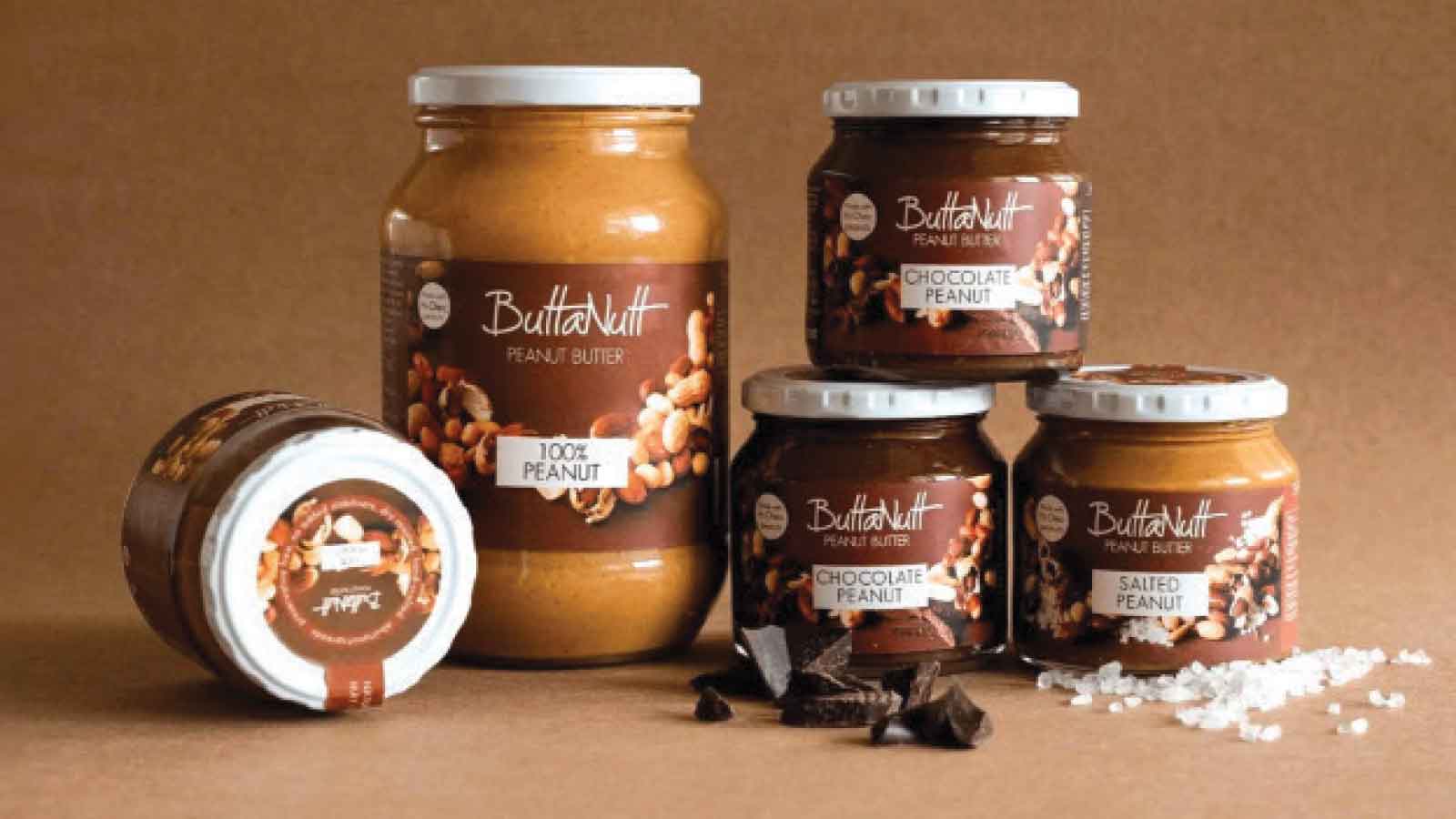
South Africa still remains a major supplier of peanut butter to Zimbabwe and a recent product recall notification from a product manufacturer, ButtaNutt (Pty) Ltd in that country should push local suppliers to take immediate action to protect consumers from dangerous products and save lives.
Recalls are one of the most common measures to mitigate the risks posed by dangerous products that have already been supplied to consumers.
In this report, we alert the public over the risks of the peanut butter brand that could be on Zimbabwean shelves. South Africa is the primary source of most peanut butter imports and the public should take heed and avoid buying the ButtaNutt brand following a recall over safety concerns linked to aflatoxin contamination.
Why should Zimbabwean companies and consumers stop buying the peanut butter linked to the ButtaNutt company?
A few days ago, the National Consumer Commission (NCC) of South Africa confirmed that it received a product recall notification from peanut butter manufacturer ButtaNutt (Pty) Ltd.
The commission said this was after tests revealed ‘higher-than-legally-permitted’ levels of aflatoxin in some of its products. It said aflatoxin is a toxin produced by certain fungi that can contaminate agricultural crops, including peanuts, and is regulated in South Africa due to the health risks it poses.
Zimbabwe, too, regulates crops and products that may contain this fungus to protect consumers. Even though Zimbabwe regulates the importation of basic goods, including peanut butter, which require licenses for commercial imports, some of the peanut butter often finds its way on to the local market through smuggling and licensed imports.
Through Statutory Instrument 64 of 2016 (SI 64), Zimbabwe controls the importation of basic goods, including peanut butter.
Secondly, it is important to note that South Africa supplies peanut butter to Zimbabwe that accounts for approximately 98,77 percent of total imports. Raw, shelled peanut imports from South Africa to Zimbabwe were valued at approximately US$2,85 million in 2024, trade figures show.
In addition, despite restrictions, specific provisions sometimes allow for the importation of limited quantities of basic commodities, including peanut butter, by individuals, often up to 2kg.
All this makes it important for suppliers and consumers to take the notification seriously.
Has the ButtaNutt company notified the National Consumer Commission of South Africa about the risks of its peanut butter batch containing high levels of aflatoxins?
Yes, it has notified the commission. Through shared information platforms, the commission also has a duty to share the findings with regional food safety regulatory authorities within the SADC region, including Zimbabwe.
“The National Consumer Commission (NCC) has received a product recall notification from a peanut butter manufacturer, ButtaNutt (Pty) Ltd. The recall is a result of higher-than-legally-acceptable levels of aflatoxin detected in the product,” the commission said in a statement.
“The affected products failed to meet the quality standards as set out under the Department of Health’s Regulation R.1145 Governing Tolerance of Fungus-Produced Toxins in Foodstuffs. Aflatoxin may lead to health complications including nausea, vomiting, and abdominal pain.”
What did the ButtaNutt company say about the latest product recall notification?
“ButtaNutt (Pty) Ltd has initiated a proactive recall of a limited number of peanut butter batches produced in late January 2026. This action follows our own internal routine testing, which identified aflatoxin levels above the South African regulatory limit of 10 ppb. While the majority of the affected stock was successfully secured and never reached the market, 83 individual units were released to retail shelves. Our primary focus is now on the recovery of these units to ensure the absolute safety of our customers.”
As a non-negotiable next step, ButtaNutt is implementing a “Positive Release” protocol. Moving forward, no single batch of peanut butter will leave our facility without its own verified, independent Aflatoxin Certificate of Analysis.
Which batches were affected?
Zimbabwean companies and consumers should check for the following batches as indicated by the ButtaNutt company:
• Chocolate Peanut Butter 250g: Best Before (BB) 15/07/2027
• 100 percent Peanut Butter 1kg: BB 17/07/2027
• 100 percent Peanut 2.5kg: BB 13/07/2027 or BB 28/07/2027
What local suppliers and consumers need to do
ButtaNutt said: “Please do not consume the product. Return it to the store where it was purchased for a full refund. If purchased online, email [email protected] with a photo of the batch to arrange a collection.” If in Zimbabwe, consumers need to return the products to the supermarkets they would have bought the products.
What are aflatoxins?
Health experts say aflatoxins are toxic chemicals produced by fungi which develop on maize, groundnuts, sorghum, wheat and other crops during hot weather and droughts.
They say in large quantities it can cause cancer in humans, and it can also be fatal for animals. Experts further say that exposure to aflatoxin can cause short-term health effects such as nausea, vomiting and abdominal pain, while long-term exposure has been linked to more serious conditions, including liver cancer.
Does Zimbabwe have mechanisms to manage aflatoxins?
Yes, it does. The Lands, Agriculture, Fisheries, Water and Rural Development is responsible for monitoring and aflatoxin risk management. This ministry is finalising the Aflatoxin Risk Management Programme for Zimbabwe. The multi-agency initiative under the Aflatoxin Proficiency Testing and Control in Africa (APTECA) brings together the Common Market for Eastern and Southern Africa (Comesa), government ministries, Harare Institute of Technology and international partners — the Texas A &M Agrilife Research in a major push to protect public health and secure Zimbabwe’s food security. This programme highlights Zimbabwe’s commitment to safeguarding public health, enhancing food safety, and protecting livelihoods in various food supply and distribution chains.
Why does Zimbabwe and other African countries need to manage the economic and food safety risk of aflatoxin contamination?
This is important to enhance food safety, food security and profitability for the agri-business. Authorities in Europe and the United States reject food imports that exceed strict aflatoxin levels and product returns have cost African countries more than US$750 million in rejected exports. Africa loses more than US$750 million due to aflatoxin contamination, incurs significant healthcare costs particularly the burden of cancer and suffers food insecurity as a result of crop losses.
More than 6 billion people in poor countries are constantly exposed to aflatoxins by unknowingly eating infected foods, scientists say. Reducing and eliminating contamination of African crops could offer considerable health benefits, Dr Melody Ndemera, a food safety expert at Harare Institute of Technology says.
“We need a robust mechanism to be able to manage and control aflatoxins. Emerging food and feed safety risks increase the disease burden for Zimbabwe and other African countries,” she said.
“We know that there are aflatoxins in our food, but we are not sure about the level of the risk and quantities involved. Over time, aflatoxins cause liver damage and cancer in humans and in animals — there are risks of liver damage, reduced growth and immune suppression.”
Around 2005, about 125 people died after eating aflatoxin-infected maize in Kenya while in Tanzania the death of 14 people was reported a few years ago.
What then needs to be done to mitigate aflatoxin contamination?
Dr Ndemera and other experts say, to mitigate aflatoxin contamination, there is need for effective sorting, cleaning, drying, packaging, adherence to hygiene and sanitary conditions in storage and transport, as well as through raising farmers’ awareness about aflatoxin contamination and prevention practices.