Online Reporter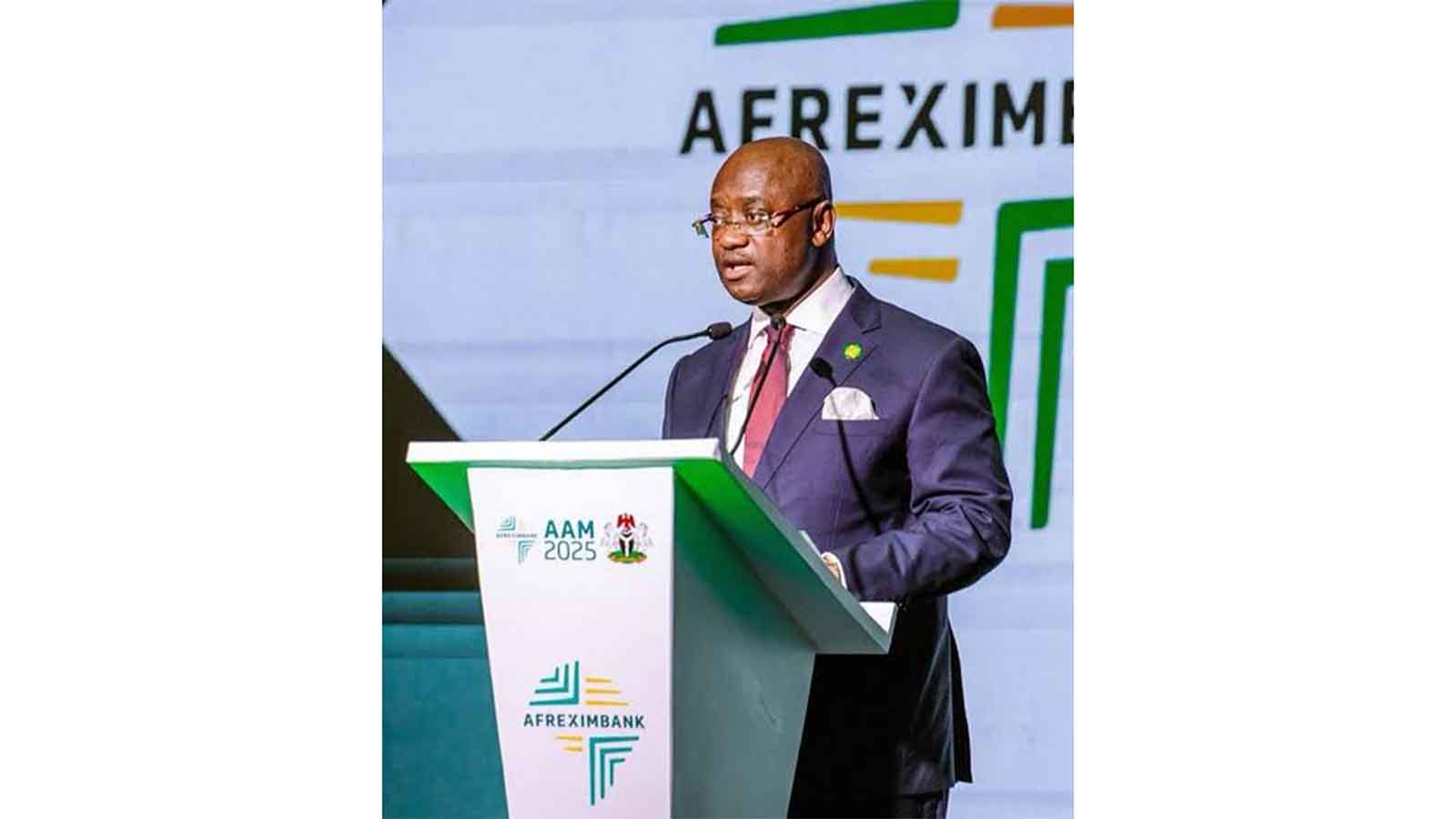
Business Reporter
The African Export-Import Bank (Afreximbank) has approved a $10 billion emergency intervention programme to protect African and Caribbean economies from the escalating economic fallout of the Gulf crisis.
The Gulf Crisis Response Programme (GCRP), launched on 31 March, comes after the conflict intensified on 28 February, sending shockwaves through global energy, fertiliser and food markets. The bank said the crisis had hit nations heavily dependent on imports from the Gulf region, as well as those exposed to shipping corridors such as the Strait of Hormuz.
In a statement released on April 7, 2026 , Afreximbank said the facility would provide short-term foreign exchange and liquidity to sustain essential imports including fuel, liquefied natural gas, food, fertiliser and pharmaceuticals. It will also offer pre-export finance, working capital and inventory financing to help African energy and mineral exporters capitalise on higher prices and rerouted trade flows.
Tourism and aviation industries, which have been severely disrupted by the crisis, will receive targeted relief under the programme. Longer-term, the bank said it aimed to build resilience by accelerating completion of critical energy, port and logistics infrastructure projects that had been delayed by the conflict.
Dr George Elombi, president and chairman of Afreximbank’s board of directors, said: “This crisis response programme is in tune with our DNA. We understand how our economies work and the pain points associated with these transitory crises.”
He added that the initiative would support African countries in adjusting smoothly to the crisis while strengthening their resilience to future shocks.
The GCRP builds on the bank’s previous emergency interventions, including a $4 billion Ukraine Crisis Adjustment Trade Financing Programme for Africa, under which Afreximbank disbursed $39 billion to help countries manage liquidity gaps and secure essential goods.
Afreximbank said it had already begun securing fuel, fertiliser and food imports through partnerships with banks and corporates. The bank will also coordinate a regional response alongside the UN Economic Commission for Africa, the African Union Commission, the African Continental Free Trade Area secretariat, and the Caribbean Community (CARICOM) secretariat to strengthen energy security, trade resilience and supply chain diversification.