

 Londile Moyo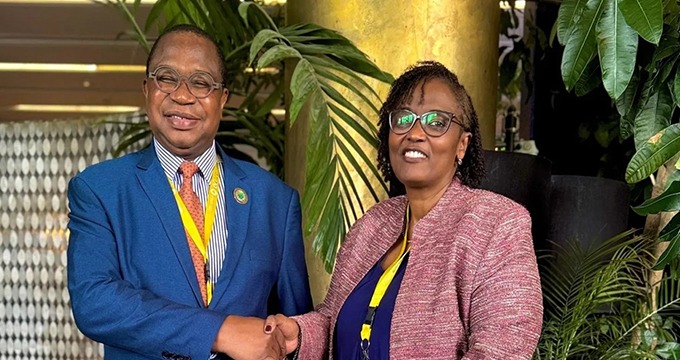
Prosper Ndlovu [email protected]
THE African continent should capitalise on effective taxation of ‘High-Net-Worth Individuals (HNWI) to assist countries to broaden their tax base, improve equity within tax systems and mobilise the domestic resources needed to finance development priorities.
Globally, the taxation of High-Net-Worth Individuals has become an increasingly important policy issue as governments seek to strengthen fairness in tax systems and ensure that wealthy taxpayers contribute their fair share.
This has inspires many tax administrations to introduce targeted measures to address aggressive tax planning practices and improve compliance among high-income individuals.
The African Tax Administration Forum (ATAF), a regional tax lobby organisation to which Zimbabwe is a member, on Monday released a new “Guide to Implementing an Effective High-Net-Worth Individuals (HNWI) Taxation Regime in Africa”, as part of measures to support African tax administrations in strengthening the taxation of wealthy individuals and enhancing domestic revenue mobilisation across the continent.
In a statement, ATAF executive secretary, Ms Mary Baine, was quoted saying: “effective taxation of High-Net-Worth Individuals can assist African countries to broaden their tax base, improve equity within tax systems and mobilise the domestic resources needed to finance development priorities”.
The new ATAF guide draws from the evidence-based study conducted by ATAF in 10 African countries to establish the existing policy and administrative gaps for the effective taxation of HNWI, said the agency.
It noted that the study also identified a range of opportunities and strategies that African countries can consider in establishing these regimes.
“Thus, the guide provides practical guidance on amongst other things; approaches for defining High-Net-Worth Individuals in the African context, policy options to be considered, as well as the the requisite administrative regimes and the need to leverage technology and data analytics for the identification and effective compliance monitoring and management of wealthy taxpayers,” said ATAF.
“The publication also highlights the importance of managing the political economy dynamics essential for the effective taxation of high-income individuals, recognising that sustainable reforms require both technical capacity and strong political backing, including from the ministerial and the top political leadership of a nation.”
At the moment, the contribution of wealthy individuals to overall tax revenues remains relatively limited. Studies estimate that only about five percent of Africa’s employed adult population pays Personal Income Tax (PIT), compared with approximately 50 percent in high-income countries.
In addition, more than 90 percent of PIT revenues in many African countries are collected from individuals in formal employment, highlighting the limited taxation of income and wealth generated outside formal employment structures.



 Online Reporter