Online Reporter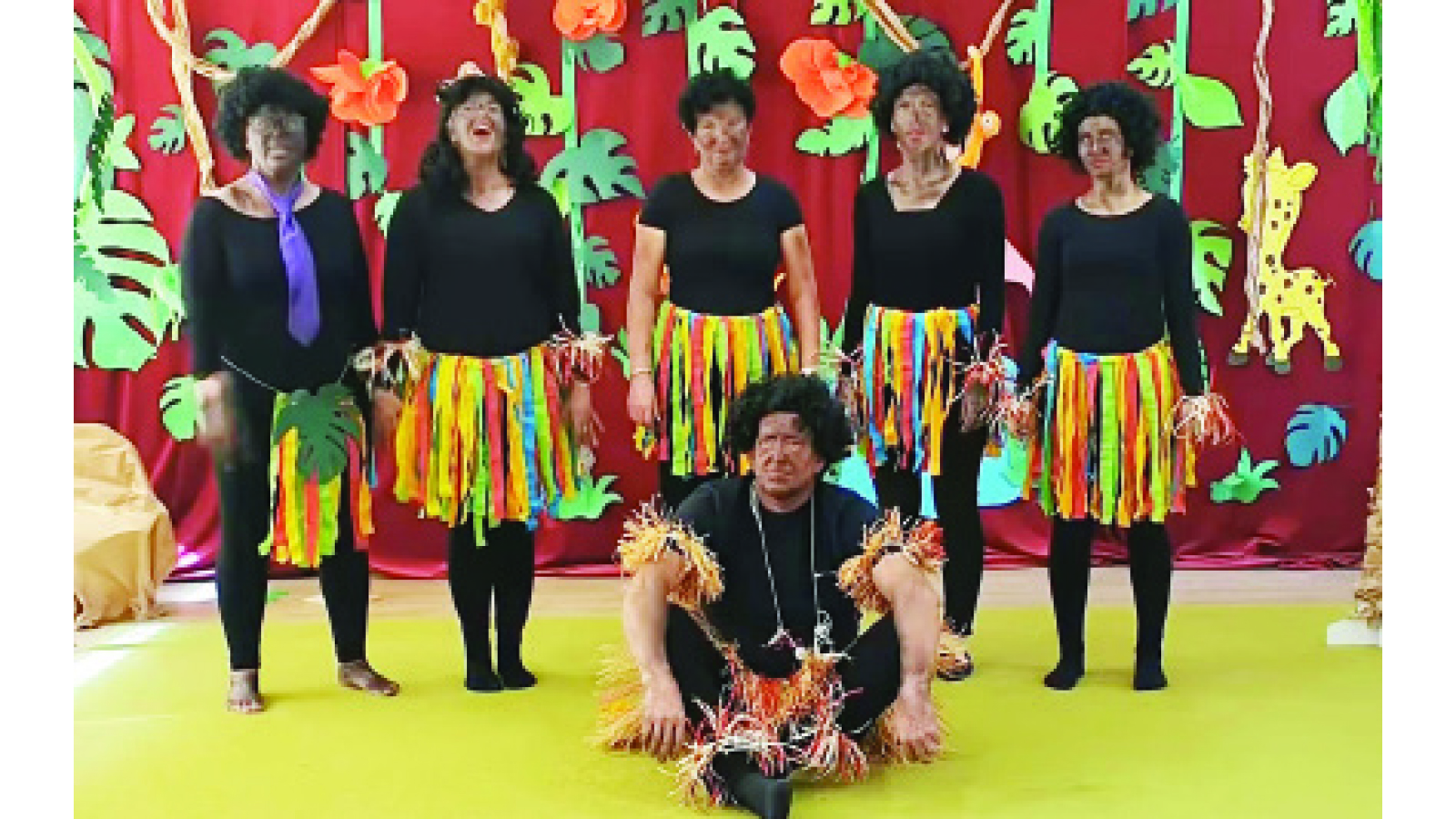
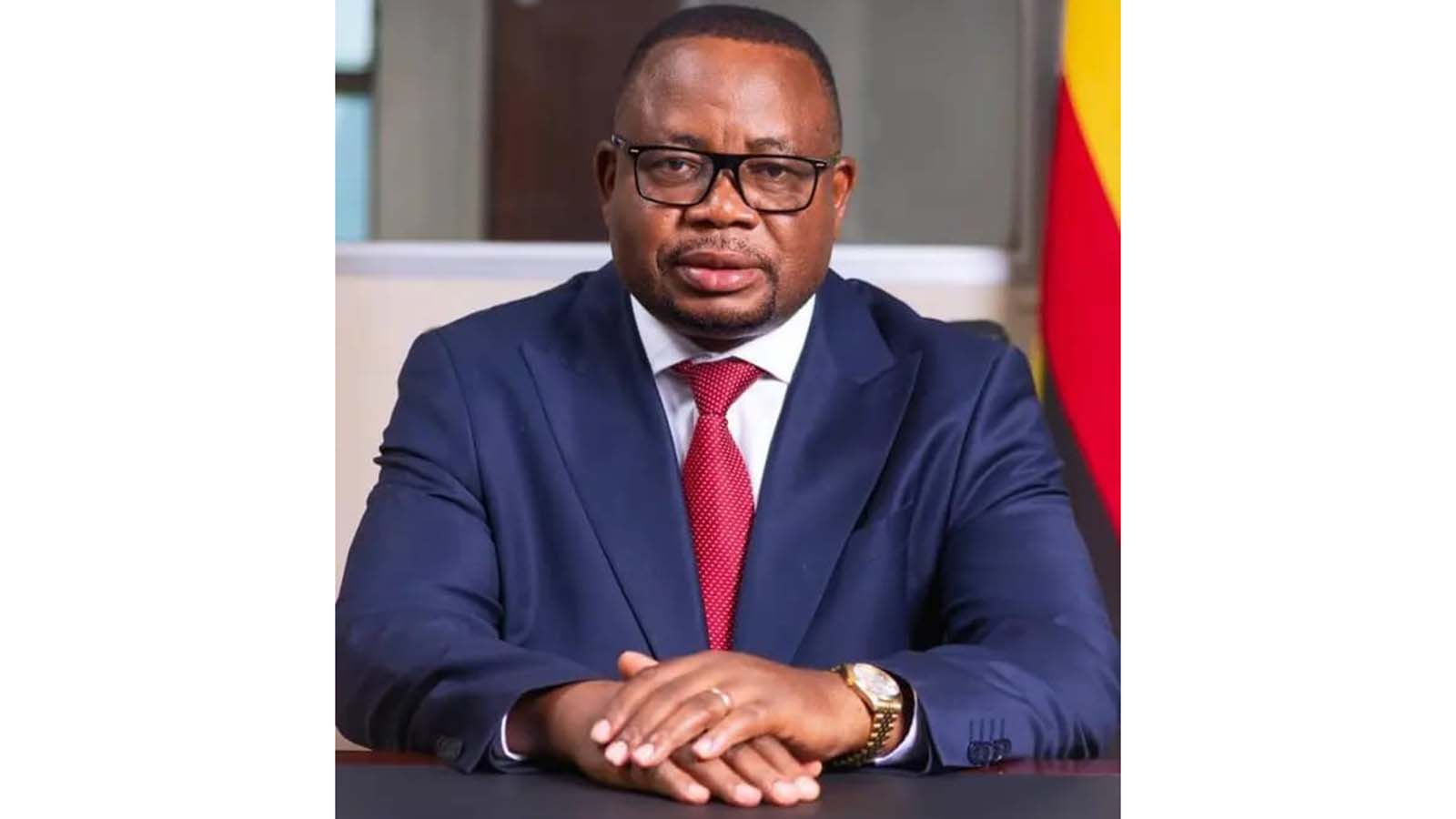
Ambassador Kwame Muzawazi
The Institute of African Knowledge (INSTAK) has long championed the African Renaissance, holding firm to the belief that the continent and its peoples must be at the centre and forefront of defining themselves.
THROUGH “The Africa Factbook”, first published by the Harare-headquartered Pan-African think tank in 2020, INSTAK’s raison d’être is to generate and disseminate credible research that promotes appreciation, adoption and application of African knowledge.
Now, the INSTAK Secretariat is taking the next logical step by going beyond the very important work of generating knowledge and information to practical advocacy initiatives.
In this way, the think tank will bring to life the research it conducts so that it makes a meaningful impact on Africans and the world.
In particular, INSTAK is taking “The Africa Factbook” and converting that research into legal action that seeks concrete justice for Africa and Africans.
The secretariat has completed documentation for three landmark cases that will soon be filed before the International Court of Justice (ICJ) and the European Court of Human Rights (ECHR).
The bases for the court applications are found in “The Africa Factbook” and are underpinned by international legal precedent and the strong moral conviction that it is up to Africa to make a bold stand in its quest for self-definition.
The legal action awaits formal approval from the INSTAK Board, which is chaired by eminent jurist, diplomat, nationalist and Pan-Africanist Professor Simbi Veke Mubako.
This independent Pan-African legal, intellectual and moral undertaking comprises three separate but academically inter-related legal actions.
In the first case, the INSTAK Secretariat will seek an advisory opinion from the ICJ on Africa’s right to reparations for slavery and colonialism.
While the research contained in “The Africa Factbook” provides the backbone for this aspect of the think tank’s legal action, it is also crucially framed within the African Union’s theme for 2025: “Justice for Africans and People of African Descent through Reparations”.
“The Africa Factbook” provides extensive documentation making a case for reparations, and this aspect of the legal action draws from various precedence in international jurisprudence; this includes German reparations for the Jewish Holocaust.
The INSTAK Secretariat’s position is that it is time the international community recognises in law what morality has long declared: Africa is owed not pity, but justice.
The second legal action deals with a pervasive yet little mentioned injustice that has a subtle but immense impact on the African psyche and standing in the comity of nations: the distortion of Africa’s true landmass on global maps.
For centuries, cartographers have systematically shrunk Africa and enlarged Europe and North America on world maps.
It must be appreciated that this manipulation is more than just an artistic or graphical issue.
This distortion, which is taught to all children across the world, is a visual and psychological narrative of inequality that reinforces the myth of African smallness in the global scheme of things.
“The Africa Factbook” comprehensively deals with this matter, providing unimpeachable modern scientific data showing that Africa’s land area is in fact far larger than the combined landmass of Europe, the United States and China.
By proposing to take this matter up with the ICJ, the INSTAK Secretariat seeks to correct a continuing injustice that has long shaped the world’s collective subconscious.
Thirdly, the INSTAK Secretariat wants to file a case with the European Court of Human Rights.
This legal action directly confronts degrading depictions of Africans in elements of Polish education and popular culture. In particular, the think tank takes issue with Julian Tuwim’s 1934 poem “Murzynek Bambo”.
The poem has been taught in primary schools since the 1930s, and although not part of the mandatory reading list today, it is available for instruction.
“Murzynek” is a racial label that was historically used in Poland to infantilise black people. Among other problematic verses, the poem reads: “Mother says, ‘Come bathe’/But he is afraid that he will wash out (and turn white).”
Without shame or compunction, generations of Polish children have been taught that Africans are dark-skinned because they do not bath. And just a few years ago, there was an outcry when white Polish teachers painted their faces black and publicly recited and performed the poem as part of a school show.
The perpetuation of such a grotesque notion is scientifically absurd, morally corrosive and a violation of human dignity.
INSTAK wants to use the Poland issue as a test case to challenge racial biases in education systems across the West and to force a rethink of how Africa is portrayed in classrooms and culture.
It must be noted that the INSTAK Secretariat’s actions are not inspired by hostility.
This is a matter of correcting the historical and contemporary record, and contributing to the shaping of a world in which Africans are accorded the dignity they deserve.
This practical application of “The Africa Factbook” speaks directly to the theme of that monumental publication: debunking myths, promoting truth and establishing dignity.
Naturally, there will be great resistance to these legal actions, as they tackle the core of long-ingrained racist attitudes towards Africa.
But INSTAK has never believed in claiming easy victories.
Similarly, there will be derision from fellow Africans who believe this will either be a waste of time or an unnecessary endeavour.
Again, INSTAK was established to contribute to the dismantling of the inferiority complex that centuries of race-based hegemony has inculcated in some of our brothers and sisters. There is no price too high for truth, and there is no struggle too long when the goal is dignity. The next frontier in Africa’s total liberation will be achieved not through guns or slogans, but with facts, law and conviction.
Ambassador Kwame Muzawazi is the chief executive of the Institute of African Knowledge (INSTAK), which is building Liberation City and the Museum of African Liberation in Harare