Online Reporter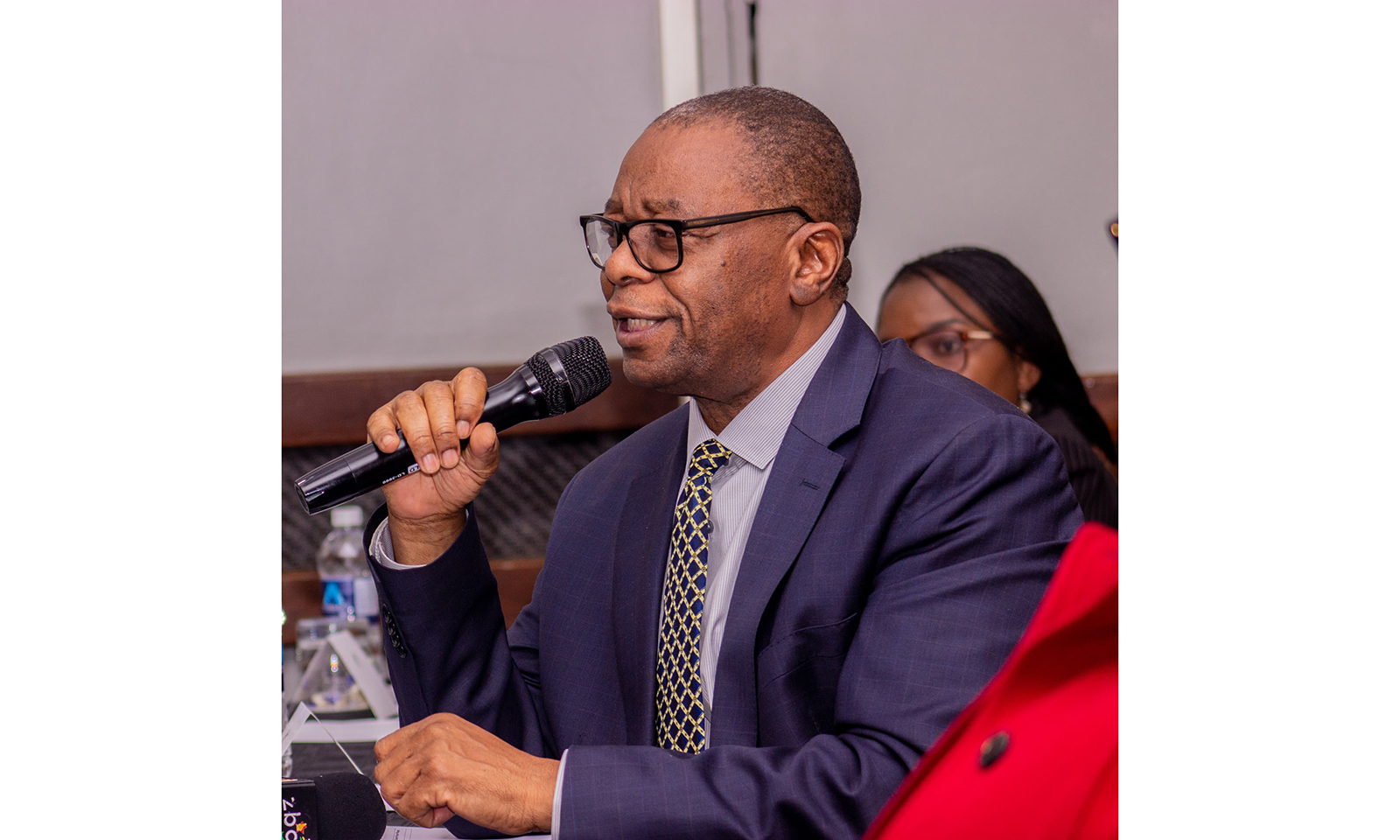
Rumbidzayi Zinyuke-Health Reporter
ZIMBABWE has called for a fundamental rethink of Africa’s health financing model, urging countries to reduce dependence on donor support for stronger, self-sustaining national systems.
Health and Child Care Minister Dr Douglas Mombeshora, who led Zimbabwe’s delegation at the 75th Session of the World Health Organisation (WHO) Regional Committee for Africa in Lusaka, Zambia, this week, said the time had come for African nations to put sustainable domestic financing at the heart of their reforms.
“For too long, our health systems have depended heavily on external support. While this has carried us through difficult times, recent withdrawals of donor funding have shown the fragility of such reliance. The future of African healthcare must be built on strong domestic financing and resilient national institutions,” he said.
Zimbabwe has taken deliberate steps to strengthen its health sector. The country’s budget allocation to health has risen from 9.82 percent in 2023 to 13.1 percent this year, edging closer to the Abuja Declaration target of 15 percent.
Beyond traditional allocations, the Government has introduced innovative financing streams, including levies on airtime, sugar, fast foods, and the long-standing AIDS Levy, ring-fenced to ensure funds directly support health priorities.
Dr Mombeshora said the country was finalising the National Health Insurance Scheme, which will be funded through earmarked taxes and other complementary mechanisms, to shield citizens from catastrophic out-of-pocket costs and improve access to essential services.
“National health insurance is one of the most effective ways to ensure financial protection and better access to care. Innovation matters, but protection of health funds matters even more,” he said.
Zimbabwe’s efforts have also extended to resilience-building. The country has invested in human resources for health, upgrading infrastructure, rejuvenating primary health care, and leveraging digital technologies to bring services closer to communities.
The minister highlighted the role of the private sector in complementing Government efforts.
“Through public-private partnerships and targeted investment, the private sector brings not only capital but also expertise and innovation,” he said.
The Lusaka meeting has brought together ministers and senior health officials from across the continent to consolidate Africa’s health agenda around universal coverage, emergency preparedness, malaria, maternal and child health, oral health, and blood safety.