


 Online Reporter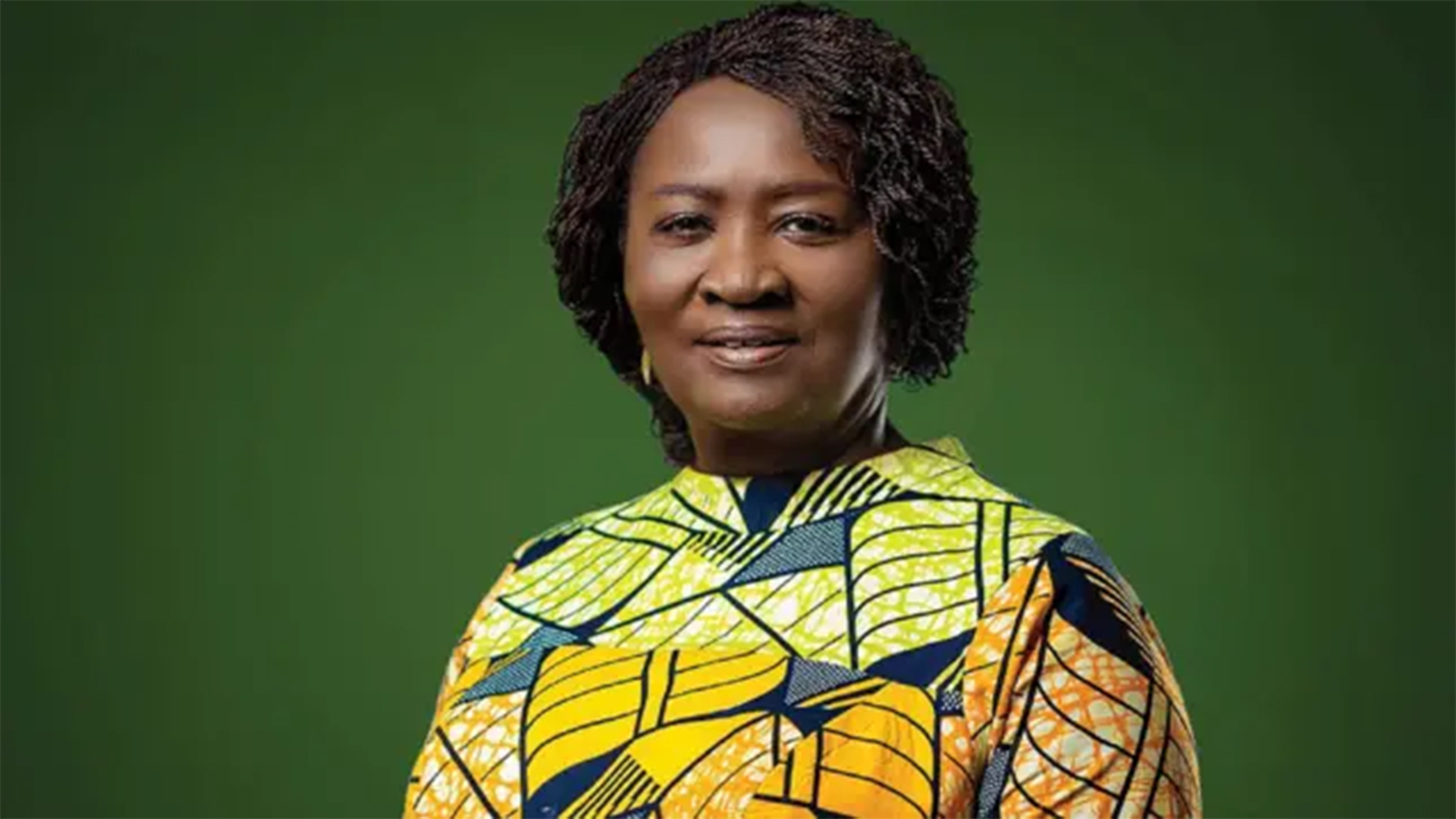
PULL QUOTE: ““Global health financing is tightening. Donor priorities are changing. HIV, TB and malaria programmes are feeling the strain. These shifts are difficult, but they push us towards responses that are Africa-led, sustainable and built to last. Since 2010, new HIV infections have fallen by 56 percent and AIDS-related deaths by 59 percent, yet too many are still being left behind.” — World Health Organisation (WHO) Africa regional director Dr Mohamed Janabi.
Rumbidzayi Zinyuke in ACCRA, Ghana
THE 23rd International Conference on AIDS and STIs in Africa (ICASA) opened here on Wednesday with strong calls for the continent to take full ownership of its HIV response, safeguard human rights and invest in sustainable health systems as global financing continues to shrink.
The conference, which is being held under the theme “Africa in Action: Catalysing Integrated Sustainable Responses to end AIDS, TB and Malaria”, seeks to reinforce Africa’s leadership in the HIV fight, accelerate uptake of new prevention tools and build resilient health systems capable of withstanding future shocks.
Its objectives include advancing scientific knowledge, promoting sustainable domestic financing, elevating community leadership, expanding access to innovations and strengthening health sovereignty across the continent.
Delivering the keynote address on behalf of President John Dramani Mahama, Ghanaian Vice President Jane Naana Opoku-Agyemang said the gathering was taking place at a time when donor priorities were shifting and global solidarity was under strain.
She cautioned that despite decades of progress, Africa’s gains remained fragile.
“For more than three decades, this has been a platform for Africa to reflect, confront, share scientific roots and reaffirm our resolve to end the public health threats caused by AIDS, TB and malaria. Donor priorities are changing. Fiscal pressures are tightening,” he said.
“Health emergencies are testing our systems. Africa must step forward with national leadership. We must form our agenda, define our priorities and build strong, sustainable, self-reliant systems.”
She added that progress made against HIV was both fragile and reversible, noting that it required sustained political, financial and social commitment.
The next five years, VP Opoku-Agyemang said, would determine whether Africa could truly end AIDS as a public health threat, emphasising that unity, consistency and long-term solutions must guide the continent’s efforts.
UNAIDS executive director Ms Winnie Byanyima said Africa was now facing one of the toughest funding environments in decades.
“International development assistance — what we call aid — is collapsing. There is donor fatigue, global economic shocks, competing crises and shifting priorities,” she said.
“External health aid is projected to drop by up to 40 percent this year from what it was in 2013. This sudden impact has been devastating for people living with HIV and at risk of HIV, but Africa is not being beaten down.
“Our continent is moving steadily towards more sustainable, inclusive and nationally owned HIV responses.”
She called for urgent debt relief, progressive taxation and investment in growth to position countries to fund their own health systems.
Turning to human rights, Ms Byanyima warned that restrictive laws, political tensions and gender inequality were driving new infections among the continent’s most vulnerable.
“Adolescent girls and young women continue to carry the heaviest burden of new HIV infections. In the whole world, 4 000 young women and girls acquire HIV every week, and 3 300 of them are here on our continent,” she said.
“They have less power, less protection under the law, less opportunity. This leaves them vulnerable to violence and infection, yet laws protecting their rights are under threat. To protect people’s health, we must protect their rights. There is no choice.”
She also urged pharmaceutical companies to widen licensing of long-acting HIV prevention drugs, stressing that Africa needed 20 million people on these interventions, not the current two million, to bend the curve of new infections.
In a message delivered to the conference, World Health Organisation (WHO) Africa regional director Dr Mohamed Janabi said the continent had shown its capacity to make remarkable progress, with infections decreasing by more than half since 2010.
“Global health financing is tightening. Donor priorities are changing. HIV, TB and malaria programmes are feeling the strain,” he said.
“These shifts are difficult, but they push us towards responses that are Africa-led, sustainable and built to last. Since 2010, new HIV infections have fallen by 56 percent and AIDS-related deaths by 59 percent, yet too many are still being left behind.”
He underscored the need for increased access to innovations, strong domestic financing, expanded manufacturing capacity, modern surveillance systems and stronger cross-sector collaboration.
ICASA 2025 president and Zimbabwe’s former Health Minister Dr David Parirenyatwa said ICASA remained a critical platform for advancing Africa’s scientific and political priorities.
“We were asking: Where are the medicines for Africa? Where are the research stations for Africa?
“Where are the manufacturing companies for Africa? This is what we have to mobilise; political will, science and communities within the African context. I am very pleased that ICASA is providing that platform.”
ICASA is the largest HIV/AIDS, STIs, TB, malaria and health systems strengthening conference in Africa.
The week-long conference is bringing together delegates from across the world to deliberate on financing pathways, scaling up long-acting HIV prevention, human rights, community-led systems, as well as strengthening Africa’s capacity to manufacture essential health commodities.



