Rumbidzayi Zinyuke
Senior Health Reporter
AFRICAN health ministers, former ministers and leading climate and health experts have called on the World Health Organisation (WHO) to declare the climate crisis a Public Health Emergency of International Concern (PHEIC), warning that extreme weather events are increasingly threatening lives and overwhelming health systems across the continent.
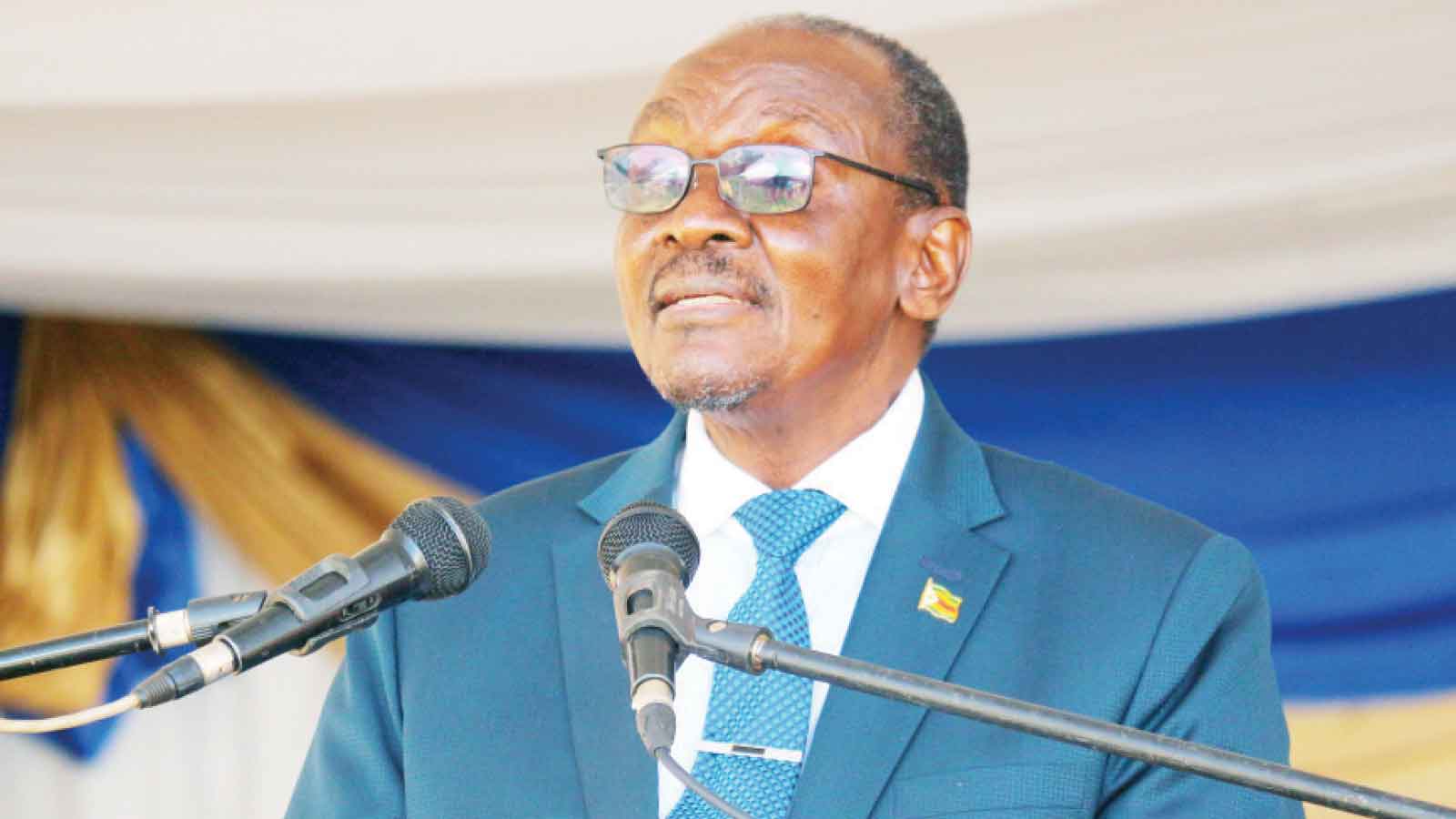
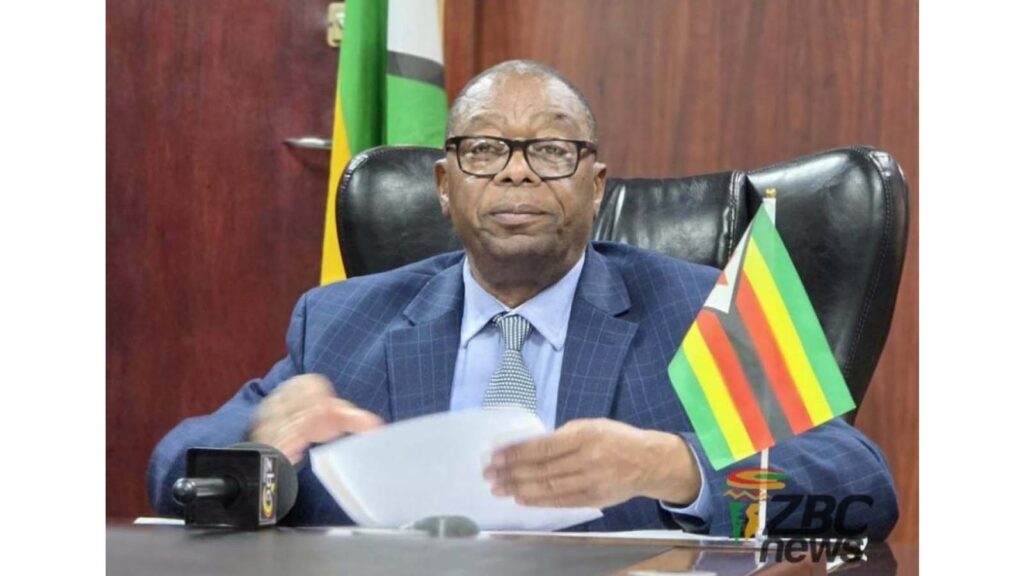
The appeal, published in The Lancet, one of the world’s most influential medical journals, brings together Zimbabwe’s Minister of Health and Child Care Dr Douglas Mombeshora, Namibia’s Minister of Health and Social Services Dr Esperance Luvindao, Senegal’s Minister of Health and Social Action Dr Ibrahima Sy, among other prominent African health and climate policy leaders.
This comes as African countries grapple with the health consequences of extreme heat, droughts, floods, food insecurity and infectious disease outbreaks, with vulnerable communities facing growing risks from increasingly unpredictable weather patterns.
Dr Mombeshora said Zimbabwe was already experiencing the effects of climate change on public health, particularly among women, children and vulnerable communities.
“In Zimbabwe, we are already seeing how climate change is affecting the health of our people, particularly women . children and vulnerable communities. Extreme heat, droughts and floods are placing additional pressure on families and our health services. This is why we have joined fellow African health Ministers in calling for the climate crisis to be recognised as a public health emergency of international concern,” he said.
The proposed declaration is intended to elevate the climate crisis within international public health governance and strengthen the political commitment, financing and coordination required to address its growing health impact.
For Dr Fortunate Machingura, Director of Climate, Environment and Health at CeSHHAR Zimbabwe, Continental Climate and Health Science and Policy Leader, and co-author of The Lancet correspondence, said the demand is rooted in the immediate human consequences of climate change.
“We can no longer wait for more lives to be lost, more mothers and children to suffer, or another cyclone, flood or deadly heatwave to remind the world of the crisis we are already living through. Our communities are scorching under extreme heat, our livelihoods are disappearing, and our people are dying. How many more lives must we lose before the world acts? Declaring the climate crisis a Public Health Emergency of International Concern is a critical step towards unlocking the political will, financing and collective capacity needed to confront this emergency. Africa cannot afford to wait. The world must act now,” she said.
The correspondence highlights the need for stronger preparedness measures, early-warning systems and investment in health facilities capable of maintaining essential services during climate-related emergencies.
Namibia’s Minister of Health and Social Services Dr Esperance Luvindao said her country was already experiencing the combined effects of changing rainfall patterns, flooding and the resurgence of malaria in its northern regions.
“In Namibia, we know what failed rains mean for a family that depends on the land for food, and what flooding means for a community already struggling to reach a clinic. The resurgence of malaria in our Northern regions adds to the pressure on our health services. These realities must carry the heaviest weight in international decisions on climate and health.
“Through our article in The Lancet, my fellow authors and I are calling for action before the next emergency overwhelms services our people depend on. That means financing countries can actually access, earlier detection of disease outbreaks, and health facilities equipped to keep treating patients when extreme weather strikes. We have a responsibility to prepare our health systems, and we take that seriously. Countries with the greatest historical responsibility must also meet theirs. We should not have to count preventable deaths before the urgency of this response is accepted,” she said.
The leaders argue that Africa faces a disproportionate burden from climate-related health threats despite contributing comparatively little to historical global greenhouse gas emissions.
The consequences extend beyond the immediate effects of extreme weather, affecting food security, livelihoods, maternal and child health, and access to essential healthcare.
The prospect of severe El Niño conditions has further heightened concerns about the need to anticipate overlapping climate and health emergencies before they overwhelm communities and health services.
Senegal’s Minister of Health and Social Action Dr Ibrahima Sy said West Africa was experiencing significant changes in health risks as a result of climate change.
“From the rising waters of our coastlines to the severe droughts affecting our interior, West Africa is experiencing a profound climate-driven health shift. Senegal’s participation in this Lancet appeal underscores our belief that the current international framework is failing to respond to the scale of the emergency. The WHO must trigger the PHEIC mechanism immediately to unlock the global coordination required to counter these compounding health threats,” he said.
The appeal calls on WHO to invoke the PHEIC mechanism under the International Health Regulations, which provides a framework for responding to public health events that may require coordinated international action.
Such a declaration would, however, require consideration of the legal criteria governing a PHEIC, including the nature and scale of the threat and its implications for international public health.
The leaders said the intervention is part of a broader push for African countries to play a greater role in shaping international climate and health policies, rather than remaining on the margins of decisions affecting their populations.
They called for a stronger international response involving WHO, African governments, global health institutions, climate financing mechanisms and development partners.