Gibson Mhaka in Moscow, RUSSIA
AFRICAN journalists attending the Third Russia-Africa Summit and Economic and Humanitarian Forum have reflected on the importance of preserving national identity after touring some of Moscow’s most iconic historical landmarks.
The journalists, representing several African countries, visited the Kremlin, Red Square and the State Kremlin Palace as part of the summit’s cultural programme. They also witnessed the changing of the Kremlin’s mounted and foot guards.
The tour offered the visiting journalists an opportunity to learn about Russia’s history and cultural heritage, with some saying the experience had prompted them to reflect on how African countries preserve and promote their own identities.
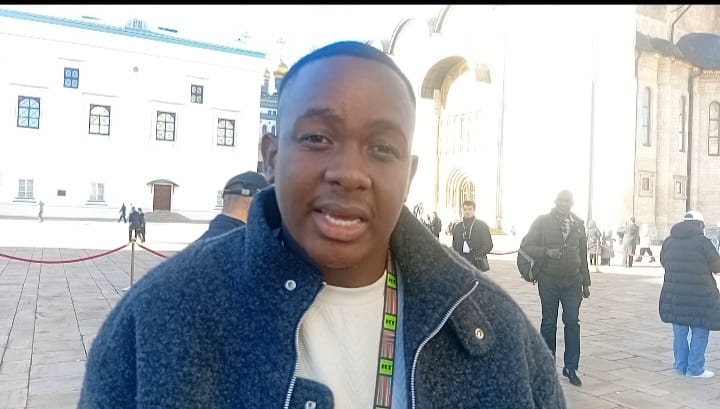
Zimbabwean journalist Panashe Nagoli said Russia’s approach to preserving its culture and history offered lessons for African countries.
“What we’ve seen over the past few hours is that this is a country, a city and a people that are deeply rooted in their culture,” he said.
“They have been able to preserve their identity and their culture over all these years. When you look at all the ceremonies they have been holding and the buildings they take us through, you realise that there is a cultural context, a historical context and an identity issue to it.”
Nagoli said Africans should take pride in their heritage and ensure it was passed on to future generations.
“I think that is something that, as Africans, we can actually take home, to be proud of who we are, to be proud of our culture, to be proud of our identity and to carry that forward,” he said.
He pointed to the use of Russian on traffic signs and public information as an example of how national identity is reflected in everyday life.
“We were laughing as we were on our way here, saying that all the traffic signs and everything written here are in their own language. There is no English. They are speaking their own language.
“That is something that, as Africans, we can actually look up to and ask ourselves: Who are we as Zimbabweans? Are we proud enough of our culture? Do we know our culture and our history? And can we convey that to people who come to our country, as has been done here?” he said.
Nagoli said the cultural programme was an important part of the wider summit, which brings African and Russian leaders together to discuss cooperation in various sectors.
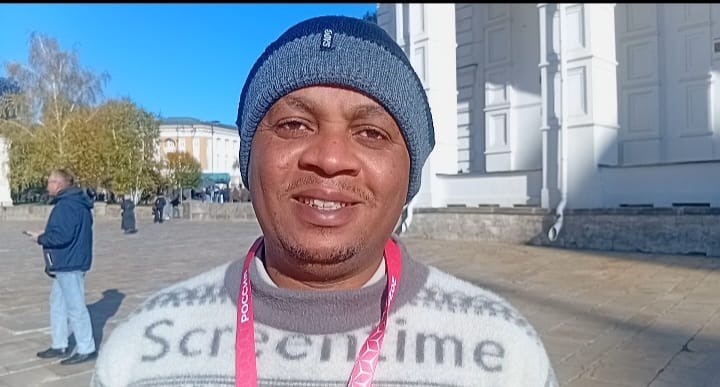
For Rwandan journalist Elia Byukusenge, visiting the Kremlin and its surrounding historical sites was an opportunity to experience Russian history and culture first-hand.
Byukusenge, who was visiting Russia for the first time, said the experience would enrich his work as a journalist.
“For sure, it is my first time to be here in Russia. Just to visit this area is a great thing for me because I have learnt about their culture and something about their history,” he said.
“Visiting this area around the Kremlin is a big thing for me. It is a big memory for me. It will help me as a journalist to report on the culture and history of this country.”
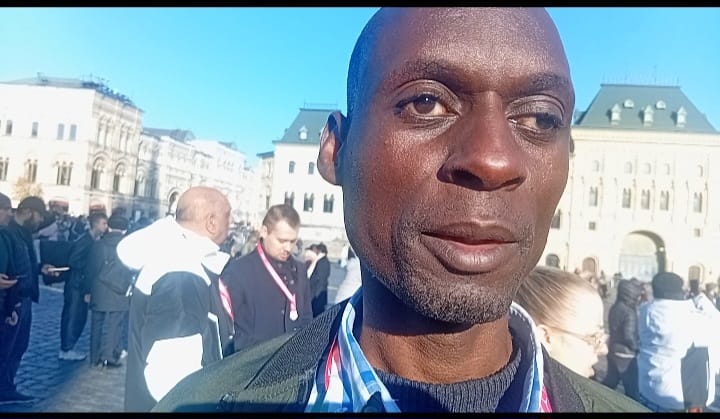
Malawian journalist Yamikani Stanley Simutime said his experience in Moscow had given him a different perspective on the country.
“Unlike what people say about Russia, associating it with war, that is different from what we have seen on the ground. Moscow is peaceful and a beautiful city, rich in history,” he said.
“We have seen a lot of buildings with historical significance.”
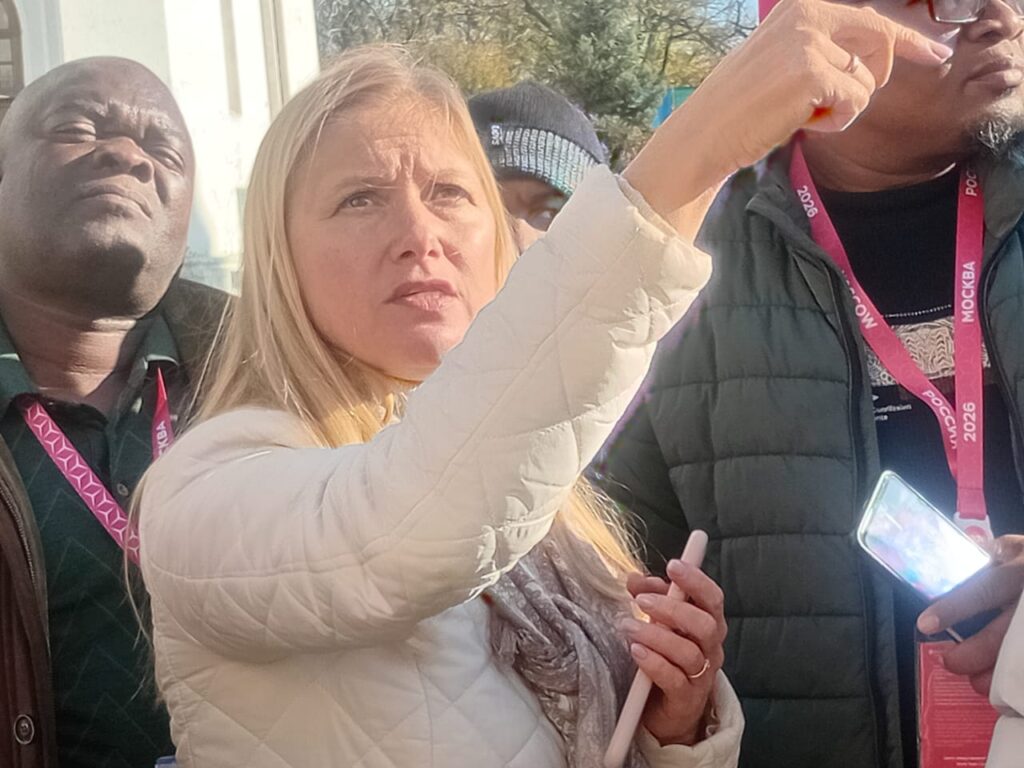
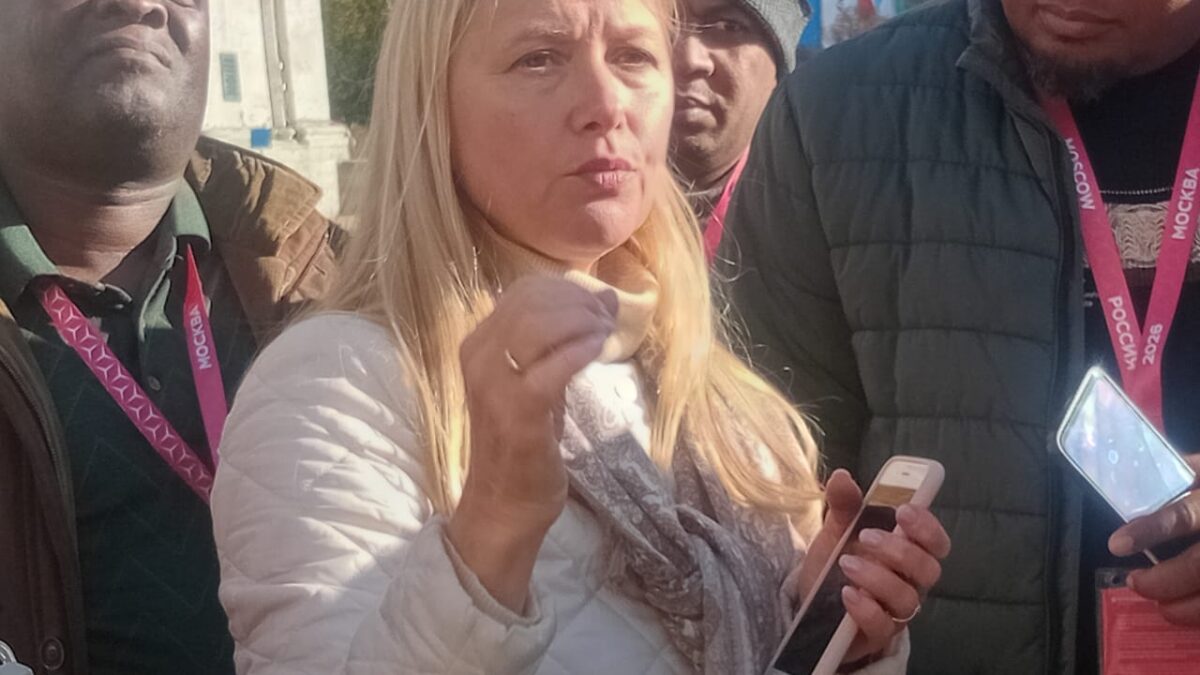
The journalists were guided through the Kremlin by Irina Obydenkova, a research fellow at the museum and a guide at the historic complex.
Obydenkova described the Kremlin as both an ancient fortress and a town, with monuments reflecting different periods of Russian history.
“The Kremlin is the centre of Moscow. Moscow is the capital of Russia, ancient Russia and modern Russia, and our President works on the territory of the Kremlin,” she said.
“It is an ancient fortress and a town at the same time. There are a lot of unique monuments which have survived from different periods of our history on the territory of the Kremlin.”
She said the complex was closely linked to major events in Russia’s past.
“All the most important events of Russian history are connected with the history of the Kremlin,” she said.
The Kremlin contains historic palaces, churches and Cathedral Square, as well as landmarks such as the Tsar Bell and Tsar Cannon. Its architecture also reflects cultural influences from beyond Russia, including structures built by Italian architects centuries ago.
“The walls of the fortress, churches and part of the palace were built by Italians,” Obydenkova said.
Despite Moscow’s growth into a major modern city, she said the Kremlin had retained its place at the heart of the capital.
“Moscow is now a huge city, but the Kremlin is still the centre of it — the ancient centre of modern, big Moscow,” she said.
The cultural programme complemented the summit’s political and economic engagements by giving the visiting journalists an opportunity to explore Russia’s history, architecture and traditions.