Online Reporter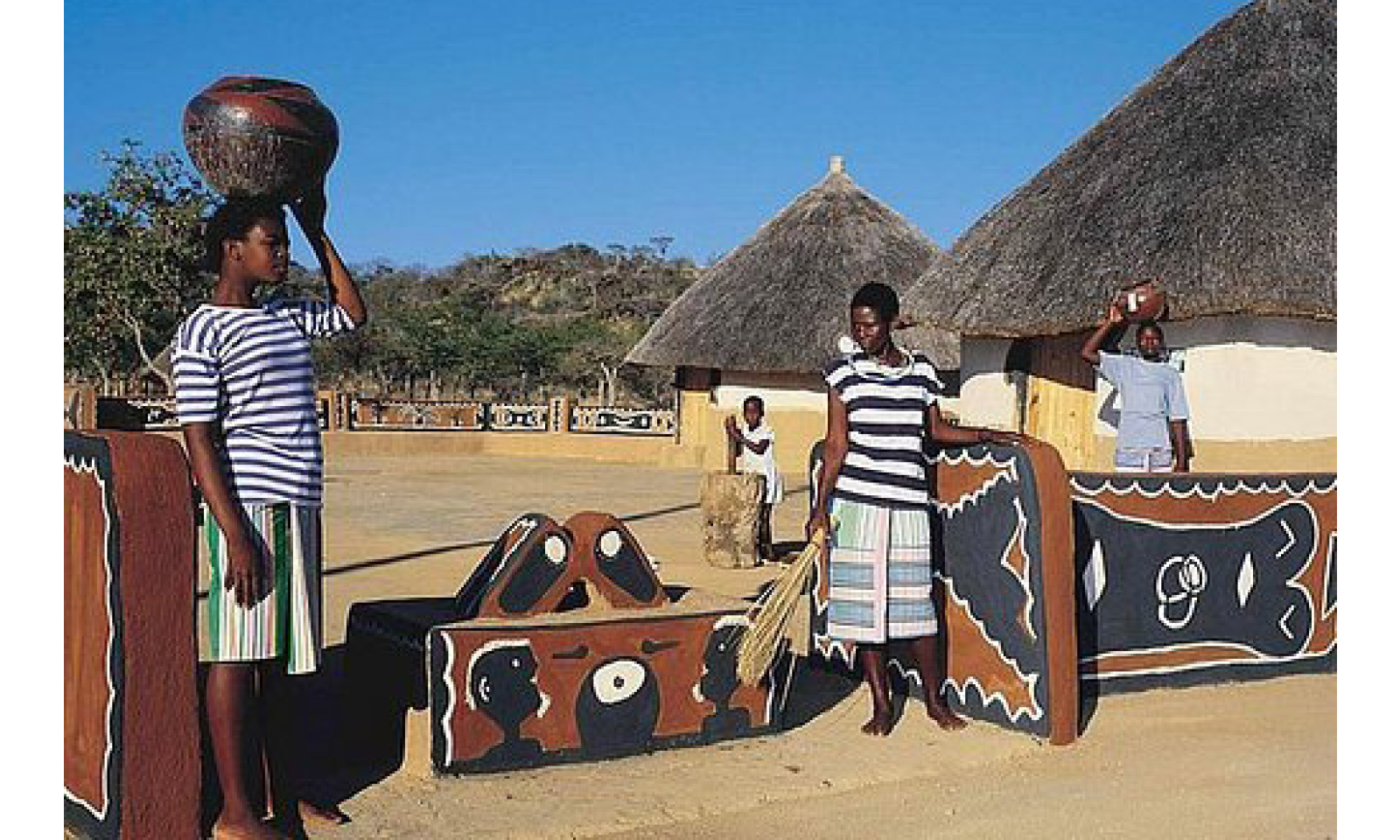
Charles Mavhunga
Tourism Branding
African traditional culture is often viewed through a lens of misconception, with many perceiving it as primitive, unchanging, or even barbaric.
However, this perspective overlooks the rich and diverse cultural heritage that has been the bedrock of African societies for centuries.
In reality, African traditional culture is a vibrant and dynamic force that has been a source of innovation and creativity, shaping the continent’s history and identity.
Through leveraging this cultural heritage, African tourism can offer unique and authentic experiences that showcase the continent’s rich traditions and customs.
The Dynamic Nature of African Traditional Culture
One of the most significant misconceptions about African traditional culture is that it is static and unchanging. On the contrary, African cultures have always been adaptive and responsive to new ideas and challenges.
For example, the ancient kingdoms of Ghana, Mali and Songhai were renowned for their sophisticated systems of governance, architecture, and agriculture, which were developed through a combination of traditional knowledge and innovative practices.
These cultural and historical sites can be developed into tourist attractions, providing visitors with a glimpse into Africa`s rich past and its contributions to world civilisation.
Tourism Innovation Opportunities
African traditional culture offers a wealth of opportunities for tourism innovation. Cultural tourism, for instance, can provide visitors with an immersive experience of African traditions, music and art.
Traditional festivals and events, such as the Maasai Mara annual wildebeest migration festival, can be showcased to attract tourists. Additionally, traditional homestays
Community-based tourism initiatives can allow visitors to experience African hospitality and way of life firsthand.
A Personal Experience
I recently had the privilege of attending the funeral of a family elder, Mr Elias Mujuru, in Devedzo, at Dambatsoko, Mujuru Village, Manicaland Province. The burial was a testament to the rich cultural heritage of African traditions. The ceremony was accompanied by the soulful sounds of Mbira players, composed by Mujuru Boys (Stanley, Munyaradzi, and others) who played Mbira throughout as the coffin was being lowered into the grave.
The intricate patterns and rhythms of the Mbira music were truly captivating, and the emotional resonance of the ceremony was palpable. This experience highlights the importance of preserving and promoting African traditional culture, not only as a way of honouring our heritage but also as a means of showcasing our unique cultural identity to the world.
The Creative Expression of African Traditional Culture
African traditional culture is a rich source of creative expression, with vibrant music, dance, and art forms that have influenced global popular culture. The rhythms and melodies of African music has been incorporated into various genres, from jazz and blues to rock and hip-hop.
The intricate patterns and designs of African textiles and wood carvings have also inspired artists and designers worldwide. These cultural expressions are not only a source of pride for African communities but also a valuable resource for tourism development.
The diversity of African traditional music and dance is staggering, with different regions and communities having their unique styles and traditions. For example, the Maasai people of East Africa is known for their traditional jumping dance, known as the “Adumu,” which is a spectacle of strength, agility, and cultural pride.
The Yoruba people of West Africa are renowned for their vibrant traditional clothing and textiles, which are often adorned with intricate patterns and designs that tell stories of their history and mythology.
These cultural expressions can be showcased through festivals, performances, and exhibitions, providing tourists with a unique and memorable experience. Cultural festivals, such as the Cape Town International Jazz Festival in South Africa or the Festival au Désert in Mali attract thousands of visitors each year and provide a platform for African artists to showcase their talents.
Traditional dance and music performances, such as the Ghanaian Azonto dance or the South African gumboot dance, can be staged in tourist areas, providing visitors with a glimpse into Africa`s rich cultural heritage.
Potential Tourism Products
Some potential tourism products that can be developed based on African traditional culture include:
Cultural homestays and community-based tourism initiatives
Traditional festivals and events
Music and dance performances
Art exhibitions and workshops
Traditional craft and textile sales
Guided tours of historical and cultural sites
Through showcasing African traditional culture respectfully and sustainably, tourism stakeholders can contribute to the preservation and promotion of Africa`s rich cultural heritage while also generating economic benefits for local communities.
Conclusion
In conclusion, African traditional culture is a living, breathing entity that continues to thrive and evolve, shaping the present and future of the continent. It is a vibrant and dynamic force that has been a source of innovation and creativity for centuries, and its significance extends far beyond its cultural value.
Through recognising and valuing the innovative spirit of African cultures, tourism stakeholders can unlock new possibilities for creativity, entrepreneurship, and sustainable development, driving economic growth and improving livelihoods for local communities.
It is time to challenge the misconceptions and stereotypes that have long surrounded African traditional culture, such as the notion that it is primitive or static, and instead celebrate its richness, diversity and innovative potential, showcasing the unique traditions, customs, and cultural expressions that make Africa a fascinating and captivating destination for visitors from around the world.
Through doing so, we can promote a more nuanced understanding and appreciation of African traditional culture, and harnessing its power to drive sustainable development and cultural preservation, ultimately contributing to a brighter future for the continent and its people.
Charles Mavhunga co-authored textbooks in Business Enterprising Skills and is currently studying for a Ph.D. in Management at Bindura University. He can be contacted at [email protected] .Cell:0772989816