


 Online Reporter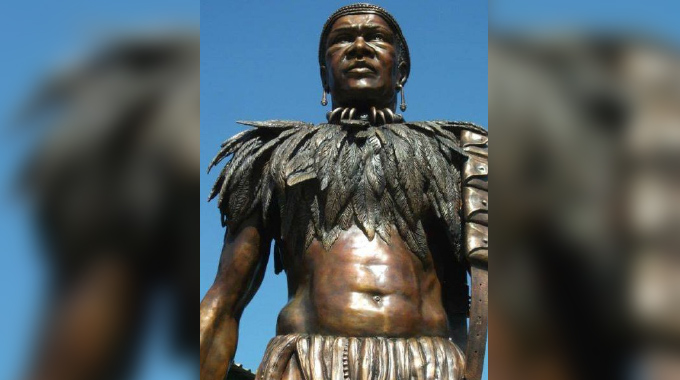
Bruce Ndlovu, Sunday Life Reporter
AT some point during the recent King Mzilikazi Indaba hosted by Zimpapers, historian Methembe Hadebe asked playwright and drama teacher Thabani Moyo to stand up.
The intermission was unexpected but necessary.
As a scholar, Hadebe acknowledged that while he could speak at length about King Mzilikazi, it was ultimately up to the country’s creatives to lift the story from history books and bring it to life on stage and screen.
“T H Moyo is one of the teachers who brings dramas to the stage,” Hadebe said.
“With that in mind, we are asking for more creative writing about the character of Mzilikazi. The king was a victim of distortion, and if there is more creative work about him, it will go a long way in reversing the damage done to his image.
“Education is important, but armed with that, we can also write books, plays and films about Mzilikazi. His legacy must not end as mere myth. The next generation needs stories they can tell about him and creative work is a step toward that goal.”
The Shaka Ilembe spark
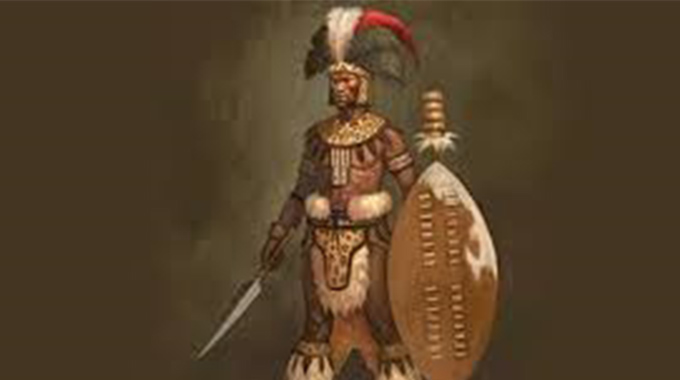
In recent weeks, King Mzilikazi has become a hot topic across Southern Africa, thanks to the hit series Shaka Ilembe, where he appeared in the later episodes of the first season.
Portrayed by Mpilo Mbatha, Mzilikazi’s military brilliance and leadership stood out so strongly that viewers are already calling for a spin-off series focused on his journey after leaving King Shaka’s court.
In Zimbabwe, this has sparked difficult questions.
Why have local creatives neglected such a blockbuster story, allowing outsiders to shape the narrative of one of the nation’s greatest historical figures?
Low-hanging fruit
The runaway success of Shaka Ilembe has highlighted the enduring appeal of historical tales centred on heroic figures whose stories remain under-explored.
“I know Shaka Ilembe has created excitement across southern Africa because people see themselves in that story. For us, our low-hanging fruit is Mzilikazi, because his story directly extends to us,” said playwright and director Raisedon Baya.
While the story is accessible to all, Baya noted that Zimbabweans may lack the confidence to produce a show of similar scale because the country has not consistently explored its own historical narratives.
This has created a knowledge gap that is difficult to bridge quickly. In contrast, South Africa had already produced a popular adaptation of King Shaka’s story years ago.
“As a creative, I believe it would be difficult for us to produce a show of that scope about Mzilikazi because we have not even done lesser stories well. We have not seen that kind of funding, so starting at the level of Shaka Ilembe would be too ambitious.
“I think we should begin with our smaller stories and build from there. Over time, once we have capable people who can tell these stories, we can then say, ‘Let’s go higher.’”
The cost of dreams
For filmmaker Lenni Sibanda, the real challenge is not creative talent — it is economic reality.
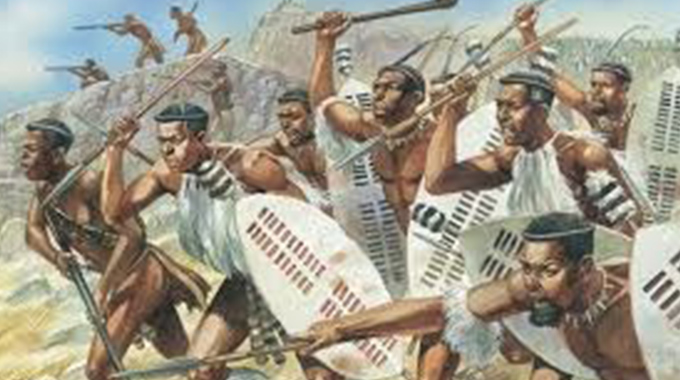
The second season of Shaka Ilembe reportedly cost over R400 million and employed more than 8 000 people. Such figures are unimaginable in Zimbabwe.
“From a filmmaker’s point of view, Shaka Ilembe was exceptional, but that is directly tied to the cost of production. A lot of money went into it. Here in Zimbabwe, creativity is not the problem — we can draw from other media that have told similar stories.
“For example, Umbiko Madlenya was exceptionally done. We could follow the same path as the original Shaka production, which started as a stage play before moving to the screen,” said Sibanda.
While the financial demands of producing an epic series are daunting, Sibanda believes the real killer of dreams is the lack of unity among creatives — many of whom seem focused on individual gain.
“We do not have financing models that can elevate our productions to international standards. The real issue is that people are failing to collaborate and co-produce.
“Film money can come from anywhere — doctors, lawyers, businesspeople — but only if we unite and give our cause the gravitas that attracts investment. Look at the Blaxploitation films made by African Americans in the 1970s. They were funded by local communities because major studios would not support them. We can do the same here.”
A story too great to tame?
Playwright Thabani Moyo agrees that dramatising King Mzilikazi’s life is a monumental task.
“The major obstacle is the sheer scope of the story. Anyone attempting to dramatise Mzilikazi will need substantial resources. Even for a theatre production, you would need top-tier actors, expensive costumes, and a high-quality set.
That requires serious investment,” said Moyo.
Moyo noted that the idea of bringing Mzilikazi’s story to life has been considered for years — even during the time of the late uKhulu uCont Mhlanga.
“The sources are there — oral histories, written texts and more. But the challenge is finding the resources and qualified people who can write the story properly for stage or screen.”
He added that artistes often tread carefully when portraying monumental figures like Mzilikazi.
“A fictional story is possible, but the first challenge is acknowledging the weight of who you are portraying. Mzilikazi is a symbol to his people and that makes artistes fearful of getting it wrong. You do not want to produce something that feels half-done or unconvincing. The story must honour both the man and his legacy.”
Others believe the sheer breadth of Mzilikazi’s life — from his trek from KwaZulu-Natal to Bulawayo — makes it one of the most difficult tales to adapt.
Rewriting history
Despite these challenges, historians like Methembe Hadebe insist that retelling Mzilikazi’s story is urgent.
Colonial narratives painted him as a bloodthirsty dictator — a distortion designed to justify white settler rule and diminish the Ndebele people.
“If a leader is portrayed as a killer and dictator, naturally his people are labelled the same,” Hadebe said.
“That literature dominated because it served colonial interests. Scholars have worked hard to correct those lies, but now it is up to novelists, playwrights, and filmmakers to carry the baton.”
For Zimbabwe’s creatives, the task is clear but daunting: resurrect the king — not just for the stage or screen, but for the generations who deserve to know him beyond colonial myth.


 Bongani Ndlovu