Online Reporter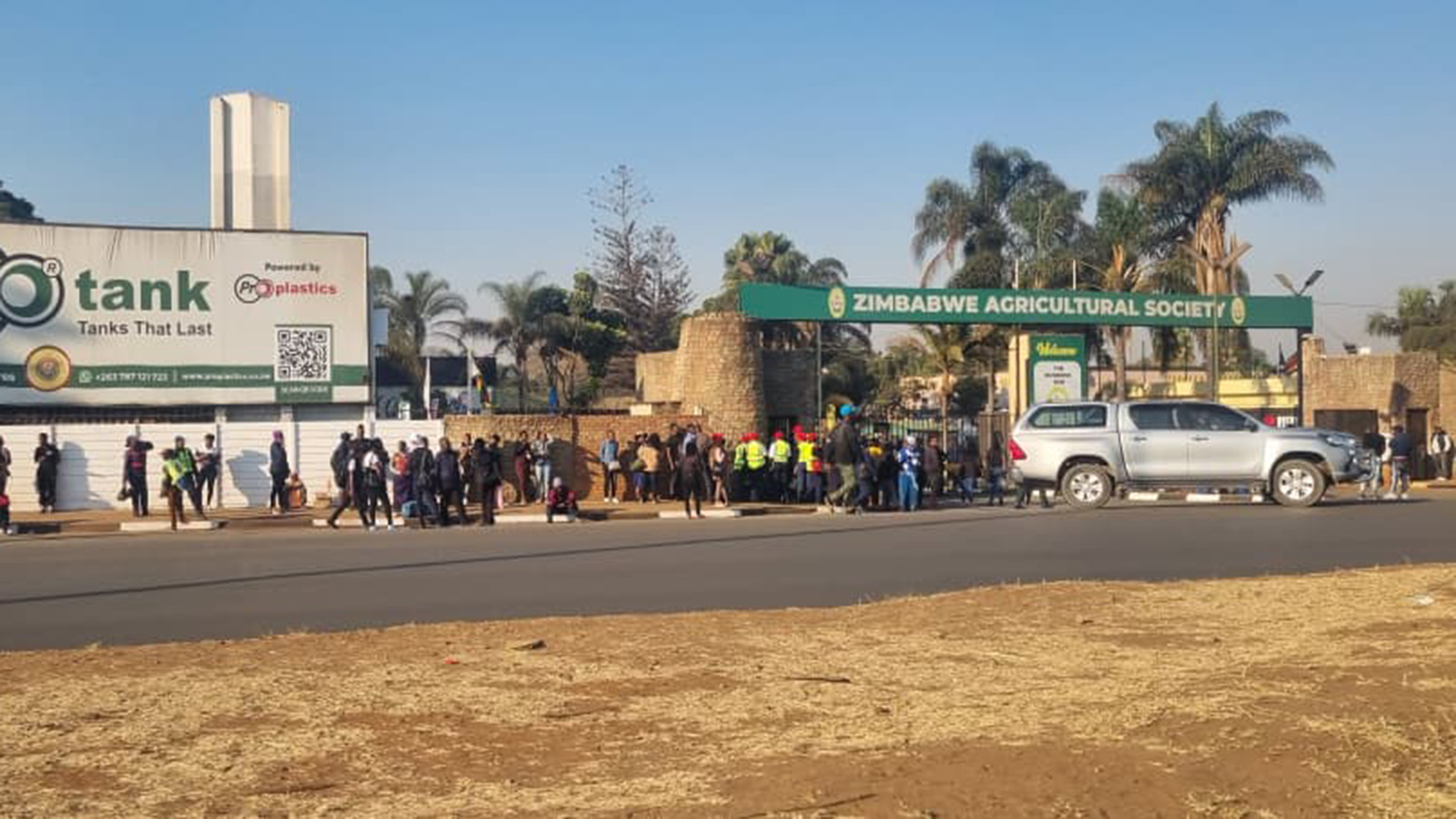
THE Zimbabwe Agricultural Show has seen many changes and significant growth since the first group of farmers decided to show off the best of their crops and livestock in the middle 1890s.
However, if it is to be something more than just a pleasant day out for city folk, it must retain that core of showing what the best farmers can and are doing.
This week the 115th edition in the 130-year history of the show organisation has its gates open, and its expecting a large number of people to come and be entertained and have a good family day out. But the core is still the farmers.
The show has been building up a formal structure that ensures this central core is enhanced and that this will work in the new Zimbabwe after the land reform programme and the vast increase in the number of farmers interested in pushing hard the quality of their crops and their livestock.
In the run-up to the national show in Harare there are now many district and provincial shows, with the best entries moving up the ladder so that the very best can be brought to Harare with 499 entries of livestock and 1 636 entries for agri-produce from 112 farmers, the best farmers.
This creation of a structured hierarchy allows every farmer, who is fanatical about quality, to start with exhibitions at their local shows and then be able, as they win and show that they are in the top groups, to move all the way to Harare.
The range of trophies and awards for farmers built up over many decades shows just how important the farming world finds recognising the best.
The best tobacco and cotton farmers have been submitting their entries for these two critical cash crops as part of the process of building up quality. We like to talk about record crops in terms of quantity, but that quantity and the new records in the amount of tobacco leaf that are cured each year has to be backed by every rising quality.
This is important as tobacco and cotton are largely export crops and foreign buyers have a lot of choice.
They will come to Zimbabwe and pay decent prices if the quality is good and the supply chains are consistent, but if we are selling junk then we are wasting our time.
One area where the show probably needs to continue building up exhibits is in specialised processed foods.
In the very early days we had, for example, farmers who made their own cheeses and brought the best to the show, and sold them to the urban grocers who were always looking for something good.
A lot of this became industrialised in later decades and the intense rivalry that used to exist disappeared into monopolistic blandness, but there would appear to be new opportunities arising with the Government itself having already helped spark off new rural industries in food processing.
We have also had some strong efforts to build up the range of traditional foods, and it would now seem possible for some adventurous businesses in some farming areas to start generating specialist regional products. Here a show would provide the feedback and concentrate the drive for quality.
From its very modest beginnings in the 1890s, the show has also stressed the need for farmers, urban people and businesses to connect. Farmers need markets and there are a great many businesses who rely on farmers as customers, and as suppliers of their raw materials. No one is an island in the business world: we all need each other.
This is where the rest of the exhibitors come in. The number has grown to record levels this year with 505 ready by the time the gates opened yesterday and up to 75 more able to come in at the last minute.
With the stress on building bridges between manufacturers, suppliers, agri-business and farmers, this side of the show has its own importance, and is not just a “trade fair lite”.
The Zimbabwe Agricultural Show had shown a danger of moving towards being a sort of upscale flea market, but the renewed thrust on farmers arrested that trend and brought the show back to its origins. That allows all the fun and entertainment that a show generates to be grounded on firm foundations.
The background business meetings that have been building up in importance over the last few years are also orientated around the central core, of how we can produce better food, better crops, better livestock and ensure that farmers are involved and are profitable.
This requires the leaders of the farming organisations as well as business leaders and major industrialists to all be involved.
Agriculture, in terms of the percentage of the population involved, is easily the most important economic sector and it is absolutely essential that if Zimbabwe is to be an upper middle income society that farmers are in that upper middle income group.
Mining might produce more value and industry is building up, but without the inclusion of farmers the numbers are too small to give the high average incomes we need to meet Vision 2030.
This increase in farming and rural incomes needs more than just increases in volumes. It also needs increases in quality and in the range of crops and foods we produce, and it is here that the future of the agricultural shows, including the main national show in Harare, must lie.
This will give farmers a wider range of income streams, and far more diversified businesses along with community efforts and regional specialties.
The Zimbabwe Agricultural Show is on the right track and now we must all back its efforts to retain its core reason for existence.



 Online Reporter