Nyasha Simbisai in Mutare
THE Ministry of Agriculture, Mechanisation and Water Resources Development’s top leadership is in Mutare for a five-day strategic planning workshop to craft coordinated strategies to safeguard food security, livelihoods and economic growth amid an anticipated El Niño-induced drought.
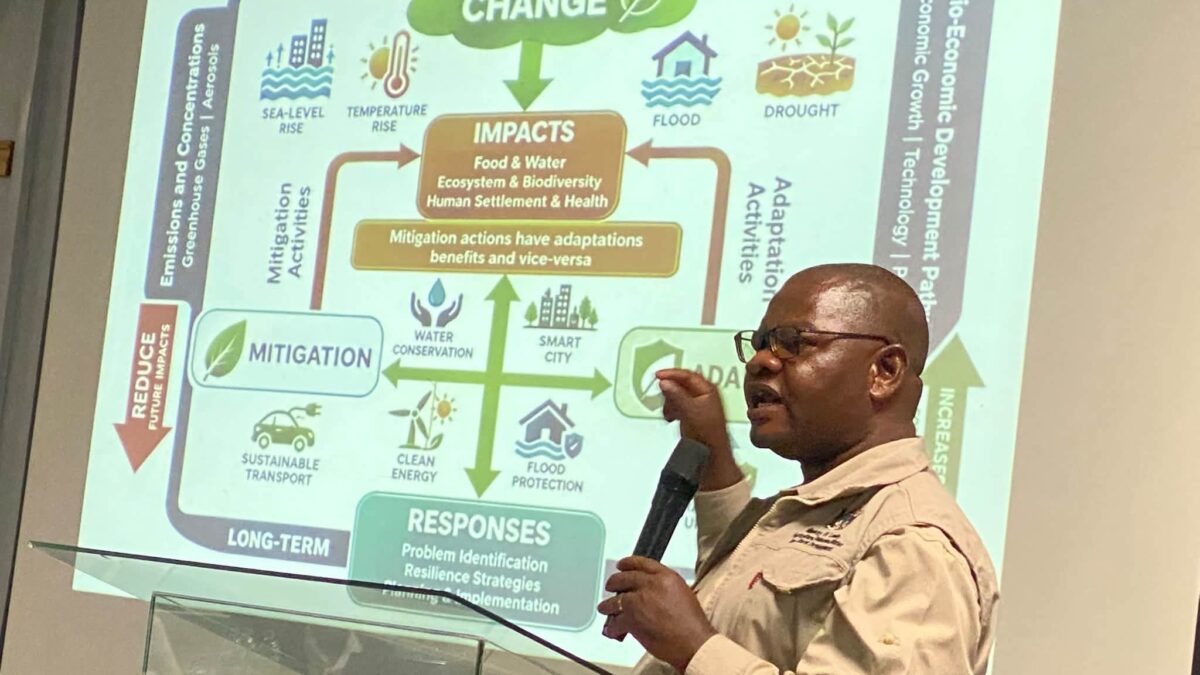
The workshop, which started on Monday and ends on Friday, brings together chief directors, directors and deputy directors from across the ministry to strengthen institutional readiness, disaster risk reduction and climate resilience ahead of the 2026/27 summer cropping season.
Officially opening the workshop on Monday, Permanent Secretary Professor Obert Jiri said the ministry was prioritising proactive planning, coordinated response mechanisms and sustainable recovery strategies to minimise the impact of anticipated climatic shocks.
“Our objective is on awareness, action, response, coordination and our post-El Niño recovery mechanisms so that we reduce the impacts of El Niño on food security, livelihoods and economic development,” he said.
Prof Jiri said the ministry’s leadership must move beyond short-term drought responses and establish lasting mechanisms capable of protecting agricultural production and rural communities against recurring climate-related disasters.
“We must also align with instruments that promote disaster risk reduction. We also must promote instruments that build resilience,” he said.
He emphasised that effective drought preparedness required building strong institutions and sustainable systems that would enable communities to withstand future shocks, including El Niño-induced droughts and global disruptions affecting agricultural markets.
Prof Jiri said the current generation of agricultural leaders had a responsibility to establish resilient systems that would benefit future generations while guaranteeing adequate food supplies during periods of climatic uncertainty.
He underscored the importance of aligning departmental strategies with Vision 2030, the National Development Strategy 2 (NDS2), the Agriculture, Food Systems and Rural Transformation Strategy 2 (AFSRTS2), and the African union Agenda 2063.
These frameworks, Prof Jiri said must guide strategic decisions, resource allocation and implementation of agricultural programmes to ensure coordinated national development.
He said implementation will leverage capabilities that have been developed and stressed the importance of maximising existing institutional strengths to accelerate delivery.
Prof Jiri also challenged senior officials to appreciate the implications of regional economic integration, particularly the Common Market for Eastern and Southern Africa (COMESA), on agricultural production, trade and market development.
“We must be familiar with what COMESA entails. COMESA talks about our markets. Regional market developments and economic shocks affect multiple departments, making collective planning and cross-sectoral coordination critical to agricultural resilience,” he said.
The Permanent Secretary further called for innovative thinking, teamwork and leadership accountability and said saying effective implementation depended on departmental alignment, institutional cooperation and empowering personnel responsible for delivering agricultural programmes.
The workshop comes as the Ministry intensifies implementation of its six-pillar drought mitigation strategy, encompassing strategic grain reserves, accelerated climate-smart production, integrated agricultural financing, livestock protection, strategic imports and coordinated early warning systems.
These interventions are designed to strengthen national preparedness, protect agricultural productivity and sustain rural livelihoods against anticipated rainfall deficits and rising temperatures.
The strategic planning meeting is expected to consolidate departmental priorities, strengthen implementation frameworks and sharpen the Ministry’s collective response to climate-related threats.