Online Reporter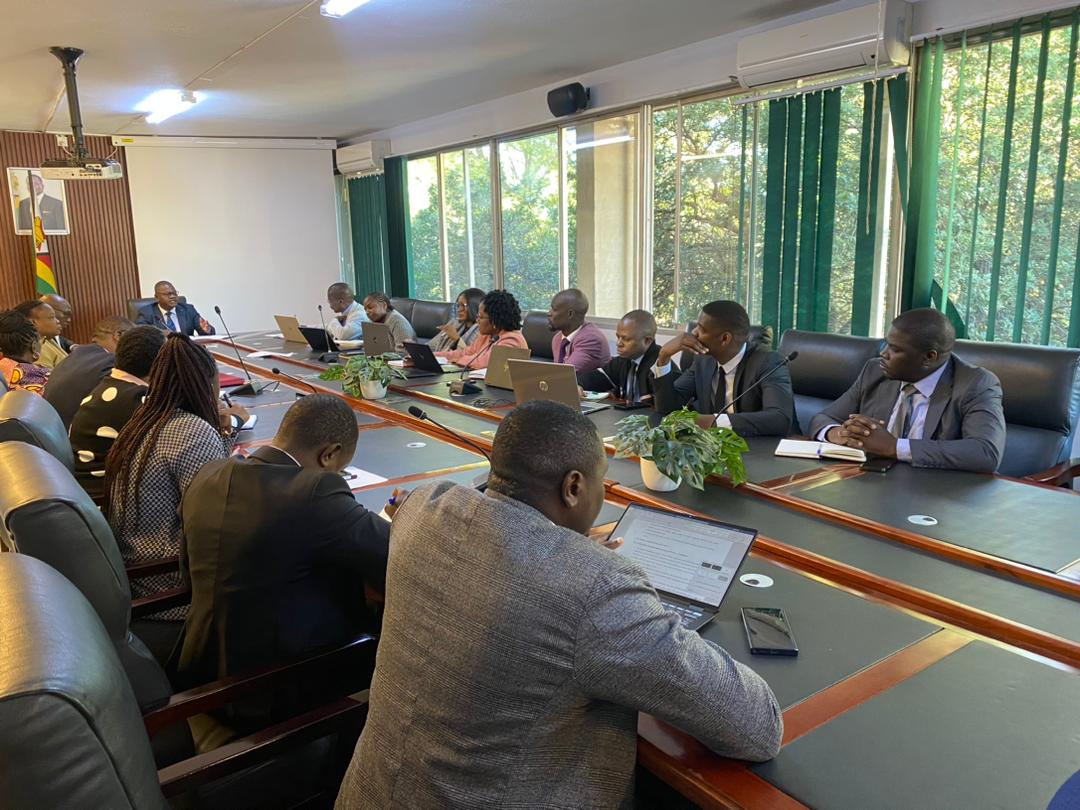
Nqobile Bhebhe [email protected]
Permanent Secretary for Agriculture, Mechanisation and Water Resources Development, Professor Obert Jiri has said the ministry is targeting increasing national food security to 90 percent by 2030 from 85 percent in 2025 through climate-smart agriculture and nutrition-sensitive interventions, as Government intensifies efforts to build resilience against climate change and transform rural livelihoods.

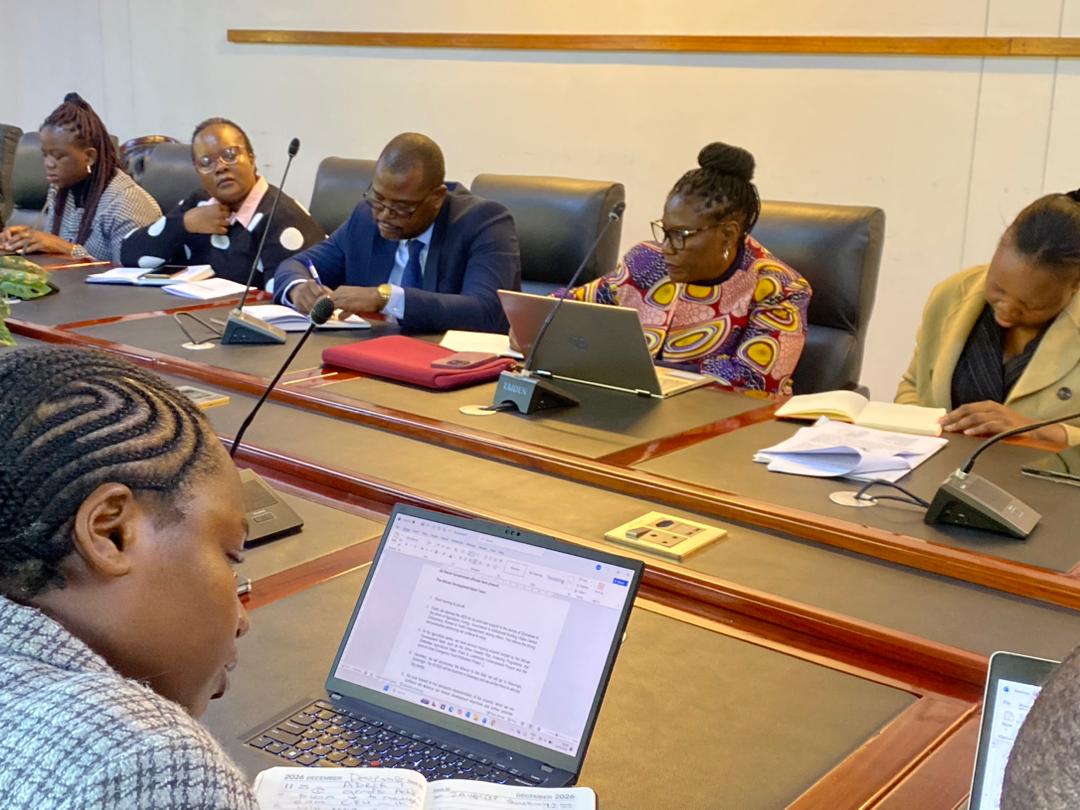
Prof Jiri said this during a courtesy call by an African Development Bank (AfDB) mission team for the Zimbabwe Agriculture Climate Resilience and Vulnerability Reduction Project (Zim-ACRES) and the Zimbabwe Agriculture Value Chain and Livelihoods Enhancement Project (ZAVaCLEP).
The visit comes as Zimbabwe deepens its partnership with the AfDB, which has committed significant financial resources towards strengthening agricultural resilience, food security and value chain development.
He expressed gratitude for the Bank’s continued support to Zimbabwe’s agriculture sector, highlighting the latest grant financing approved for Zim-ACRES.
“I wish to express the Ministry’s sincere gratitude to the African Development Bank for the grant financing approved for the Zimbabwe Agriculture Climate Resilience and Vulnerability Reduction Project worth US$24,9 million. This support comes at a critical time as our rural communities recover from climatic shocks, particularly the impacts of the 2023/2024 El Niño induced drought,” Prof Jiri said.
He noted that the AfDB has remained a key development partner through several strategic interventions aimed at boosting agricultural productivity and resilience.
“It is not only this grant – the Bank has been supporting the agricultural sector for a long time. The Ministry has noted the Bank’s support in the following projects: Zimbabwe Emergence Food Production Project (ZEFPP), which has availed US$25,5 million, and ZAVaCLEP, which has availed US$10 million to the agriculture sector. These interventions are already strengthening our resilience and value chain development efforts.”
The Zim-ACRES project comprises four components: reducing drought-induced poverty and distress livestock migration through climate-resilient practices and nutrition-sensitive support; strengthening agricultural input supply chains and farmer capacity; enhancing institutional capacity, knowledge management, policy support, monitoring and evaluation; and project management and coordination.
He said food security remains one of the ministry’s key priorities under the strategy.
“As a Ministry, we are seized with raising national food security from 85 percent in 2025 to 90 percent by 2030. We are driving this through climate-smart production systems and nutrition-sensitive interventions, and we see Component 1 of Zim-ACRES as a direct complement to this national effort.”
The Zim-ACRES project will be implemented in Matabeleland South, Masvingo and Bulawayo Metropolitan provinces.