

 Peter Tanyanyiwa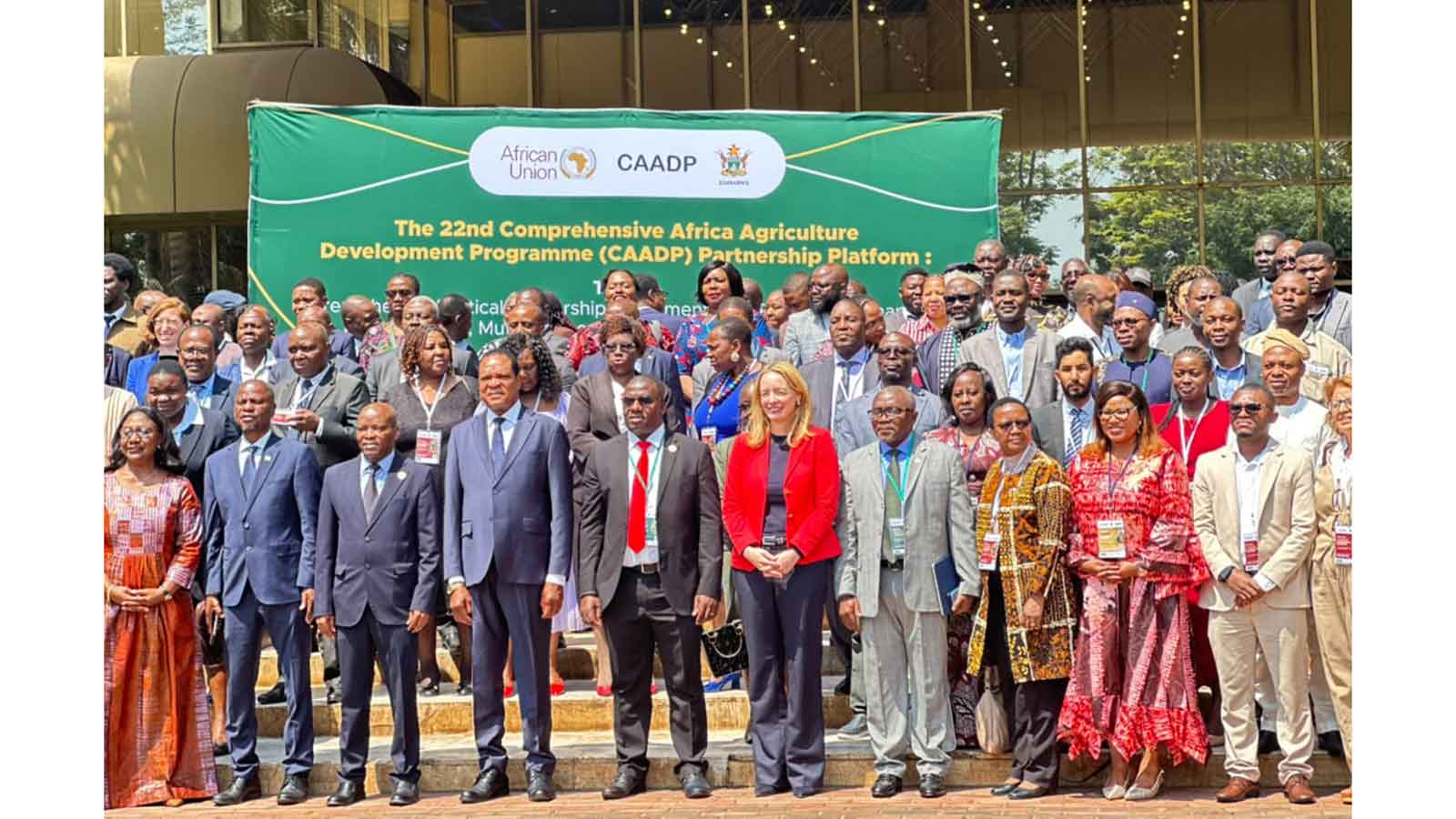
Herald Reporter
Agroecology is emerging as a potentially important pathway for translating Africa’s new agricultural development blueprint into practical results as the 22nd Comprehensive Africa Agriculture Development Programme (CAADP) Partnership Platform enters its third day in Harare.
Agroecology is the application of ecological and social principles to farm and design sustainable, nature-based food systems.
The four-day continental meeting, which runs from September 15 to 18, is bringing together African governments, regional economic communities, technical institutions, development partners and other stakeholders to work on implementation of the Kampala Declaration and the CAADP Strategy and Action Plan 2026–2035.
At the Harare meeting, representatives from 25 countries have been taking part in discussions aimed at shifting the continental agricultural agenda from policy commitments to implementation.
The emphasis on delivery has been reinforced by AUDA-NEPAD, which says the meeting is intended to connect national and regional priorities with financing, technical assistance, innovation and investment, with implementation milestones to be followed through existing accountability mechanisms.
But agricultural stakeholders say the question is not only how much Africa invests in agriculture, but also what type of farming systems receive that investment and how farmers themselves participate in shaping them.
Programme Coordinator for Food Systems at the Alliance for Food Sovereignty in Africa (AFSA), Andrew Adem, said agroecology offered a practical framework through which the six strategic objectives of the new CAADP agenda could be implemented.
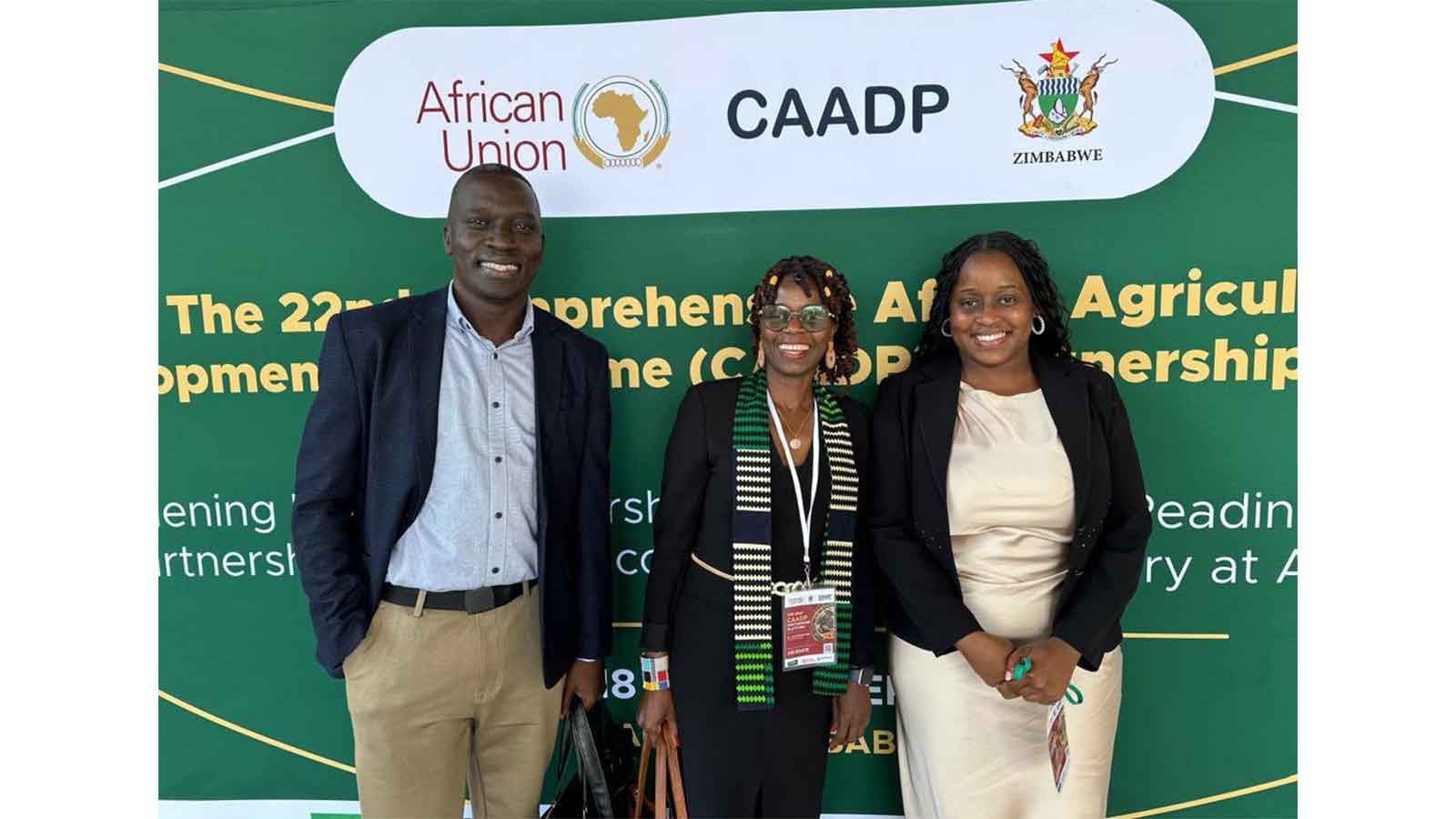
“The issue now is implementation. We need to make sure that agroecology is integrated across the six objectives because it brings together production, people, science and the environment,” Mr Adem said.
He said Africa should learn from the implementation of the previous Malabo Declaration, noting that the continent had not achieved all its targets.
“We should not simply continue with business as usual. If we use agroecology as a pathway, we have an opportunity to build food systems that are resilient and centred on the people who actually produce the food,” he said.
The argument is reflected in AFSA’s 2025 policy brief, which says the new CAADP framework recognises sustainability and climate resilience but does not explicitly prioritise agroecology or give smallholder farmers and civil society a formal advisory role in governance.
The policy brief argues that agroecology needs to be reflected in National and Regional Agrifood Systems Investment Plans, backed by measurable targets, financing and appropriate indicators.
However, the issue is also being viewed from the perspective of implementation on the ground.
PELUM Zimbabwe programmes co-ordinator, Ms Valarie Nengomasha, said the success of the new CAADP framework would depend on whether farmers, women and young people were brought into implementation.
“We cannot have implementation taking place without the people who are actually producing food,” she said.
“Farmers, women and young people have to be part of the process and they need to understand the strategy so that implementation is not something imposed from above.”
Dr Linda Kabaira of SCOPE Zimbabwe and Zimbabwe CAADP coordinator, said the challenge was ensuring that the continental framework could be translated into local action.
“Africa has developed very strong frameworks and plans. The gap now is implementation. We need to see how these commitments are going to reach the communities and farmers who are expected to implement them,” Dr Kabaira said.
She said the national and regional investment plans needed clearer mechanisms for involving communities.
“If the process remains top-down, it becomes difficult to localise and contextualise agroecology. We need a process that is usable by the people and for the people,” she said.



 Online Reporter
 daniel chigunwe